
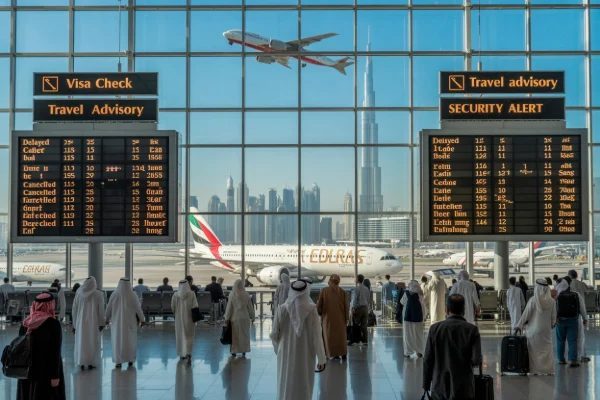
Fatima pressed refresh on her airline app for the fifth time in ten minutes, watching her weekend getaway to Dubai dissolve before her eyes. The notification was stark and unforgiving: “Flight cancelled due to airspace restrictions.” Around her in the busy London airport terminal, dozens of other travelers stared at their phones with the same mixture of confusion and frustration.

“Excuse me, do you know what’s happening?” asked an elderly man clutching a boarding pass for Beirut. Fatima shook her head, but she was about to find out that their cancelled flights were just the beginning of a massive disruption reshaping travel across the Middle East.
The ripple effects of escalating tensions in the region weren’t just making headlines—they were grounding planes, closing borders, and forcing millions of travelers to completely rethink their plans.

When Conflict Reaches 30,000 Feet
The latest surge in Middle East tensions has triggered an unprecedented wave of travel restrictions that’s affecting everyone from business travelers to families visiting relatives. Multiple countries have closed their airspace to civilian aircraft, while others have issued sweeping travel advisories that effectively shut down tourism to entire regions.
What makes this situation particularly challenging is how quickly things are changing. Airlines are scrambling to reroute flights, often adding hours to journey times or cancelling routes entirely when safe passage becomes impossible.

The safety of passengers and crew always comes first, but we’re dealing with a situation that’s evolving by the hour. Routes that were safe yesterday might not be today.
— Captain James Mitchell, International Airline Pilots Association
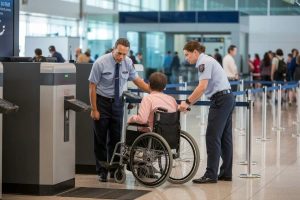
The human cost goes far beyond inconvenience. Thousands of people are stranded in airports, separated from family members, or forced to abandon long-planned trips. Business deals are falling through, and the tourism industry—still recovering from pandemic losses—is taking another devastating hit.
Where You Can’t Go Right Now
The current restrictions are complex and constantly shifting, but here’s what travelers need to know about the most affected areas:

| Country/Region | Current Status | Expected Duration |
|---|---|---|
| Northern Israel/Lebanon Border | Complete airspace closure | Indefinite |
| Eastern Syria | No civilian flights | Under review weekly |
| Parts of Iraq | Limited commercial aviation | Situation dependent |
| Iran | Restricted entry/exit | Ongoing assessment |
| Yemen | No commercial flights | Long-term closure |
Major airlines have suspended or significantly reduced services to the region. Emirates, Qatar Airways, and Turkish Airlines—typically major connectors for Middle East travel—have cancelled hundreds of flights and are offering rebooking options with no penalty fees.
The visa situation is equally complicated. Several countries have temporarily suspended visa processing, while others have introduced emergency restrictions that can change within hours.
- UAE has suspended tourist visa processing for certain nationalities
- Jordan has implemented additional security screening requirements
- Egypt is requiring extra documentation for travelers from affected regions
- Saudi Arabia has temporarily restricted entry through certain border crossings
- Kuwait and Bahrain have enhanced security measures at all entry points
We’re seeing visa policies change faster than we can update our systems. Travelers need to check requirements literally the day before they travel, not weeks in advance like usual.
— Rebecca Torres, Middle East Travel Specialists
The Domino Effect on Global Travel
The disruptions extend far beyond the Middle East itself. European airports are overwhelmed with stranded passengers, while Asian routes that typically connect through Middle Eastern hubs are experiencing massive delays.
Flight prices to alternative destinations have skyrocketed as demand shifts. A trip to Turkey or Morocco—popular alternatives to Middle Eastern destinations—now costs 40-60% more than just two weeks ago.
Business travel has been particularly hard hit. Many multinational companies have implemented blanket travel bans to the entire region, regardless of specific local conditions. This is affecting everything from oil negotiations to tech conferences that were scheduled for cities like Dubai and Doha.
Companies are playing it extremely safe. Even if a specific city seems secure, the broader regional instability makes corporate travel departments nervous about approving any trips.
— David Park, Corporate Travel Management
The cruise industry is also adapting rapidly. Several major cruise lines have cancelled Middle Eastern itineraries entirely, while others are rerouting ships to Mediterranean or Asian ports instead.
What This Means for Your Travel Plans
If you have upcoming travel to or through the Middle East, here’s what you need to do immediately:
- Contact your airline directly—don’t rely on apps or websites for the latest information
- Check if your travel insurance covers cancellations due to political instability
- Consider rebooking to alternative destinations rather than waiting for restrictions to lift
- Keep all receipts if you’re stranded—many airlines will reimburse reasonable accommodation and meal expenses
- Sign up for State Department travel alerts if you’re a US citizen, or equivalent services for other nationalities
For travelers with flexible plans, this might be an opportunity to explore destinations you hadn’t considered. Travel agents report increased bookings to Central Asia, the Caucasus region, and even domestic destinations as people redirect their wanderlust.
Silver lining thinking helps, but we understand people are disappointed and stressed. We’re working around the clock to find alternatives that give travelers meaningful experiences even when their original plans fall through.
— Maria Gonzalez, Adventure Travel Trade Association
The situation is particularly challenging for people with family connections to the region. Many are facing impossible choices between personal safety and being with loved ones during difficult times.
Looking ahead, experts predict that even when immediate tensions ease, it could take months for normal flight schedules and visa processing to resume. The travel industry’s confidence in the region has been shaken, and rebuilding those connections takes time.
For now, flexibility and patience are essential. The travelers who adapt quickly and keep multiple backup options are the ones managing to salvage their plans. Those holding onto original bookings in hopes that restrictions will lift are often left disappointed.
The Middle East will undoubtedly welcome travelers again, but for the foreseeable future, getting there safely requires careful planning, constant updates, and realistic expectations about what’s possible in an increasingly uncertain world.
FAQs
Will airlines refund tickets for cancelled Middle East flights?
Yes, most major airlines are offering full refunds or free rebooking options for flights cancelled due to airspace closures or safety concerns.
How can I stay updated on changing travel restrictions?
Check your government’s travel advisory website daily, sign up for airline notifications, and follow embassy social media accounts for real-time updates.
Are connecting flights through Middle Eastern hubs safe?
Major hub airports like Dubai and Doha continue operating, but flight schedules are heavily disrupted. Allow extra time and consider alternative routing.
Should I buy travel insurance for future Middle East trips?
Absolutely, but read the fine print carefully. Many policies exclude coverage for travel to areas with existing government advisories.
When might normal travel resume to affected areas?
This depends entirely on political developments. Even after tensions ease, rebuilding flight schedules and visa processing typically takes 2-6 months.
Can I get compensation for accommodation if I’m stranded?
EU regulations require airlines to provide accommodation for stranded passengers, and many other airlines offer similar policies during extraordinary circumstances like airspace closures.

Leave a Reply