
Chen Wei-ming adjusted his headset and glanced at the massive Singapore skyline through the conference room window. As the lead coordinator for Taiwan’s tourism board, he’d been planning travel exhibitions for over a decade, but something about this upcoming NATAS Travel Fair felt different.

“This isn’t just another booth with brochures,” he told his team during their morning briefing. “We’re creating an experience that will make visitors feel like they’ve already stepped foot in Taiwan before they even book their flight.”
His excitement was infectious, and for good reason. Taiwan is preparing to make its biggest splash yet at the 2026 NATAS Travel Fair in Singapore, and the plans they’re unveiling promise to transform how Southeast Asian travelers discover the island nation.

Taiwan’s Bold Vision for NATAS 2026
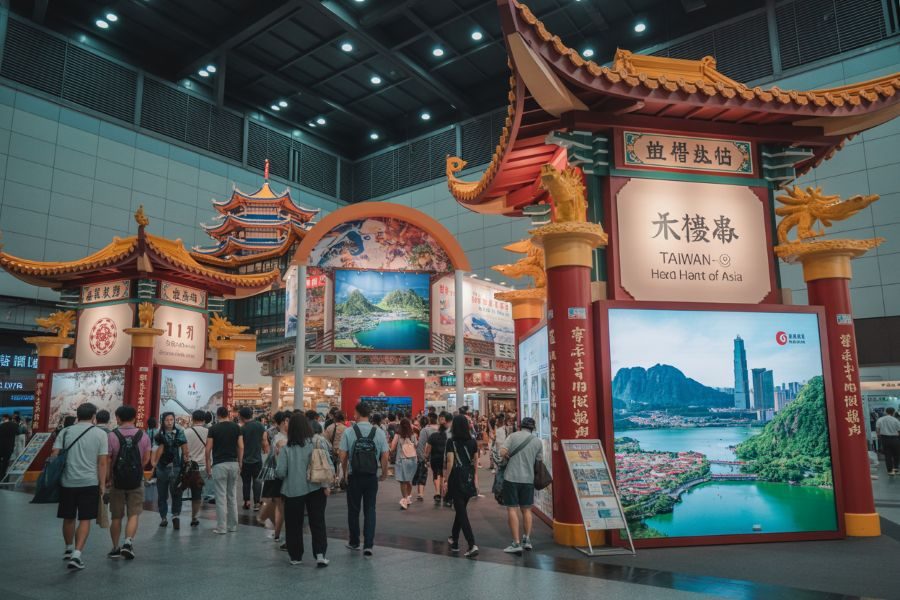
The NATAS Travel Fair has long been Southeast Asia’s premier travel exhibition, drawing hundreds of thousands of visitors annually to Singapore. For 2026, Taiwan isn’t content with simply participating – they’re planning to dominate the conversation with an immersive pavilion experience that goes far beyond traditional travel marketing.
Taiwan’s tourism officials are designing a multi-sensory pavilion that will transport visitors directly into the island’s most iconic experiences. Think virtual reality temple visits, interactive night market simulations, and even a miniature hot spring experience right on the exhibition floor.

We want people to smell the stinky tofu, hear the bustling sounds of Shilin Night Market, and feel the warmth of Taiwanese hospitality before they even consider booking their trip.
— Lin Mei-chen, Taiwan Tourism Bureau Director

But the pavilion is just one piece of Taiwan’s comprehensive strategy. They’re also launching an intensive trade workshop program designed to strengthen partnerships with Southeast Asian travel agencies and tour operators.
What Makes This Year Different
Taiwan’s 2026 NATAS approach represents a significant shift from previous years. Instead of focusing solely on popular destinations like Taipei 101 or Sun Moon Lake, they’re showcasing Taiwan’s hidden gems and emerging travel trends.

The immersive pavilion will feature several key zones:
- Indigenous Culture Corner: Interactive displays featuring Taiwan’s 16 recognized indigenous tribes
- Culinary Journey Station: Live cooking demonstrations and tasting sessions
- Adventure Taiwan Zone: Virtual reality experiences of hiking, cycling, and water sports
- Digital Nomad Hub: Showcasing Taiwan’s growing appeal for remote workers
- Sustainable Tourism Display: Highlighting eco-friendly travel options and green initiatives
The trade workshop component is equally ambitious. Taiwan is bringing over 50 tourism industry professionals to conduct one-on-one sessions with regional travel partners.
| Workshop Focus Areas | Duration | Target Participants |
|---|---|---|
| Custom Itinerary Planning | 2 hours | Travel agents & tour operators |
| Group Travel Packages | 1.5 hours | Corporate travel planners |
| Digital Marketing Collaboration | 1 hour | Online travel platforms |
| Incentive Travel Programs | 2 hours | MICE organizers |
Singapore and Southeast Asia represent our fastest-growing source markets. We’re not just selling destinations anymore – we’re building long-term partnerships that benefit travelers and businesses on both sides.
— James Wu, International Marketing Manager
Why Southeast Asian Travelers Are Choosing Taiwan
The timing of Taiwan’s aggressive NATAS push couldn’t be better. Recent tourism data shows that Southeast Asian visitors to Taiwan increased by 45% in 2024, with Singapore leading the charge.
Several factors are driving this growth. Taiwan’s proximity makes it an ideal weekend getaway destination. The island’s diverse attractions – from bustling cities to pristine mountains – appeal to different travel styles. Plus, Taiwan’s reputation for safety, excellent healthcare, and English-friendly environment resonates strongly with Singapore-based travelers.
Food tourism is another major draw. Taiwan’s night markets, bubble tea culture, and fusion cuisine scene have gained massive popularity across Southeast Asia, partly thanks to social media influence and food blogging trends.
We’re seeing travelers who come specifically for the food scene and end up falling in love with everything else Taiwan offers. It’s becoming a gateway drug to deeper cultural exploration.
— Dr. Sarah Lim, Tourism Research Analyst
The digital nomad trend is also working in Taiwan’s favor. With excellent internet infrastructure, affordable living costs, and a thriving startup ecosystem, Taiwan is positioning itself as a prime destination for remote workers and digital entrepreneurs from Singapore and beyond.
Industry Impact and Future Implications
Taiwan’s comprehensive NATAS 2026 strategy reflects broader changes in how destinations market themselves in the post-pandemic travel landscape. The emphasis on immersive experiences and direct industry partnerships signals a move away from generic destination promotion toward targeted, relationship-driven marketing.
Travel industry professionals are taking notice. The workshop component, in particular, addresses a real need for more specialized knowledge about Taiwan’s diverse offerings. Many Southeast Asian travel agents have historically focused on Taiwan’s major cities, missing opportunities to promote unique experiences in smaller towns and rural areas.
The pavilion’s technology integration also sets a new standard for travel fair presentations. Other destinations will likely need to up their game to compete for attention in an increasingly crowded marketplace.
Taiwan is showing us the future of travel marketing. It’s not enough to have beautiful brochures anymore. Travelers want to experience destinations before they commit, and technology makes that possible.
— Michael Chen, NATAS Advisory Board Member
For Singapore-based travelers, Taiwan’s enhanced presence at NATAS 2026 means more options, better deals, and easier trip planning. The direct partnerships being forged through the trade workshops should translate into more diverse tour packages and competitive pricing.
The ripple effects could extend beyond tourism. Stronger travel connections often lead to increased business relationships, cultural exchanges, and educational partnerships between regions.
FAQs
When is the NATAS Travel Fair 2026?
The exact dates haven’t been officially announced yet, but NATAS typically takes place in February or March each year.
Will there be special Taiwan travel deals at the fair?
Yes, Taiwan tourism partners are preparing exclusive packages and promotional offers specifically for NATAS attendees.
Can individual travelers attend the trade workshops?
The workshops are primarily designed for industry professionals, but some sessions may be open to serious group travel organizers.
What makes Taiwan’s 2026 pavilion different from previous years?
This year features much more interactive technology, including VR experiences, live demonstrations, and hands-on cultural activities rather than just static displays.
Are there any new flight routes being announced?
While not confirmed, Taiwan’s tourism push often coincides with airline announcements about expanded routes and increased frequency to key markets like Singapore.
How can travel agents get involved in the workshop program?
Travel professionals can register through the Taiwan Tourism Bureau’s official channels or contact their regional representatives for workshop participation details.

Leave a Reply