
Liam Chen stared at the gas pump display in disbelief as the numbers climbed past what he’d normally spend on groceries for a week. The 34-year-old delivery driver in Bangkok had watched fuel prices double in just three days, turning his daily route into a financial nightmare.
“I can’t keep doing this,” he muttered, pulling out his phone to text his boss about cutting his hours. Across Southeast Asia, millions of workers like Liam are facing the same impossible choice as governments scramble to manage an unprecedented energy crisis.
The Strait of Hormuz shutdown has sent shockwaves through the region’s economy, forcing countries that depend heavily on oil imports to make drastic decisions that seemed unthinkable just weeks ago.

The Crisis Hits Home Across Southeast Asia
What started as a geopolitical standoff thousands of miles away has quickly transformed into a full-blown economic emergency for Southeast Asian nations. The closure of this critical shipping route has cut off nearly 40% of the region’s oil supply, creating shortages that governments are struggling to address.
Countries across the region are implementing emergency measures that would have been political suicide under normal circumstances. Thailand announced mandatory work-from-home policies for non-essential government workers. Malaysia has restricted private vehicle use on weekdays. Indonesia is considering fuel rationing for the first time since the 1990s.

The speed at which this crisis has escalated is unlike anything we’ve seen in decades. Governments are having to choose between economic stability and basic mobility.
— Dr. Priya Sharma, Southeast Asian Economic Institute
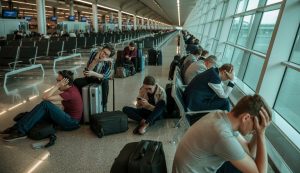
The tourism industry, already battered by years of uncertainty, faces another devastating blow. Airlines are grounding flights, hotels are closing floors, and tour operators are canceling bookings en masse.
Emergency Measures and Their Real-World Impact
The restrictions being implemented vary by country, but the pattern is clear: Southeast Asian governments are prioritizing essential services while drastically cutting non-essential fuel consumption.

| Country | Travel Restrictions | Work Hour Changes | Fuel Rationing |
|---|---|---|---|
| Thailand | Weekend driving bans | 4-day work week | Under consideration |
| Malaysia | Weekday private vehicle limits | Remote work mandates | Yes, for non-commercial |
| Indonesia | Inter-city travel permits required | Reduced government hours | Planned implementation |
| Philippines | Public transport priority lanes | Staggered work schedules | Regional pilots |
| Vietnam | Tourist area access limits | Manufacturing shift reductions | Commercial vehicles only |
These measures are hitting different sectors with varying intensity:
- Manufacturing plants are reducing shifts to conserve energy
- Delivery services are consolidating routes and limiting coverage areas
- Schools are moving to hybrid learning models to reduce transportation needs
- Shopping malls are cutting operating hours and reducing air conditioning
- Public transportation is increasing capacity while raising fares
We’re seeing a complete reshuffling of how people live and work. The question is whether these changes will stick even after the crisis ends.
— Marcus Wong, Regional Labor Economics Analyst
The Recession Warning Signs Are Everywhere
Economic indicators across the region are flashing red as the oil crisis deepens. Stock markets in Jakarta, Bangkok, and Manila have lost more than 15% of their value in the past two weeks. Currency values are plummeting as investors flee to safer assets.
Small businesses are bearing the brunt of the crisis. Restaurant owners can’t afford delivery services. Construction projects are stalling due to fuel costs. Even online businesses are struggling with shipping expenses that have tripled overnight.
The ripple effects extend far beyond transportation. Power grids are under strain as countries ration fuel for electricity generation. Some regions are experiencing rolling blackouts for the first time in years.
This isn’t just about expensive gas anymore. We’re looking at a fundamental disruption to how Southeast Asian economies operate.
— Elena Rodriguez, International Energy Policy Expert
Agricultural sectors are particularly vulnerable. Farmers can’t afford to run equipment or transport goods to market. Food prices are starting to spike as supply chains break down, raising fears about food security in urban areas.
What Comes Next for the Region
Government officials are working around the clock to secure alternative fuel sources, but options are limited and expensive. Emergency reserves are being tapped, but these typically last only 60-90 days under normal consumption levels.
The social implications are becoming increasingly serious. Public protests have erupted in several cities as people struggle with basic mobility. Healthcare workers are having trouble getting to hospitals. Emergency services are consolidating to reduce fuel consumption.
Some positive changes are emerging from the crisis. Bicycle sales have surged 300% in major cities. Companies are discovering that remote work can be more productive than expected. Communities are organizing carpooling networks and local support systems.
Crises often force innovations that we should have implemented years ago. The challenge is maintaining the beneficial changes while recovering economic stability.
— Dr. Ahmed Hassan, Crisis Management Specialist
The long-term economic outlook depends heavily on how quickly the Strait of Hormuz situation resolves. Each additional week of closure pushes the region deeper into recession territory. Recovery could take years, even after normal oil flows resume.
For workers like Liam in Bangkok, the immediate future means adapting to a new reality where every trip requires careful planning and every mile has a price that hits directly in the wallet. The question isn’t whether Southeast Asia will weather this crisis, but how fundamentally different the region will look when it emerges on the other side.
FAQs
How long can Southeast Asian countries survive with current oil reserves?
Most countries maintain 60-90 days of emergency reserves, but current consumption reduction measures could extend this to 4-6 months.
Are there alternative oil suppliers available to the region?
Yes, but alternative routes are more expensive and have limited capacity, making them unable to fully replace Strait of Hormuz supplies.
Will fuel rationing affect tourists visiting Southeast Asia?
Tourist areas are generally prioritized, but expect higher transportation costs and limited availability of tours and activities.
How are airlines responding to the fuel crisis?
Airlines are reducing flight frequencies, consolidating routes, and passing increased fuel costs to passengers through higher fares.
Could this crisis lead to permanent changes in work patterns?
Many companies are discovering benefits of remote work and reduced travel, suggesting some changes may persist beyond the crisis.
What can individuals do to help during this crisis?
Reduce unnecessary travel, use public transportation when possible, support local businesses, and participate in community carpooling initiatives.

Leave a Reply