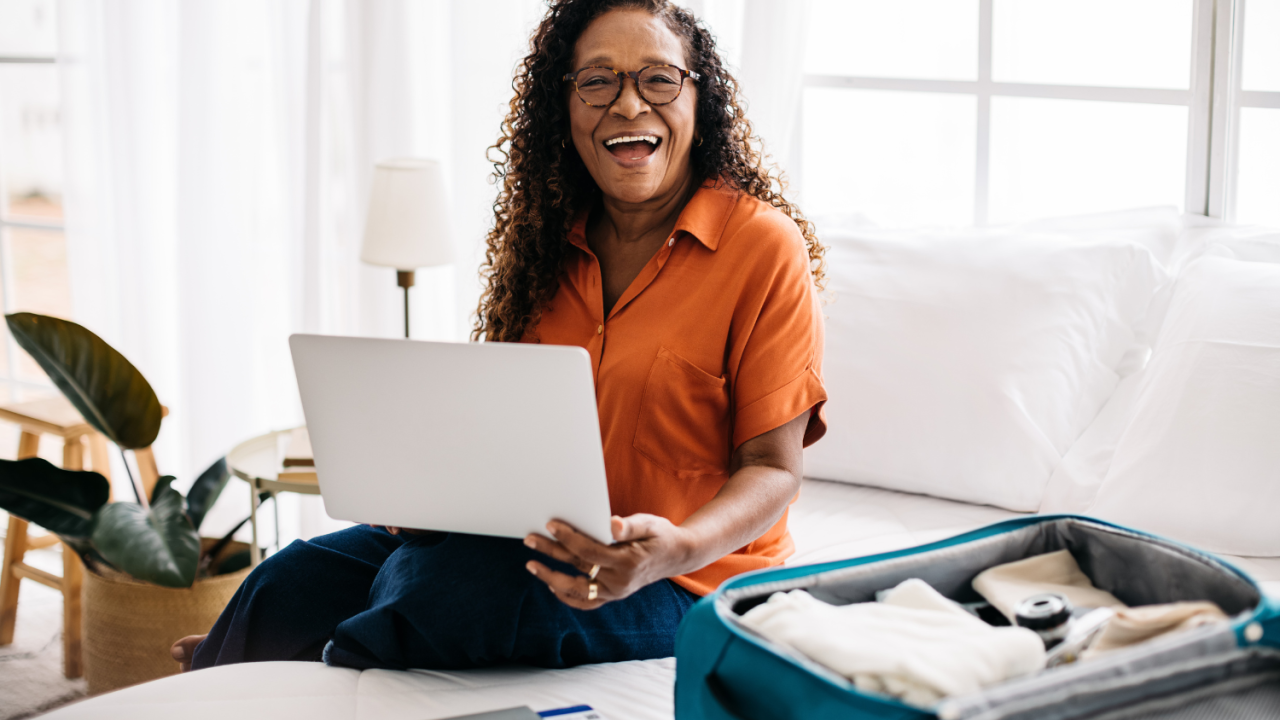
At 3 AM in a cramped hostel room in Prague, Zara found herself wide awake, listening to the snores of five strangers. Her flight had been delayed, her carefully planned itinerary was already falling apart, and she was questioning every decision that led her to this moment. This was supposed to be her big solo adventure—her first time traveling completely alone after years of group trips and guided tours.
But as she lay there in the darkness, something unexpected happened. Instead of panic, she felt a strange sense of calm wash over her. For the first time in months, maybe years, she was exactly where she chose to be, with no one else’s expectations weighing on her shoulders.
That moment marked the beginning of a journey that would teach her more about herself than any therapy session or self-help book ever had.
Why Solo Travel Becomes Your Greatest Teacher
Solo travel isn’t just about seeing new places—it’s about discovering parts of yourself that only emerge when you’re completely on your own. Without the familiar voices of friends, family, or partners to guide your decisions, you’re forced to listen to your own inner compass, often for the first time in years.
The experience strips away the comfortable layers of routine and social expectation, leaving you face-to-face with your authentic self. It’s in these moments of solitude, navigating foreign streets or deciding what to do with an entire day, that the most profound lessons emerge.
Solo travel is like holding up a mirror to your soul. You can’t hide from yourself when you’re the only person making every single decision.
— Dr. Elena Rodriguez, Travel Psychology Researcher
Six Life-Changing Lessons That Solo Travel Reveals
1. You’re More Resilient Than You Think
When your train breaks down in rural Italy and you don’t speak the language, or when you realize you’ve booked accommodation in the wrong city entirely, something remarkable happens. You don’t fall apart—you adapt. You figure it out. You discover reserves of problem-solving ability and emotional strength you never knew existed.
These moments of crisis become your greatest teachers, showing you that you can handle far more uncertainty and discomfort than you ever imagined.
2. Your Intuition Is Incredibly Powerful
Without others to consult, you start trusting your gut instincts in ways you never have before. Should you take that side street? Does this person seem trustworthy? Which restaurant feels right? Solo travel forces you to tune into your intuitive voice and, more importantly, to trust it.
When you’re traveling alone, your intuition becomes your most reliable travel companion. Most people discover they have much better instincts than they ever gave themselves credit for.
— Marcus Chen, Adventure Travel Guide
3. You Don’t Need Constant Stimulation to Be Happy
One of the most surprising discoveries many solo travelers make is how comfortable they become with silence and stillness. Sitting alone in a café in Paris, watching the world go by without needing to fill the silence with conversation, reveals a profound truth: you genuinely enjoy your own company.
4. Your Comfort Zone Is Much Smaller Than You Realized
Solo travel illuminates exactly where your boundaries lie—and then gently pushes you beyond them. Maybe it’s ordering food when you don’t speak the language, or navigating public transportation in a massive city, or simply eating dinner alone in a restaurant. Each small act of courage expands your sense of what’s possible.
5. You’re More Social Than You Think (Or Less, and That’s Okay Too)
Some people discover they’re natural connectors, easily striking up conversations with fellow travelers and locals. Others learn they prefer observation to interaction, and that’s equally valuable. Solo travel reveals your authentic social preferences, free from social pressure or expectations.
6. Your Priorities Become Crystal Clear
When you’re responsible for every decision—where to go, what to see, how to spend your time—your true interests and values emerge. You might discover you care less about checking off famous landmarks and more about finding authentic local experiences. Or perhaps you realize you’re more adventurous than you thought, or that you value comfort more than you admitted.
The Real-World Impact of Solo Travel Insights
These lessons don’t stay confined to your travel memories—they fundamentally change how you approach life back home. People who’ve solo traveled often report increased confidence in their daily lives, better decision-making skills, and a clearer sense of personal boundaries.
| Before Solo Travel | After Solo Travel |
|---|---|
| Seeking others’ opinions for most decisions | Trusting personal judgment more readily |
| Avoiding unfamiliar situations | Embracing uncertainty as growth opportunity |
| Discomfort with being alone | Genuine enjoyment of solitude |
| Following others’ travel preferences | Clear understanding of personal interests |
The confidence boost from successfully navigating solo travel translates directly into professional and personal life. I’ve seen clients make career changes, end toxic relationships, and pursue dreams they’d been putting off for years.
— Sarah Kim, Life Coach specializing in Travel Therapy
The ripple effects extend beyond personal growth. Solo travelers often become more empathetic, having experienced vulnerability in foreign environments. They develop better communication skills, learning to connect across language and cultural barriers. Many report feeling more comfortable with uncertainty in all areas of life.
Perhaps most importantly, solo travel teaches you that you can trust yourself to handle whatever life throws your way. This self-reliance doesn’t make you antisocial or independent to a fault—it makes you a better partner, friend, and family member because you’re operating from a place of choice rather than need.
When you know you can handle being alone, your relationships improve dramatically. You’re with people because you want to be, not because you’re afraid of solitude.
— Dr. James Morrison, Behavioral Psychologist
The lessons of solo travel create a foundation of self-knowledge that influences every future decision. Whether you’re choosing a career path, ending a relationship, or deciding where to live, you have a clearer sense of who you are and what you actually want—not what you think you should want.
FAQs
Is solo travel safe for everyone?
Solo travel can be safe with proper research and precautions, though safety considerations vary by destination and individual circumstances.
Do you need to travel internationally to gain these insights?
Not at all—solo travel within your own country or even to nearby cities can provide similar self-discovery opportunities.
How long should your first solo trip be?
Start with whatever feels manageable, whether that’s a weekend getaway or a longer adventure. Even short solo trips can be transformative.
What if you’re naturally introverted—is solo travel still beneficial?
Absolutely. Introverts often find solo travel particularly rewarding since they can recharge in solitude and engage socially on their own terms.
Can solo travel help with anxiety or depression?
While not a cure, many people find that successfully navigating solo travel builds confidence and provides new perspectives, though it’s important to consider your mental health needs first.
Is solo travel selfish or antisocial?
Taking time for personal growth and self-discovery is healthy, not selfish. Many solo travelers return with improved relationships and greater emotional availability.

Leave a Reply