
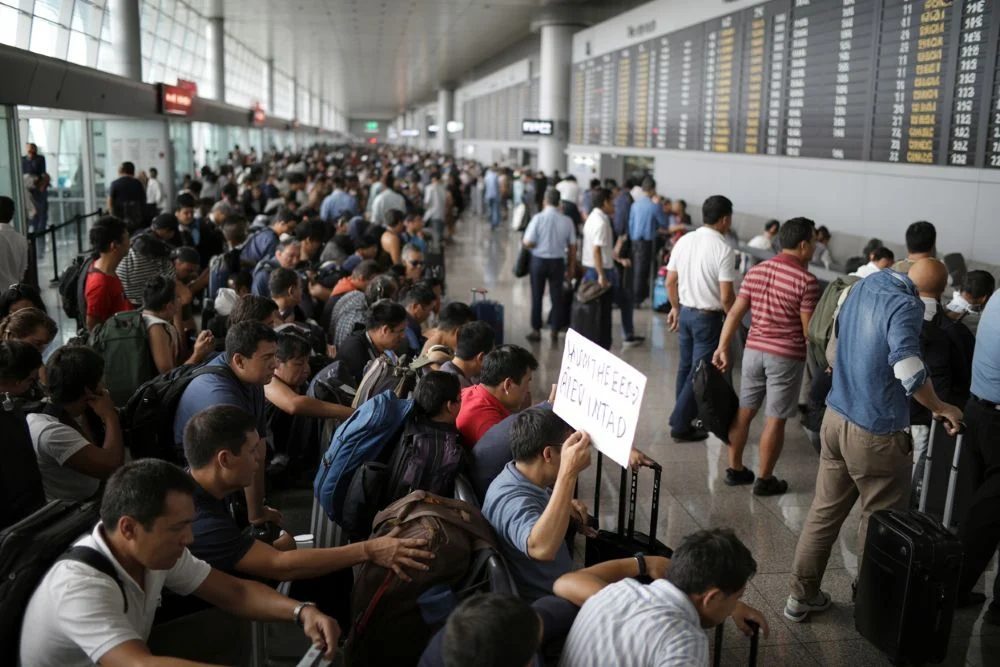
Esperanza clutched her phone with trembling hands as she stared at the departure board in Lima’s Jorge Chávez International Airport. The 67-year-old grandmother had saved for two years to visit her daughter in New York, but the word “CANCELLED” now flashed next to her flight number in bright red letters.

“I don’t understand,” she whispered to the gate agent, her voice barely audible over the growing crowd of frustrated passengers. “This is the third time this week.”
Esperanza isn’t alone. Thousands of travelers across Peru are finding themselves stranded as a deepening airline crisis rocks the country’s aviation sector, leaving passengers scrambling for alternatives and questioning when they’ll actually reach their destinations.

Peru’s Aviation Sector Faces Unprecedented Turmoil
What started as isolated flight delays has spiraled into a full-blown crisis affecting Peru’s major airports, particularly in Lima and Cusco. Multiple airlines operating in the region have been forced to cancel hundreds of flights over the past two weeks, creating a domino effect that’s disrupting travel plans across South America.
The situation has caught both domestic and international travelers off guard. Peru’s tourism industry, which relies heavily on visitors to iconic destinations like Machu Picchu, is now grappling with the fallout as frustrated tourists find themselves stuck in airport terminals with no clear timeline for resolution.
We’re seeing unprecedented disruption levels that go beyond typical operational challenges. This is affecting the entire regional travel ecosystem.
— Ricardo Mendoza, Aviation Industry Analyst

The crisis stems from a combination of factors including regulatory disputes, financial pressures on airlines, and infrastructure limitations that have been building pressure on Peru’s aviation system for months. What makes this situation particularly challenging is how it’s affecting both major international routes and crucial domestic connections.
Which Routes and Airlines Are Most Affected
The impact isn’t spread evenly across Peru’s aviation network. Some routes and carriers are bearing the brunt of the crisis more than others, creating particular headaches for travelers depending on their destinations.
| Airport | Cancelled Flights (Last 7 Days) | Most Affected Routes |
|---|---|---|
| Lima (LIM) | 156 | Lima-Miami, Lima-Madrid, Lima-Santiago |
| Cusco (CUZ) | 89 | Cusco-Lima, Cusco-La Paz, Cusco-Arequipa |
| Arequipa (AQP) | 34 | Arequipa-Lima, Arequipa-Cusco |
| Trujillo (TRU) | 22 | Trujillo-Lima, Trujillo-Chiclayo |
International travelers heading to North America and Europe are experiencing some of the longest delays, with some passengers reporting wait times exceeding 72 hours. The situation is particularly acute for tourists who planned tight itineraries around Cusco and Machu Picchu visits.
Key issues affecting different types of travelers include:
- Business travelers facing extended stays due to lack of alternative flights
- Tourist groups with pre-paid accommodations losing money on unused bookings
- Connecting passengers missing international flights due to domestic delays
- Families with young children struggling with extended airport stays
- Elderly passengers facing health concerns during prolonged travel disruptions
The ripple effects are enormous. When domestic connections fail, it doesn’t just affect local travel – it impacts international itineraries across multiple countries.
— Carmen Vásquez, Travel Industry Consultant
What This Means for Your Travel Plans
If you’re planning to travel to or within Peru in the coming weeks, the reality is that you need to prepare for potential disruptions. This isn’t just about inconvenience – it’s about understanding how to protect yourself financially and logistically.
The immediate impact varies depending on your travel style and flexibility. Business travelers with expense accounts might find it easier to book alternative accommodations or routes, while budget tourists could face significant financial strain from unexpected costs.
Travel insurance is becoming crucial, but many policies don’t cover airline operational issues unless they’re deemed extraordinary circumstances. Passengers are finding themselves in gray areas where standard compensation rules don’t clearly apply.
We’re advising clients to build in extra buffer time and have backup plans ready. The old approach of booking tight connections through Peru just isn’t viable right now.
— Miguel Torres, Travel Agency Director
For international visitors, the situation is complicated by Peru’s position as a key hub for South American travel. Many travelers use Lima as a connection point for reaching other countries, meaning delays here can affect entire multi-country itineraries.
How Airlines and Authorities Are Responding
The response from airlines and government authorities has been mixed, with some carriers offering more flexibility than others. Peru’s civil aviation authority has been working to address regulatory issues, but passengers are still facing uncertainty about when normal operations will resume.
Some airlines have implemented emergency measures including:
- Waiving change fees for affected routes
- Providing hotel accommodations for stranded passengers
- Offering refunds for cancelled flights
- Partnering with other carriers to accommodate displaced travelers
However, the effectiveness of these measures varies significantly. Passengers report inconsistent treatment depending on which airline they’re flying with and which airport they’re stuck in.
The challenge is that this isn’t a weather event or a single incident – it’s a systemic issue that requires coordinated solutions across multiple stakeholders.
— Patricia Alvarado, Airport Operations Specialist
Tourism officials are particularly concerned about the long-term impact on Peru’s reputation as a travel destination. The country has worked hard to build its tourism infrastructure, and extended disruptions could affect visitor confidence for months or even years.
Practical Steps for Affected Travelers
If you’re currently affected by these cancellations or planning future travel to Peru, there are specific steps you can take to minimize your disruption and protect your interests.
First, document everything. Keep records of cancelled flights, additional expenses, and any communications with airlines. This documentation will be crucial if you need to file insurance claims or seek compensation later.
Consider alternative routes that might bypass the most affected airports. Sometimes flying through different South American hubs or taking ground transportation for part of your journey can be more reliable than waiting for direct flights to resume.
Stay in close contact with your airline, but don’t rely solely on their information. Cross-reference with airport websites, local news sources, and other passengers’ experiences to get a complete picture of your options.
FAQs
How long is this airline crisis expected to last?
Aviation experts suggest the situation could persist for several more weeks, with full normalization possibly taking months depending on regulatory and operational resolutions.
Will I get compensation for cancelled flights in Peru?
Compensation depends on your airline, ticket type, and specific circumstances. International flights may have different rules than domestic ones.
Should I cancel my planned trip to Peru?
Consider your flexibility with dates and tolerance for disruption. If you can build in extra time and have backup plans, travel is still possible but requires more preparation.
Are some airlines more reliable than others right now?
Larger international carriers generally have more resources to handle disruptions, but no airline operating in Peru is completely immune to the current issues.
What should I do if I’m currently stranded in Peru?
Contact your airline immediately, document all expenses, check with your travel insurance provider, and consider alternative transportation options including ground travel or flights through different countries.
Is travel insurance covering these cancellations?
Coverage varies significantly by policy. Some insurers are treating this as an extraordinary circumstance while others consider it a standard airline operational issue.

Leave a Reply