
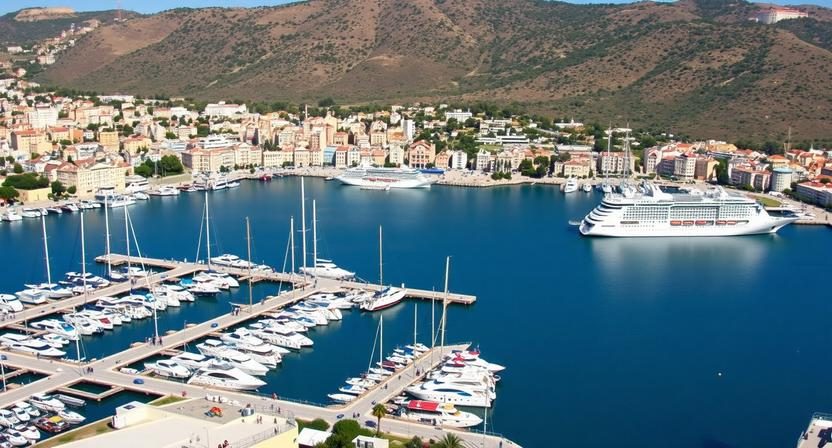
Captain Elena Vasquez stepped off the bridge of her cruise ship as it approached Valletta’s Grand Harbour for the third time this month. “Five years ago, we’d dock here maybe twice a season,” she told her first officer, watching the bustling port activity below. “Now look at this place – it’s transformed into something I barely recognize.”
The veteran cruise captain wasn’t exaggerating. What she was witnessing firsthand represents one of the Mediterranean’s most dramatic maritime transformations, as Malta positions itself to become a major player in the cruise industry through aggressive infrastructure development and strategic home port operations.
Malta’s cruise industry is experiencing unprecedented growth, driven by the island nation’s ambitious plans to expand its home port capabilities and modernize its maritime infrastructure. This shift isn’t just about accommodating more ships – it’s about fundamentally changing how the Mediterranean cruise market operates.

Malta’s Strategic Push to Dominate Mediterranean Cruising
The numbers tell a compelling story. Malta’s cruise passenger traffic has surged dramatically over the past three years, with the island welcoming over 600,000 cruise passengers annually. But the real game-changer lies in the government’s €50 million infrastructure investment program, designed to transform Malta from a simple port of call into a full-service home port operation.
This transformation centers around the expansion of the Valletta Cruise Port, which is undergoing massive upgrades to handle larger vessels and increased passenger volumes. The project includes new terminal facilities, enhanced passenger processing areas, and improved logistics capabilities that rival established Mediterranean cruise hubs like Barcelona and Rome.

Malta’s geographic position makes it the perfect gateway between Western and Eastern Mediterranean routes. We’re seeing cruise lines recognize this strategic advantage and adjust their operations accordingly.
— Marco Reginelli, Mediterranean Cruise Operations Director

The infrastructure improvements extend beyond the port itself. Malta has invested heavily in shore power facilities, allowing docked cruise ships to connect to the electrical grid instead of running diesel generators. This environmental initiative has attracted environmentally conscious cruise lines looking to reduce their carbon footprint while in port.
What This Growth Means for Travelers and the Industry
The expansion brings significant benefits for both cruise passengers and the broader maritime industry. Enhanced home port operations mean travelers can now begin and end their Mediterranean cruises directly from Malta, eliminating the need for connecting flights to traditional departure points.
Key improvements include:
- Expanded terminal capacity handling up to 8,000 passengers simultaneously
- New baggage handling systems reducing embarkation time by 40%
- Enhanced customs and immigration facilities
- Improved ground transportation links to Malta International Airport
- Upgraded port security systems meeting international maritime standards
- Additional berths capable of accommodating mega-ships over 300 meters in length
The table below shows Malta’s cruise industry growth trajectory:
| Year | Passenger Numbers | Ship Calls | Home Port Operations |
|---|---|---|---|
| 2021 | 420,000 | 185 | 12 |
| 2022 | 580,000 | 245 | 28 |
| 2023 | 650,000 | 290 | 45 |
| 2024 (projected) | 750,000 | 340 | 65 |
We’ve seen a 300% increase in home port departures from Malta over the past two years. The infrastructure improvements have made operations significantly more efficient for cruise lines.
— Patricia Hernandez, Port Operations Manager
Economic Impact and Regional Competition
Malta’s cruise industry expansion generates substantial economic benefits for the island nation. Each cruise passenger contributes an average of €85 to the local economy during port visits, while home port passengers spend considerably more on pre- and post-cruise accommodations, dining, and tourism activities.
The growth has created over 1,200 direct jobs in port operations, tourism services, and related industries. Local businesses, from taxi operators to tour guides, report increased demand as cruise passenger numbers continue climbing.
However, Malta faces stiff competition from established Mediterranean cruise hubs. Barcelona, Rome, and Venice have dominated the market for decades, offering extensive infrastructure and established cruise line relationships. Malta’s strategy focuses on providing superior service, competitive pricing, and unique itinerary opportunities that larger ports cannot match.
Malta offers cruise lines something unique – the ability to provide passengers with an authentic Mediterranean experience from the moment they arrive. You can’t get that in larger, more commercialized ports.
— Dr. James Calleja, Tourism Development Consultant
Challenges and Future Outlook
Despite impressive growth, Malta’s cruise industry faces several challenges. Limited land area constrains further terminal expansion, while increased cruise traffic raises environmental concerns about overtourism and marine ecosystem impact.
The government has implemented strict environmental regulations, including mandatory shore power connections for all docked cruise ships and limits on daily passenger numbers during peak season. These measures aim to balance economic growth with environmental protection.
Looking ahead, Malta plans additional infrastructure investments, including a second cruise terminal and expanded marina facilities for luxury yacht operations. The goal is to establish Malta as the premier small-ship and luxury cruise destination in the Mediterranean.
We’re not trying to compete with Barcelona or Rome on volume. Our advantage lies in providing premium, personalized service that larger ports simply cannot offer.
— Minister Joseph Muscat, Malta Tourism Authority
Industry analysts predict Malta’s cruise passenger numbers could reach one million annually by 2027, provided infrastructure development continues at its current pace. This growth would position Malta among the top ten Mediterranean cruise destinations, a remarkable achievement for an island nation with a population of just over 500,000.
The success of Malta’s cruise industry expansion demonstrates how strategic infrastructure investment and focused marketing can rapidly transform a destination’s position in the competitive Mediterranean cruise market. For travelers, this means more options, better facilities, and unique itinerary possibilities that weren’t available just a few years ago.
FAQs
How many cruise ships can Malta’s port handle simultaneously?
Malta’s expanded port facilities can accommodate up to four large cruise ships simultaneously, with plans to increase capacity to six ships by 2026.
What cruise lines currently use Malta as a home port?
Major cruise lines including MSC Cruises, Costa Cruises, and several boutique operators now offer home port departures from Malta.
How long does it take to get from Malta’s airport to the cruise port?
The journey from Malta International Airport to Valletta Cruise Port takes approximately 15-20 minutes by taxi or shuttle bus.
Are there environmental restrictions on cruise ships in Malta?
Yes, all cruise ships must use shore power while docked and comply with strict waste management and emission standards.
What makes Malta attractive as a cruise destination?
Malta offers UNESCO World Heritage sites, crystal-clear waters, rich history, and strategic location for both Western and Eastern Mediterranean itineraries.
Can Malta handle mega cruise ships?
Yes, the upgraded port infrastructure can accommodate ships up to 350 meters in length, including most mega cruise vessels currently in operation.

Leave a Reply