
Asha pressed her face against the airplane window, watching the impossibly blue waters of the Indian Ocean stretch endlessly below. As a marine biology professor, she’d seen countless documentaries about coral bleaching, but this was her first time visiting the Maldives. “I hope there’s still something left to see down there,” she whispered to her husband, thinking about the devastating coral loss reports she’d been reading for years.

What Asha didn’t know was that she was about to witness one of the most ambitious coral conservation efforts in the world, happening at one of the planet’s most luxurious resort destinations.
Her story mirrors that of thousands of eco-conscious travelers who are discovering that luxury and environmental responsibility don’t have to be mutually exclusive – especially in the Maldives, where Six Senses Resorts is redefining what it means to vacation sustainably.

Where Paradise Meets Purpose: Six Senses’ Revolutionary Approach
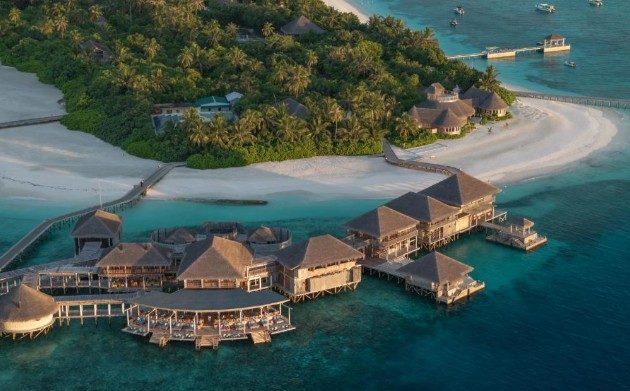
Six Senses Resorts has transformed the traditional luxury travel model in the Maldives by placing coral conservation and holistic wellness at the center of their guest experience. Rather than simply offering overwater villas and pristine beaches, these resorts have become living laboratories for marine restoration and sustainable tourism practices.
The resort chain operates two properties in the Maldives – Six Senses Laamu and Six Senses Kanuhura – both of which have integrated groundbreaking coral conservation programs directly into their daily operations. Guests don’t just observe these efforts from a distance; they become active participants in reef restoration while enjoying world-class amenities.

We’re not just preserving these reefs for future generations – we’re actively rebuilding them. Every guest who stays with us becomes part of this mission, whether they realize it or not.
— Dr. Marine Saeed, Marine Biologist at Six Senses Laamu

The approach goes far beyond typical “eco-friendly” hotel practices. These resorts have established on-site marine research centers, coral nurseries, and comprehensive reef monitoring systems that rival those found at dedicated research institutions.
The Science Behind the Luxury: Conservation Programs That Actually Work
Six Senses’ coral conservation initiatives represent some of the most sophisticated reef restoration work happening anywhere in the world. Here’s what makes their programs so effective:

- Coral Fragment Transplantation: Scientists collect naturally broken coral fragments and transplant them to degraded reef areas, accelerating natural recovery processes
- Artificial Reef Structures: Custom-designed underwater structures provide new surfaces for coral growth while creating habitats for marine life
- Water Quality Monitoring: Advanced sensors continuously track ocean temperature, pH levels, and nutrient content to optimize coral health
- Guest Participation Programs: Visitors can adopt coral fragments, participate in reef cleanups, and learn from resident marine biologists
- Local Community Integration: Programs train local fishermen as reef guardians and provide alternative income sources
The results speak for themselves. Six Senses Laamu has successfully restored over 2,000 square meters of reef area, while Six Senses Kanuhura has documented a 40% increase in fish species diversity around their artificial reef structures.
| Conservation Metric | Six Senses Laamu | Six Senses Kanuhura |
|---|---|---|
| Reef Area Restored | 2,000+ sq meters | 1,500+ sq meters |
| Coral Fragments Transplanted | 5,000+ | 3,800+ |
| Fish Species Documented | 180+ | 165+ |
| Guest Participants (2023) | 2,400+ | 1,900+ |
| Local Staff Trained | 45 | 38 |
When guests see a coral fragment they helped plant six months ago now thriving with new growth, the emotional impact is incredible. They become ocean advocates for life.
— James Keller, Sustainability Director at Six Senses Kanuhura
Wellness That Heals Both Body and Planet
The wellness programs at Six Senses Maldives properties extend far beyond traditional spa treatments. These resorts have developed what they call “regenerative wellness” – practices that restore both human health and environmental health simultaneously.
Guests participate in sunrise yoga sessions on floating platforms above coral nurseries, where they can observe baby corals growing beneath their feet. Meditation sessions incorporate the sounds of healthy reef ecosystems, creating a deeper connection between personal well-being and ocean health.
The spa treatments themselves utilize ingredients sourced from the resort’s own organic gardens and sustainable marine harvests. Seaweed wraps use algae grown in the resort’s marine permaculture systems, while salt scrubs come from solar evaporation pools that also serve as bird habitats.
We’ve discovered that when people feel a personal connection to the reef ecosystem, they make different choices – not just during their stay, but when they return home.
— Dr. Amina Hassan, Wellness Director and Marine Conservationist
The Ripple Effect: How Luxury Tourism Can Drive Conservation
The Six Senses model in the Maldives is proving that high-end tourism can be a powerful force for environmental conservation rather than destruction. By integrating coral restoration into the luxury experience, these resorts generate significant funding for marine research while educating influential travelers who often become conservation advocates in their home communities.
Each resort guest contributes an average of $150 per night to conservation programs through a combination of direct fees and resort allocations. This funding model has allowed Six Senses to operate their marine research programs independently while maintaining the highest luxury standards.
The economic impact extends to local communities as well. The resorts employ over 80 Maldivian nationals in their conservation programs, providing career paths in marine science and sustainable tourism that didn’t exist before these initiatives began.
Other luxury resort operators throughout the Indian Ocean are now studying the Six Senses model, recognizing that environmental stewardship and premium hospitality can create a competitive advantage rather than a cost burden.
This isn’t just about saving coral reefs – it’s about proving that the tourism industry can be part of the solution to climate change rather than part of the problem.
— Neil Jacobs, CEO of Six Senses Hotels Resorts Spas
The success of these programs is attracting attention from marine research institutions worldwide. The University of Miami’s Rosenstiel School of Marine and Atmospheric Science has established a research partnership with Six Senses Laamu, while the Australian Institute of Marine Science regularly exchanges data and techniques with both Maldivian properties.
For travelers like Asha, who initially worried about finding healthy reefs to explore, the Six Senses experience offers something even better than pristine nature – the opportunity to actively participate in healing damaged ecosystems while enjoying an unforgettable luxury vacation.
FAQs
How much do guests pay for coral conservation programs at Six Senses Maldives?
Conservation fees are typically included in resort rates, averaging $150 per night per guest, with optional additional donation opportunities.
Can guests without diving experience participate in coral restoration activities?
Absolutely. Six Senses offers snorkeling-based programs, glass-bottom boat tours, and land-based marine education activities for all skill levels.
How long does it take for transplanted coral fragments to show growth?
Most coral fragments show visible new growth within 3-6 months, with significant development visible after one year under optimal conditions.
Do the resorts work with local Maldivian communities?
Yes, both properties employ local staff in conservation roles and partner with nearby communities on reef protection and sustainable fishing practices.
What makes Six Senses’ coral conservation different from other resort programs?
The scale and scientific rigor of their programs, combined with dedicated marine research facilities and full integration into the guest experience, sets them apart from typical eco-tourism initiatives.
Are the wellness programs suitable for families with children?
Six Senses offers age-appropriate marine education and wellness activities for children, including junior marine biologist programs and family-friendly reef exploration sessions.

Leave a Reply