
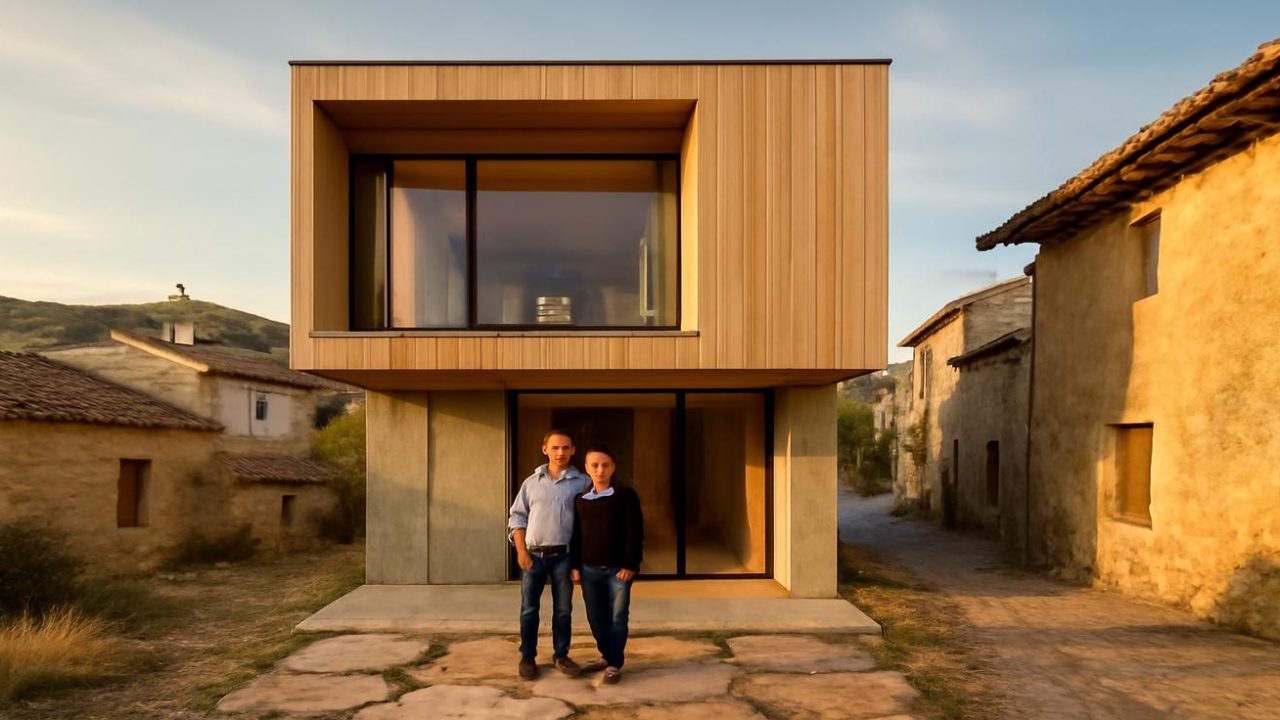
Tomás wiped the sweat from his forehead as he looked out at the rolling hills surrounding the tiny village of Castellar de la Muela. “Are we completely insane?” he asked his partner Elena, who was measuring timber for what would become their reception desk. She paused, hammer in hand, and grinned. “Probably. But look at this place.”
Six months earlier, they’d been stuck in Madrid traffic every morning, rushing to corporate jobs that paid well but left them feeling empty. Now they were covered in sawdust, their savings account was frighteningly low, and they’d never been happier.
What started as a crazy dream has just been recognized as Spain’s best rural guesthouse for 2025, proving that sometimes the biggest risks lead to the most extraordinary rewards.
From City Stress to Rural Success
Tomás Herrera and Elena Vázquez aren’t your typical hospitality entrepreneurs. He was a software engineer, she worked in marketing for a pharmaceutical company. Their combined salaries afforded them a comfortable life in Madrid’s bustling Malasaña neighborhood.
But comfort wasn’t enough anymore.
“We realized we were living for weekends,” Elena explains. “Every Friday, we’d escape to some rural hotel or casa rural, dreaming about a different life. One day, we just decided to stop dreaming and start doing.”
The couple spent months researching locations before stumbling upon Castellar de la Muela, a village of just 387 residents nestled in the Guadalajara province. The abandoned 18th-century farmhouse they purchased had been empty for over a decade.
“When we first saw the property, half the roof was missing and there were literally sheep living in what’s now our dining room. But the bones were incredible, and the views took our breath away.”
— Elena Vázquez, Co-founder Casa del Valle
Their transformation of the crumbling farmhouse into Casa del Valle took eighteen months of backbreaking work. They did most of the renovation themselves, learning carpentry, plumbing, and stone masonry through YouTube videos and help from local craftsmen.
What Makes Casa del Valle Special
Casa del Valle isn’t just another rural accommodation. The property seamlessly blends historical architecture with modern sustainability practices, creating an experience that feels both timeless and forward-thinking.
Here’s what sets their guesthouse apart:
- 100% renewable energy through solar panels and micro-wind turbines
- Organic vegetable garden that supplies the on-site restaurant
- Traditional building materials sourced within 50 kilometers
- Partnerships with local artisans for workshops and cultural experiences
- Zero-waste policy with comprehensive recycling and composting
- Restored medieval hiking trails connecting to neighboring villages
| Feature | Details |
|---|---|
| Rooms | 8 individually designed suites |
| Capacity | Maximum 16 guests |
| Dining | Farm-to-table restaurant using local ingredients |
| Activities | Hiking, pottery workshops, stargazing, cooking classes |
| Sustainability | Carbon neutral operations, local sourcing |
| Pricing | €180-280 per night including breakfast |
The recognition as Spain’s best rural guesthouse came from the Spanish Tourism Board’s annual rural accommodation awards, which evaluate properties based on guest satisfaction, sustainability practices, cultural integration, and overall experience quality.
“Casa del Valle represents the future of rural tourism in Spain. They’ve created something that benefits not just their guests, but the entire local community.”
— Carmen Rodríguez, Spanish Rural Tourism Association
Revitalizing a Forgotten Village
The impact on Castellar de la Muela has been profound. When Tomás and Elena arrived, the village had one small grocery store and a bar that opened sporadically. The average age of residents was over 65, and young families were almost nonexistent.
Casa del Valle has changed that dynamic significantly. The guesthouse employs twelve local residents, from housekeeping staff to the head chef who creates menus featuring traditional Guadalajara cuisine. They’ve also established partnerships with nearby farms, artisan workshops, and cultural sites.
“We source our honey from Miguel’s beehives, our cheese from the Fernández family farm, and our wine from vineyards that have been in families for generations,” Tomás explains. “Every euro our guests spend ripples through the local economy.”
The village now has a waiting list for housing as younger families move in to work in the growing tourism sector. The old bakery has reopened, and there’s talk of restoring the medieval church for cultural events.
“Before Casa del Valle, my grandchildren visited maybe twice a year. Now they’re talking about moving back to help with the family farm because there are actually opportunities here.”
— Esperanza Morales, Local Resident
This transformation reflects a broader trend across rural Spain, where innovative tourism projects are breathing life into depopulated villages. The Spanish government has taken notice, featuring Casa del Valle in their national rural development campaign.
The Challenges Nobody Talks About
Success didn’t come easily. Elena and Tomás faced bureaucratic nightmares, unexpected renovation costs that doubled their budget, and the constant stress of learning new skills while racing against opening deadlines.
“There were nights I cried myself to sleep wondering if we’d made a terrible mistake,” Elena admits. “When you’re installing a septic system at midnight because the inspector is coming in the morning, you question every life choice that brought you there.”
The couple also had to navigate complex zoning laws, environmental regulations, and the challenge of providing reliable internet and mobile coverage for guests accustomed to city connectivity.
But perhaps the biggest challenge was earning the trust of longtime villagers who were skeptical of outsiders promising change.
“Rural communities have seen a lot of people come and go with big promises. We had to prove we were here for the long term by showing up consistently and respecting local traditions.”
— Tomás Herrera, Co-founder Casa del Valle
A Blueprint for Rural Renaissance
Casa del Valle’s success has attracted attention from tourism boards across Europe. The model they’ve created—sustainable luxury that empowers local communities—offers a roadmap for revitalizing rural areas without destroying their character.
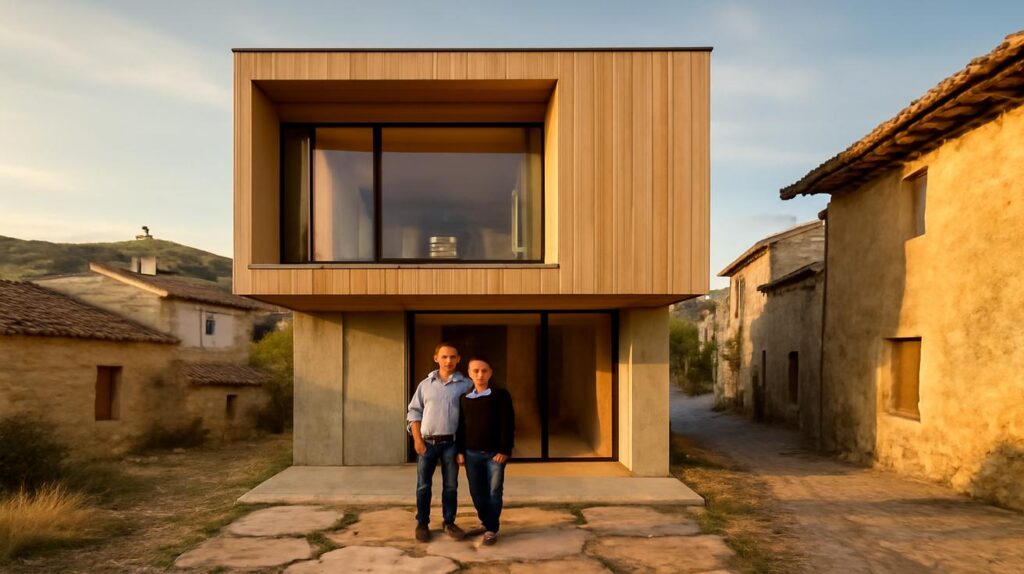
Bookings are now solid through 2026, with a waiting list for peak seasons. The couple is considering expanding with a second property, but they’re determined to maintain the intimate, personal experience that made them successful.
“We could probably scale this and open ten properties,” Elena says. “But that would miss the point entirely. This isn’t about building a hotel empire. It’s about proving that you can create something beautiful and meaningful while making rural communities thrive.”
For other professionals dreaming of escaping city life, their story offers both inspiration and a reality check. Success requires more than just a vision—it demands resilience, adaptability, and a genuine commitment to the community you’re joining.
FAQs
How much did it cost to renovate the farmhouse?
The total renovation cost approximately €450,000, nearly double their initial budget due to unexpected structural issues and the decision to use traditional building methods.
Can guests participate in daily farm activities?
Yes, guests can help with vegetable harvesting, animal care, and seasonal activities like olive picking, depending on the time of year.
Is Casa del Valle suitable for families with children?
Absolutely. They offer family suites and have developed special programs for children, including nature education and traditional craft workshops.
How far is the guesthouse from major cities?
Casa del Valle is 90 minutes from Madrid by car and about two hours from Valencia, making it easily accessible for weekend getaways.
Do they offer cooking classes?
Yes, Elena teaches traditional Spanish cooking classes using ingredients from their garden and local suppliers, with classes held three times per week.
What’s the best time to visit?
Spring and fall offer the most pleasant weather, but each season has its charm—winter for cozy fireside evenings and summer for outdoor activities and festivals.

Leave a Reply