Kai packed his backpack in silence, his hands trembling slightly as he folded the same shirt three times. Six months had passed since the funeral, and his apartment still felt like a museum of memories he couldn’t bear to face. His sister had suggested therapy, his friends recommended time, but something deep inside told him he needed distance—physical distance from everything that reminded him of what he’d lost.
“I’m going to Thailand,” he announced to his reflection in the hallway mirror, testing how the words sounded out loud. It was the first decision that felt right since everything fell apart.
Kai’s story isn’t unique. Across the globe, millions of people are discovering that solo travel offers something traditional healing methods can’t: the freedom to grieve, grow, and rediscover themselves on their own terms, in their own time.
When the Heart Needs Distance to Heal
Solo travel for healing represents more than just taking a vacation alone. It’s about creating space between yourself and the life circumstances that feel overwhelming, suffocating, or too painful to navigate while surrounded by familiar faces and places.
Whether you’re processing the end of a relationship, mourning the loss of a loved one, or simply feeling lost in your own life, traveling alone offers a unique form of therapy that combines physical movement with emotional processing.
Solo travel strips away all the noise and expectations from others. When you’re in a new place where nobody knows your story, you’re free to feel whatever comes up without judgment.
— Dr. Patricia Chen, Travel Therapy Specialist
The healing power lies in the combination of new experiences, solitude, and the natural rhythm of travel that forces you to stay present. When you’re figuring out train schedules in a foreign country or navigating a new city, your mind gets a break from cycling through painful memories.
Essential Elements of Healing Through Solo Travel
Not all solo trips are created equal when it comes to emotional healing. Certain destinations, activities, and approaches can maximize the therapeutic benefits of your journey.
Destination Types That Support Healing:
- Nature-immersive locations (mountains, beaches, forests)
- Spiritually significant places (temples, pilgrimage routes, meditation centers)
- Culturally rich cities that encourage exploration and learning
- Quiet, slower-paced destinations that allow for reflection
- Adventure locations that push comfort zones safely
Healing-Focused Travel Activities:
| Activity Type | Healing Benefit | Best For |
|---|---|---|
| Walking meditation/hiking | Processes grief through movement | Loss and major life changes |
| Journaling in new settings | Fresh perspectives on problems | Relationship issues, career confusion |
| Learning new skills | Rebuilds confidence and identity | Major life transitions |
| Volunteer work | Creates purpose and connection | Depression, feeling lost |
| Creative workshops | Emotional expression and release | Trauma processing |
| Spa and wellness retreats | Physical and emotional restoration | Burnout, chronic stress |
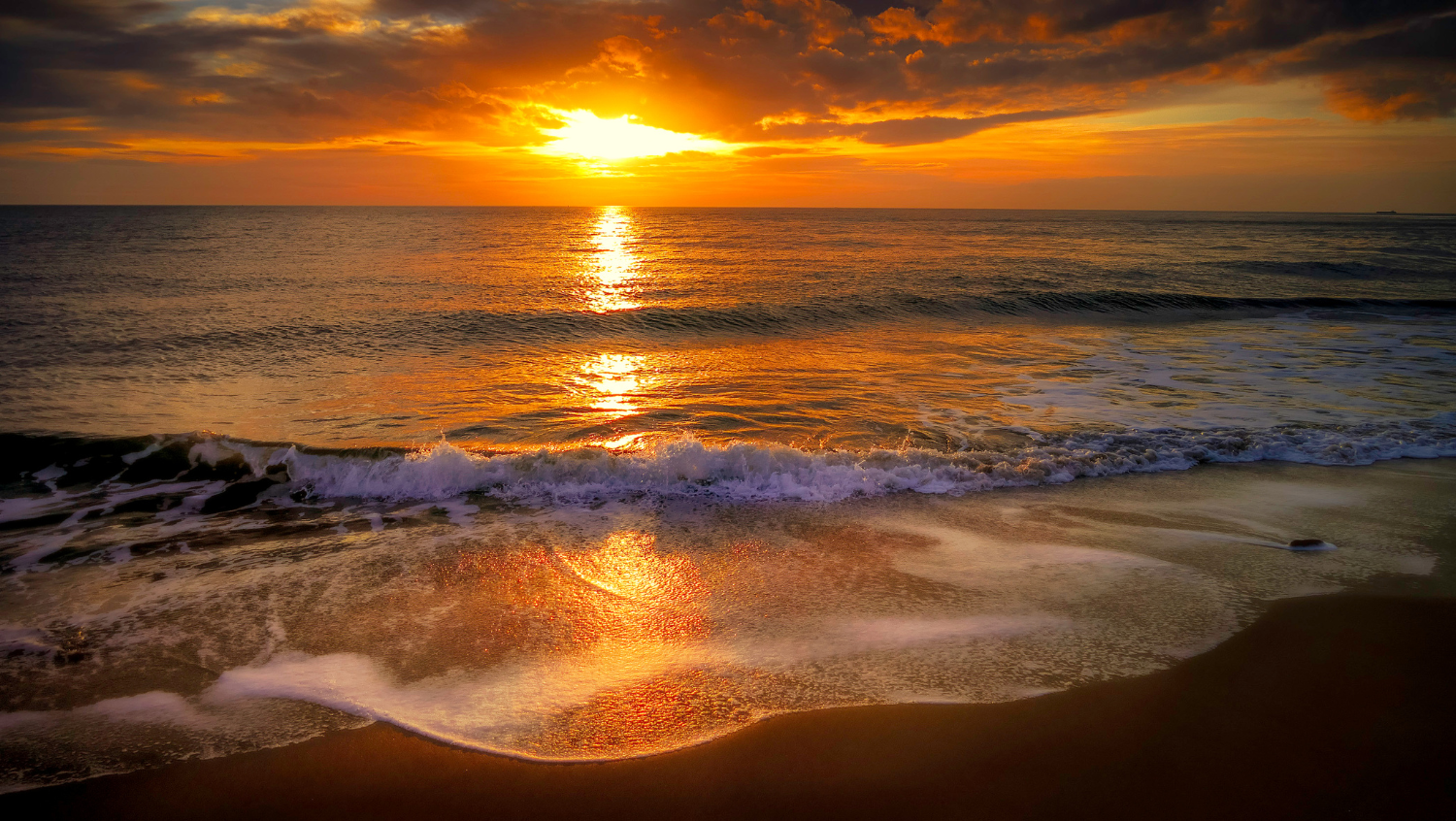
I always tell my clients that healing isn’t linear, and neither should their travel be. Some days you’ll want to climb mountains, other days you’ll need to sit by the ocean and cry. Both are necessary.
— Marcus Rodriguez, Grief Counselor
Real Stories of Transformation on the Road
The most powerful aspect of solo healing travel isn’t found in guidebooks—it’s in the unexpected moments of connection and self-discovery that happen when you’re far from home.
Take Elena, who spent three weeks in rural Ireland after her divorce. She’d planned to visit museums and castles, but instead found herself helping at a local farm, learning that her hands could create something beautiful even when her heart felt broken.
Or consider David, a military veteran who struggled with PTSD until he embarked on a month-long photography journey through Southeast Asia. The act of capturing beauty through his lens slowly retrained his mind to notice light instead of shadows.
Solo travel forces you to become your own best friend. You learn to comfort yourself, make decisions for yourself, and trust your instincts again.
— Dr. Amanda Foster, Clinical Psychologist
These transformations don’t happen overnight, and they’re not always dramatic. Sometimes healing looks like ordering dinner in broken Spanish and feeling proud instead of embarrassed. Sometimes it’s sitting in a café in Prague and realizing you haven’t thought about your ex-partner for three whole hours.
Practical Preparation for Emotional Journeys
Healing-focused solo travel requires different preparation than typical vacations. Your emotional state is part of your luggage, and you need to pack accordingly.
Before You Leave:
- Set realistic expectations—healing takes time
- Choose destinations that match your energy level
- Pack comfort items that ground you
- Share your itinerary with trusted friends or family
- Research local mental health resources if needed
- Consider travel insurance that covers mental health
Budget considerations matter too. Financial stress can undermine the healing benefits of travel. Consider slower travel, staying in fewer places longer, or choosing destinations where your money stretches further.
Safety takes on additional importance when you’re emotionally vulnerable. Trust your instincts, stay connected with people back home, and don’t be afraid to change plans if something doesn’t feel right.
The goal isn’t to come back ‘fixed’—it’s to come back with a broader perspective on your own resilience and capacity for joy.
— Sarah Kim, Travel Writer and Grief Advocate
Coming Home Changed
The real test of healing travel isn’t how you feel in paradise—it’s how you integrate those insights when you return to regular life. Many solo travelers report that the confidence gained from navigating foreign places alone translates into better decision-making at home.
The key is allowing yourself to be different when you return. You might discover you no longer want the same things, enjoy the same activities, or tolerate the same situations that felt normal before you left.
This can be unsettling for friends and family who expect you to return unchanged, but growth often requires disappointing others’ expectations of who you should be.
FAQs
Is solo travel safe when I’m emotionally vulnerable?
With proper planning and realistic destination choices, solo travel can be very safe. Start with easier destinations if you’re new to solo travel, and always trust your instincts.
How long should a healing trip be?
There’s no magic timeframe. Some people find clarity in a weekend getaway, others need months abroad. Start with what feels manageable and extend if needed.
What if I get lonely or overwhelmed while traveling alone?
Loneliness is normal and often part of the healing process. Pack coping strategies like journaling, meditation apps, or video calls with supportive friends back home.
Should I plan everything in advance or be spontaneous?
When healing, having some structure helps reduce anxiety. Plan your accommodation and transportation, but leave room for spontaneous experiences.
How do I know if I’m ready for solo healing travel?
If you can handle basic daily tasks and feel curious about new experiences, you’re probably ready. Consider starting with a shorter domestic trip to test the waters.
What if traveling alone doesn’t help my healing process?
Not every healing method works for everyone. Solo travel is one tool among many. If it doesn’t resonate, that’s valuable information about what does work for you.
Leave a Reply