
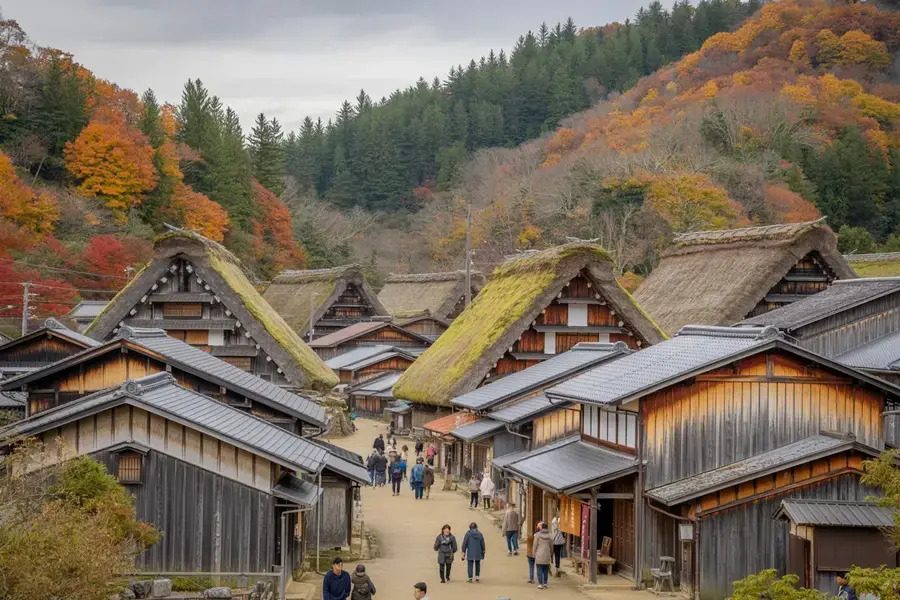
Kenji Watanabe stood at the entrance of Seoul’s bustling Gangnam Station, holding a colorful brochure featuring cherry blossoms and traditional Japanese architecture. As a tourism representative from Fukushima Prefecture, he’d traveled over 600 miles to change minds—one conversation at a time.
“Many Koreans still think of radiation when they hear ‘Fukushima,'” Kenji explained to a curious passerby. “But I want to show them the beautiful reality of our region today—the hot springs, the sake breweries, the mountain trails that have been welcoming visitors safely for years now.”
This scene, playing out across Seoul and Busan, represents Japan’s most ambitious tourism campaign yet. It’s not just about promoting travel; it’s about rewriting a story that’s been shaped by fear for over a decade.
Japan’s Bold Move to Win Back Korean Hearts
The Fukushima tourism promotion campaign hitting South Korea’s major cities isn’t your typical travel marketing effort. This is a carefully orchestrated mission to rebuild trust, dispel lingering radiation concerns, and showcase a region that’s been quietly transforming itself since the 2011 disaster.
Korean tourists once flocked to Japan in record numbers, but Fukushima remained largely off their travel maps. The prefecture, located just 150 miles north of Tokyo, has been working tirelessly to change that perception through scientific data, cultural exchanges, and now, direct engagement with Korean travelers.

The safety of Fukushima’s tourist areas has been verified by multiple international agencies. We’re not asking people to take our word for it—we’re showing them the evidence and inviting them to experience it firsthand.
— Hiroshi Sato, Fukushima Tourism Board Director
The campaign strategically targets Seoul and Busan because these cities represent South Korea’s largest pools of potential international travelers. Seoul alone accounts for nearly 40% of Korean outbound tourism, while Busan serves as a crucial gateway for travelers seeking authentic cultural experiences.
What Korean Travelers Can Expect in Today’s Fukushima
The promotional materials flooding Korean travel agencies paint a picture far different from the headlines of 2011. Here’s what the campaign is highlighting:
| Attraction Category | Key Highlights | Safety Status |
|---|---|---|
| Hot Springs | Iizaka Onsen, Higashiyama Onsen | Fully operational since 2012 |
| Cultural Sites | Aizu-Wakamatsu Castle, Samurai residences | Never affected, always open |
| Natural Areas | Bandai-Asahi National Park | Regular monitoring, safe levels |
| Food & Drink | Sake breweries, local cuisine | Rigorous testing protocols |
| Seasonal Events | Cherry blossom festivals, winter illuminations | Annual celebrations ongoing |
The campaign emphasizes experiences that Korean travelers particularly value: authentic cultural immersion, natural beauty, and culinary adventures. Fukushima’s sake, for instance, has won international awards in recent years, with several breweries specifically courting Korean sake enthusiasts.
- Traditional ryokan experiences in mountain settings
- Hands-on cultural workshops with local artisans
- Seasonal fruit picking (peaches, apples, strawberries)
- Historic samurai district walking tours
- Premium sake tasting experiences
Korean visitors are particularly interested in authentic, off-the-beaten-path experiences. Fukushima offers exactly that—without the crowds you’ll find in more popular destinations.
— Min-jun Park, Korean Travel Agency Executive
Addressing the Radiation Elephant in the Room
The campaign doesn’t shy away from addressing safety concerns head-on. Instead of avoiding the topic, promotional materials include clear, accessible information about current radiation levels and safety measures.
Scientific monitoring data shows that radiation levels in Fukushima’s main tourist areas have returned to normal background levels—often lower than what you’d experience on a international flight. The campaign presents this information through easy-to-understand infographics and testimonials from international visitors.
Korean travel bloggers and influencers have been invited on sponsored trips to document their experiences firsthand. These authentic accounts, shared across social media platforms popular in Korea, carry more weight than traditional advertising.
I was honestly nervous before my first visit to Fukushima. But the reality was completely different from my expectations. The area is not only safe but incredibly beautiful and welcoming.
— Yuki Tanaka, Korean-Japanese Cultural Exchange Coordinator
The timing of this campaign coincides with improved diplomatic relations between Japan and South Korea, creating a more favorable environment for cultural and tourism exchanges.
What This Means for Korean Travelers and Tourism
If successful, this campaign could open up an entirely new region for Korean tourists seeking alternatives to Tokyo-Osaka golden route. Fukushima offers several advantages that align with current travel trends:
Cost-effectiveness stands out as a major draw. Accommodations and dining in Fukushima typically cost 30-40% less than comparable experiences in Tokyo or Kyoto. For Korean travelers dealing with economic pressures at home, this represents significant value.
The region’s focus on sustainable, community-based tourism also appeals to environmentally conscious Korean travelers. Many local initiatives emphasize supporting family-owned businesses and traditional crafts that were disrupted by the 2011 events.
Transportation improvements have made Fukushima more accessible than ever. Direct train connections from Tokyo take just 90 minutes, and new package deals specifically target Korean tourists with multilingual guides and Korean-friendly meal options.
We’re seeing a shift in Korean travel preferences toward more meaningful, authentic experiences. Fukushima’s story of resilience and renewal resonates strongly with Korean visitors who appreciate overcoming adversity.
— Dr. Sarah Kim, Tourism Research Institute
The campaign also highlights seasonal attractions that could help distribute Korean tourism more evenly throughout the year. While most Korean tourists visit Japan during cherry blossom season or autumn, Fukushima’s winter illuminations and summer festivals offer compelling reasons to visit during off-peak periods.
Early indicators suggest the campaign is gaining traction. Korean travel agencies report increased inquiries about Fukushima destinations, and social media engagement with Fukushima tourism content has jumped significantly among Korean users.
This initiative represents more than just tourism promotion—it’s a test case for how destinations can rebuild their reputations through transparent communication, authentic experiences, and patient relationship-building. The success or failure of Fukushima’s Korean outreach could influence how other regions approach reputation recovery in our interconnected world.
FAQs
Is it actually safe to visit Fukushima now?
Yes, radiation levels in tourist areas have returned to normal background levels, verified by international monitoring agencies.
What makes Fukushima appealing to Korean tourists specifically?
The region offers authentic cultural experiences, lower costs than major cities, and appeals to Korean interests in hot springs, sake, and traditional crafts.
How is Japan addressing Korean concerns about radiation?
Through transparent data sharing, inviting Korean influencers to visit, and providing clear scientific information in Korean language materials.
What types of experiences can Korean tourists expect in Fukushima?
Traditional ryokan stays, sake brewery tours, historical samurai sites, hot springs, and seasonal festivals with Korean-speaking guides available.
How accessible is Fukushima from other Japanese destinations?
Very accessible—just 90 minutes by train from Tokyo, making it easy to add to existing Japan itineraries.
Are there Korean-friendly services available in Fukushima?
Yes, many hotels and attractions now offer Korean language materials, Korean-speaking staff, and Korean-style meal options.

Leave a Reply