
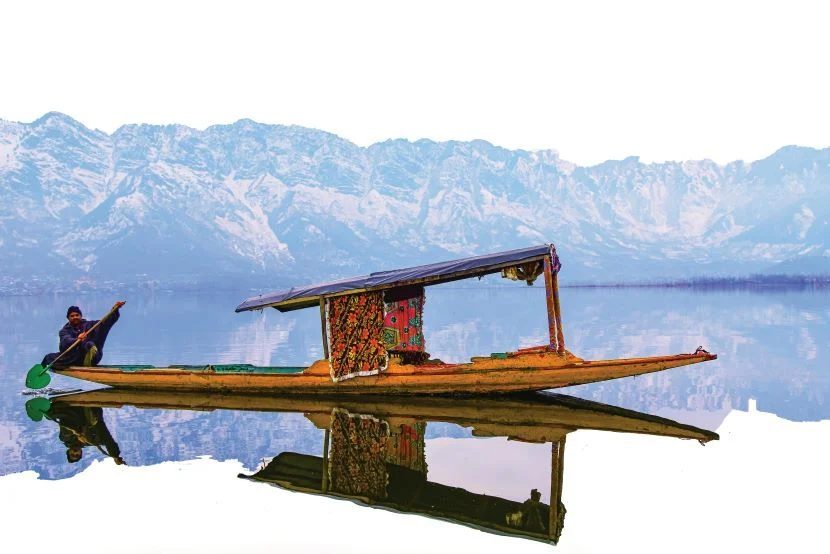
Rajesh Sharma adjusted his worn hiking boots one more time as he watched another group of tourists walk past his small tea stall near Gulmarg’s main gondola station. For fifteen years, he’d been guiding visitors through Kashmir’s stunning alpine meadows, sharing stories passed down from his grandfather about hidden trails and secret viewpoints. But lately, he’d been losing clients to newer guides with flashy certifications and professional gear.

“I know these mountains like my own backyard,” he muttered to his friend, stirring his chai. “But these days, that doesn’t seem to be enough anymore.”
What Rajesh didn’t know was that his world was about to change dramatically. The Kashmir tourism department had just announced a comprehensive overhaul of guide licensing in Gulmarg, designed to level the playing field and elevate professional standards across the valley.

Kashmir’s Bold Move to Transform Mountain Tourism
The picturesque hill station of Gulmarg, nestled at 8,825 feet above sea level, has long been the crown jewel of Kashmir’s tourism industry. Known for its world-class skiing, breathtaking meadows, and the highest golf course in the world, Gulmarg attracts hundreds of thousands of visitors annually.
However, the tourism experience has been inconsistent, largely due to unregulated guide services and varying professional standards. The new licensing overhaul aims to address these challenges head-on, creating a more structured and professional environment for both guides and tourists.

This isn’t just about paperwork and regulations. We’re building a sustainable tourism ecosystem that benefits everyone – from seasoned guides like Rajesh to first-time visitors from around the world.
— Farooq Ahmad, Director of Kashmir Tourism

The initiative represents the most significant reform in Kashmir’s tourism sector in over two decades. It’s designed to streamline the previously complex and often confusing licensing process while establishing clear professional standards that guides must meet.
What’s Actually Changing for Valley Guides
The new licensing system introduces several key improvements that will reshape how tourism operates in Gulmarg. Here’s what guides can expect:

| Old System | New System |
|---|---|
| Multiple agencies, confusing paperwork | Single digital portal for all applications |
| No standardized training requirements | Mandatory 40-hour certification program |
| Inconsistent pricing and service quality | Tiered licensing with clear service standards |
| Limited insurance coverage | Comprehensive insurance for guides and tourists |
| Language skills not verified | Tested proficiency in multiple languages |
The most significant change is the introduction of a three-tier licensing system:
- Bronze Level: Basic certification for day hikes and cultural tours
- Silver Level: Advanced certification for multi-day treks and seasonal activities
- Gold Level: Expert certification for specialized adventures like backcountry skiing and high-altitude expeditions
Each level requires specific training modules, practical assessments, and ongoing education requirements. This ensures that tourists receive appropriate guidance based on their chosen activities and risk levels.
We’ve seen too many situations where inexperienced guides led tourists into dangerous territory. This new system protects everyone while rewarding expertise and professionalism.
— Priya Mehta, Mountain Safety Coordinator
Digital Revolution Comes to the Mountains
Perhaps the most game-changing aspect of this overhaul is the introduction of a comprehensive digital platform. Guides can now complete their entire licensing process online, from initial application to renewal.
The platform includes:
- Real-time application tracking
- Digital certification storage
- Continuing education modules
- Customer feedback integration
- Emergency contact systems
- Weather and safety alerts
For guides who might not be tech-savvy, the tourism department has established help centers in Gulmarg and nearby Tangmarg, where staff assist with digital applications and training registration.
How This Transforms the Tourist Experience
Visitors to Gulmarg will notice immediate improvements in service quality and safety standards. The new system creates accountability through verified reviews, standardized pricing, and clear service expectations.
Tourists can now easily identify qualified guides through a public database that displays certifications, specializations, and customer ratings. This transparency eliminates the guesswork that previously plagued the industry.
When I visited Gulmarg last year, I had no idea if my guide was qualified for the trek I wanted to do. This new system gives tourists the confidence they need to fully enjoy their Kashmir experience.
— Dr. Anita Kapoor, Frequent Kashmir Visitor
The economic impact extends beyond individual guides. Local businesses, from equipment rental shops to homestays, benefit from increased tourist confidence and longer stays. When visitors feel secure about their guide’s qualifications, they’re more likely to book extended adventures and recommend Kashmir to others.
Challenges and Opportunities Ahead
While the new system offers significant benefits, implementation hasn’t been without challenges. Some veteran guides initially resisted the changes, viewing them as bureaucratic obstacles rather than professional opportunities.
The tourism department addressed these concerns by offering fast-track certification for experienced guides and providing financial assistance for training programs. They also created mentorship programs where established guides help newcomers navigate the system.
Change is never easy, but we’ve seen incredible enthusiasm once guides understand how this elevates their profession. We’re not just creating jobs; we’re building careers.
— Mohit Singh, Guide Training Coordinator
The success of Gulmarg’s initiative could serve as a model for other tourist destinations across India. Several hill stations in Himachal Pradesh and Uttarakhand have already expressed interest in implementing similar systems.
For guides like Rajesh, the future looks brighter. After completing his Silver Level certification, he’s seen a 60% increase in bookings and can now command premium rates for his expertise. More importantly, he feels respected as a professional rather than just someone who happens to know the local trails.
FAQs
How long does the new licensing process take?
Most applications are processed within 15-20 days, compared to the previous 2-3 month timeline.
Do existing guides need to restart their certification from scratch?
No, experienced guides can apply for fast-track certification based on their proven track record and references.
What happens if a guide doesn’t meet the new standards?
The department offers remedial training programs and multiple chances to meet requirements before any licensing decisions are made.
Are the training programs available in local languages?
Yes, all training materials and assessments are available in Kashmiri, Urdu, Hindi, and English.
How much does the certification process cost?
Fees range from ₹2,000 for Bronze Level to ₹8,000 for Gold Level, with payment plans available for those who need them.
Can tourists verify a guide’s certification before booking?
Absolutely, the public database allows tourists to check any guide’s current certification status and customer reviews instantly.

Leave a Reply