
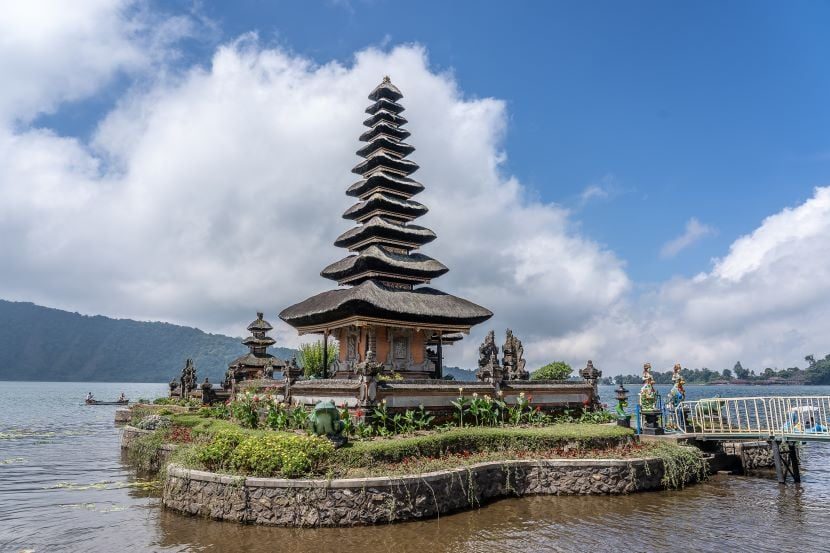
Ketut wiped the sweat from his brow as he watched another tour bus pull away from his family’s traditional craft shop in Ubud, Bali. The German tourists had been asking nervous questions all morning – not about his hand-carved wooden masks or silver jewelry, but about safety. “Is it still okay to travel here?” one elderly woman had whispered, clutching her husband’s arm. “We heard about the conflicts…”
Ketut’s concern wasn’t unique. Across Indonesia’s sprawling archipelago, tourism operators, hotel managers, and local guides are facing the same worried conversations as international tensions in the Middle East send ripples of uncertainty through global travel patterns.
The Indonesian government isn’t taking these concerns lightly. As geopolitical conflicts escalate thousands of miles away, Indonesia is proactively strengthening its national tourism security measures to protect both visitors and the industry that employs millions of its citizens.

Indonesia Takes Decisive Action on Tourism Security
Indonesia’s tourism ministry has announced comprehensive security enhancements across all major tourist destinations, from Bali’s beaches to Jakarta’s cultural sites. The initiative comes as global travelers increasingly factor geopolitical stability into their vacation planning decisions.
The country’s approach focuses on visible security improvements while maintaining the welcoming atmosphere that makes Indonesia a top destination for over 16 million annual visitors. Security personnel have been increased at airports, popular tourist areas, and transportation hubs, with special attention to locations frequented by international guests.

We’re not just responding to current events – we’re building a framework that ensures Indonesia remains a safe haven for travelers regardless of global tensions.
— Dr. Sandiaga Uno, Indonesian Minister of Tourism

The enhanced security measures include upgraded surveillance systems, improved coordination between local and national security forces, and specialized training for tourism industry workers on identifying and reporting potential security concerns.
What These Security Measures Actually Mean for Travelers
The practical changes visitors will notice are designed to be reassuring rather than intrusive. Here’s what Indonesia is implementing across its tourism infrastructure:

| Location | Security Enhancement | Visitor Impact |
|---|---|---|
| International Airports | Additional security checkpoints and personnel | Slightly longer processing times |
| Popular Tourist Sites | Increased visible security presence | Enhanced sense of safety |
| Hotels and Resorts | Upgraded screening procedures | More thorough but discrete check-in process |
| Transportation Hubs | Enhanced monitoring systems | Minimal impact on travel times |
| Cultural Sites | Trained security guides | Better informed staff assistance |
The government has also established a 24-hour tourist assistance hotline staffed with multilingual operators who can provide real-time security updates and emergency support. Tourist police units have been expanded in key destinations like Bali, Yogyakarta, and the Gili Islands.
Intelligence sharing between Indonesia and allied nations has been strengthened, allowing for better threat assessment and prevention. This cooperation helps Indonesian authorities stay ahead of potential security issues before they impact tourists.
The key is being proactive rather than reactive. We’re monitoring global situations and adjusting our security posture accordingly, so tourists can focus on enjoying their vacation.
— General Listyo Sigit Prabowo, Indonesian National Police Chief
The Real Impact on Indonesia’s Tourism Industry
These security enhancements come at a critical time for Indonesia’s tourism sector, which contributes over $20 billion annually to the national economy. The industry supports approximately 13 million jobs across the archipelago, from major hotel chains to small family-run guesthouses.
Early indicators suggest the proactive approach is working. Rather than seeing mass cancellations, many tour operators report that international visitors appreciate the transparent security measures. European and Australian tourists, in particular, have expressed relief at Indonesia’s visible commitment to safety.
The ripple effects extend beyond immediate tourist safety. Local communities that depend on tourism income are seeing stabilized bookings, which helps maintain employment for guides, drivers, restaurant staff, and artisans like Ketut in Ubud.
- Hotel occupancy rates have remained stable across major destinations
- International flight bookings show minimal cancellation increases
- Tourist spending patterns continue at normal levels
- Local tourism businesses report maintained confidence from visitors
Tourists aren’t avoiding Indonesia – they’re actually booking more confidently because they see we’re taking their safety seriously.
— Made Arya Wedanta, Bali Tourism Board Director
Looking Ahead: Sustainable Security for Long-term Growth
Indonesia’s strategy extends beyond immediate security concerns to building long-term resilience in its tourism sector. The government is investing in technology infrastructure that can adapt to changing global security landscapes while preserving the authentic cultural experiences that draw millions of visitors annually.
Training programs for tourism industry workers now include security awareness components, ensuring that everyone from hotel receptionists to tour guides can contribute to visitor safety. This distributed approach creates multiple layers of protection without relying solely on law enforcement.
The enhanced security framework also positions Indonesia as a regional leader in tourism safety standards. As other Southeast Asian nations watch Indonesia’s approach, there’s potential for regional cooperation that could benefit travelers throughout the area.
We’re not just protecting our tourists – we’re setting a standard for responsible tourism security that other countries can follow.
— Prof. Arief Yahya, Former Indonesian Tourism Minister
For travelers planning Indonesian vacations, these developments offer reassurance that their safety is a top priority. The measures strike a balance between security and accessibility, ensuring that the warmth and openness that define Indonesian hospitality remain unchanged.
FAQs
Are there any travel restrictions for tourists visiting Indonesia due to Middle East conflicts?
No, Indonesia has not implemented any travel restrictions. The enhanced security measures are preventive steps to ensure continued safe travel.
Will the increased security measures cause significant delays at Indonesian airports?
While there may be slightly longer processing times, the measures are designed to minimize disruption to normal travel schedules.
Do tourists need to take any special precautions when visiting Indonesia now?
Visitors should follow standard travel safety practices and can contact the 24-hour tourist assistance hotline for any security concerns or updates.
Are certain areas of Indonesia more affected by these security measures than others?
The measures are implemented nationwide, with particular focus on high-traffic tourist destinations like Bali, Jakarta, and Yogyakarta.
How can tourists stay updated on security situations while in Indonesia?
The government has established a multilingual tourist assistance hotline and regularly updates official tourism websites with current security information.
Will these security measures affect the cost of traveling to Indonesia?
The security enhancements are government-funded and should not directly impact tourist costs for accommodations or activities.

Leave a Reply