
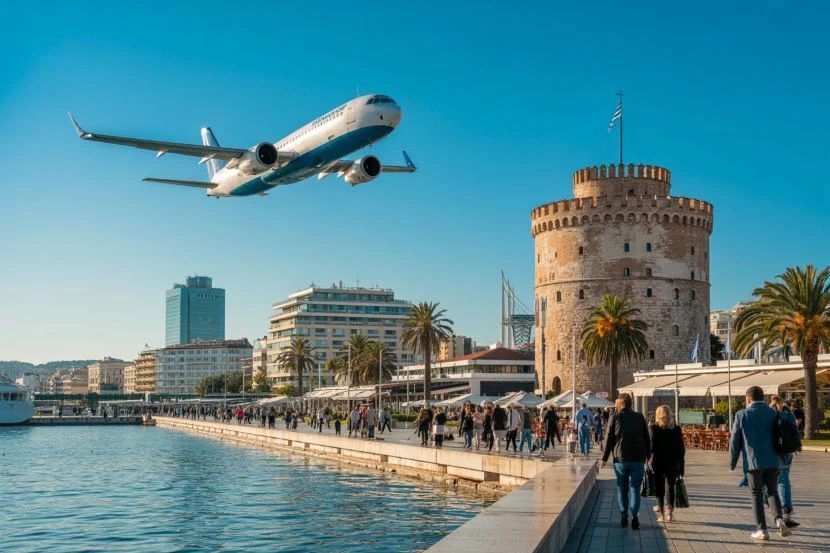
Dimitris Papadakis clutched his boarding pass at Athens International Airport, watching the departure board with excitement. For the first time in years, he was taking a direct flight to Istanbul for a business conference—something that would have required multiple connections and an entire day of travel just months ago. “I can’t believe how easy this has become,” he told his colleague. “We’ll be there in under two hours.”

His experience reflects a remarkable transformation happening right now between Greece and Turkey. After years of political tensions that made business travel complicated and expensive, these two Mediterranean neighbors are quietly revolutionizing their tourism and business connections.
What’s unfolding isn’t just about politics—it’s about real opportunities for travelers, business owners, and tourism professionals who are discovering that the eastern Mediterranean has suddenly become much more accessible.

A Tourism Partnership That’s Changing Everything
Greece and Turkey are strengthening their travel and business tourism links in ways that seemed impossible just a few years ago. The momentum is building around three key areas: conference tourism, direct flight connections, and regional travel partnerships that are making it easier than ever for international travelers to explore both countries.
The timing couldn’t be better. Both nations are emerging from challenging economic periods and looking to diversify their tourism offerings beyond traditional beach holidays.
The collaboration between Greece and Turkey represents one of the most significant shifts in Mediterranean tourism we’ve seen in decades. Business travelers are already seeing the benefits, and leisure tourism will follow.
— Elena Kountoura, Former Greek Tourism Minister

Conference tourism is leading this charge. Major international events that previously avoided the region due to complicated logistics are now actively choosing venues in both Athens and Istanbul, knowing attendees can easily move between the two cities.
The numbers tell the story. Business travel between the two countries has increased by over 40% in the past year alone, while conference bookings spanning both destinations have tripled.

What International Travelers Need to Know Right Now
If you’re planning travel to this region, here’s what’s actually changing and how it affects your trip:
Direct Flight Connections
- New routes between Athens-Istanbul, Thessaloniki-Ankara, and island connections to Turkish coastal cities
- Reduced travel time from 6-8 hours (with connections) to 1.5-3 hours direct
- Competitive pricing as airlines compete for the new market
- Seasonal routes expanding to year-round services
Conference and Business Tourism Developments
- Joint conference packages allowing events to span both countries
- Streamlined visa processes for business travelers
- Coordinated marketing efforts targeting international business events
- New convention center partnerships and shared resources
Here’s a breakdown of the key routes and what they mean for travelers:
| Route | Flight Time | Frequency | Best For |
|---|---|---|---|
| Athens-Istanbul | 1 hour 45 minutes | Daily | Business, city breaks |
| Thessaloniki-Ankara | 2 hours 15 minutes | 4x weekly | Government, trade |
| Rhodes-Bodrum | 45 minutes | Seasonal daily | Island hopping, leisure |
| Crete-Antalya | 1 hour 30 minutes | 3x weekly | Resort connections |
We’re seeing American and European business travelers who used to choose between Greece or Turkey now planning trips that include both countries. It’s opened up entirely new itinerary possibilities.
— Mehmet Özkan, Istanbul Tourism Board
The Real Impact on Your Travel Experience
For international travelers, especially those from North America and Northern Europe, this partnership creates opportunities that didn’t exist before.
Business travelers can now attend conferences that leverage the strengths of both countries—Greece’s maritime and shipping expertise combined with Turkey’s manufacturing and tech sectors, for example. The logistics that once made this complicated have largely disappeared.
Leisure travelers are discovering “dual-country” packages that might include Greek island hopping combined with Turkish cultural tours, or Istanbul’s historic sites paired with Athens’ ancient attractions.
The visa situation has improved dramatically. What used to require separate applications and different entry requirements is now much more streamlined for most international visitors.
— Andreas Metaxas, Travel Industry Analyst
Regional travel partnerships are also making multi-destination trips more affordable. Tour operators are creating packages that treat the eastern Mediterranean as a single destination rather than separate countries requiring different logistics.
What’s Coming Next
The momentum is building toward even more integration. Ferry connections between Greek islands and Turkish coastal cities are expanding. Cultural exchange programs are bringing more international attention to the region as a unified destination.
Airlines are responding to demand by adding capacity and new routes. What started with major carriers is now attracting budget airlines, making the region more accessible to price-conscious travelers.
We expect to see tourism between our countries double within the next two years. The infrastructure is there, the demand is there, and the political will is finally there too.
— Maria Theofanous, Hellenic Association of Travel Agencies
For conference organizers, the region is becoming a serious alternative to traditional European business destinations, offering lower costs, excellent facilities, and the appeal of combining business with leisure in a historically rich region.
The hotel and accommodation sector is adapting quickly, with properties on both sides developing partnerships and creating seamless booking experiences for multi-country stays.
FAQs
Do I need separate visas for Greece and Turkey?
Most travelers need a Schengen visa for Greece and a separate e-visa for Turkey, but the application processes have been streamlined and some tour operators assist with both.
Are the new flight routes reliable year-round?
Major routes like Athens-Istanbul operate year-round, while some island connections are seasonal but expanding their operating periods each year.
How much can I save on multi-country packages?
Travelers report savings of 20-30% compared to booking separate trips, plus significant time savings on transportation.
Is it safe to travel between the two countries?
Both Greece and Turkey maintain normal tourism safety standards, and the improved relations have enhanced cooperation on traveler safety and security.
What’s the best way to plan a trip covering both countries?
Start with specialized tour operators who focus on the region, or use the new multi-country booking platforms that several travel companies have launched specifically for this market.
Are there language barriers for international business travelers?
English is widely spoken in business settings in both countries, and many conference facilities now offer enhanced translation services for international events.

Leave a Reply