
Elias adjusted his camera lens as he watched a group of tourists emerge from a designer boutique, their arms laden with shopping bags, chatting excitedly about their next stop. But instead of heading to another store, they were walking toward what looked like a pop-up concert stage in the middle of the shopping district.
“This isn’t just shopping anymore,” he murmured to his travel companion. “This whole place feels like a festival.”
What Elias was witnessing in Metzingen, Germany, represents a fascinating shift in how outlet shopping destinations are reinventing themselves. Gone are the days when discount shopping centers simply offered rows of stores with reduced prices. Today’s savvy travelers expect experiences, entertainment, and reasons to stay longer than a quick shopping trip.

Metzingen’s Bold Transformation Into a Tourism Destination
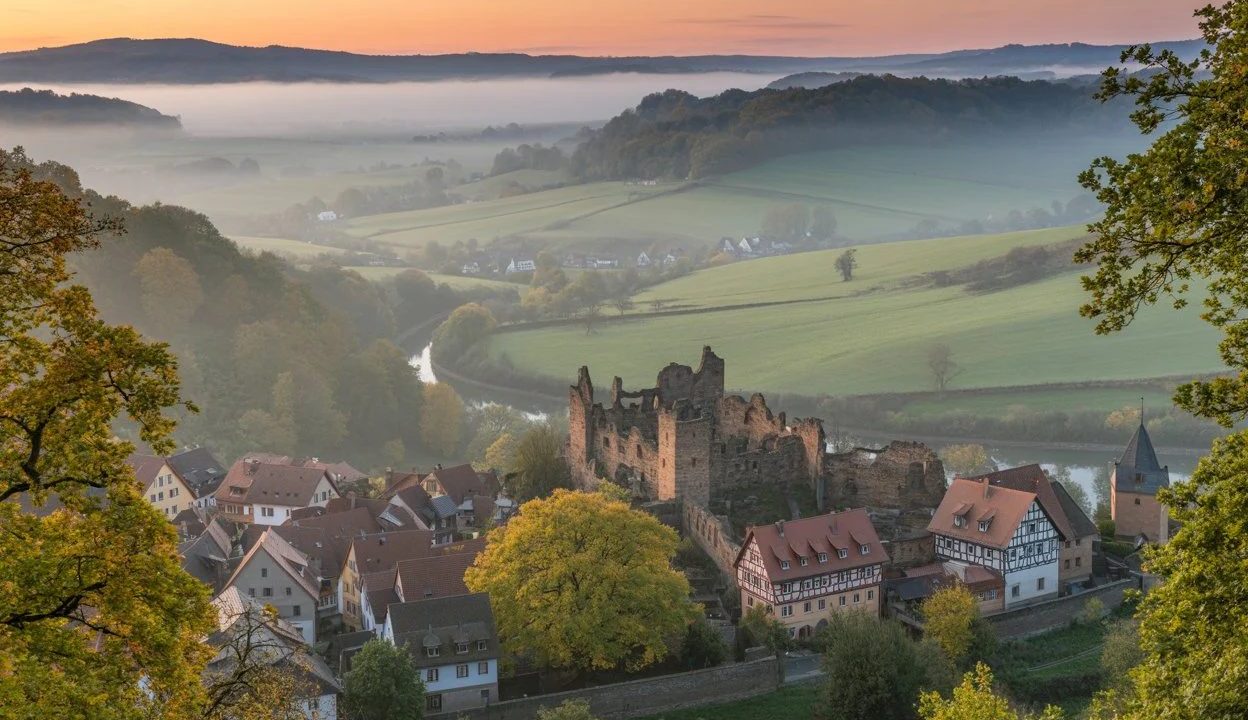
Outletcity Metzingen has become Germany’s most ambitious example of this evolution. Located about 30 kilometers south of Stuttgart, this outlet shopping destination has systematically transformed itself from a simple discount shopping area into what tourism experts are calling a “retail resort.”
The transformation didn’t happen overnight. Over the past few years, Metzingen has invested heavily in creating experiences that extend far beyond traditional shopping. The strategy centers on one key insight: modern tourists want to feel like they’re discovering something unique, not just visiting another mall.
We realized that people travel differently now. They want Instagram-worthy moments, cultural experiences, and stories to tell when they get home. Shopping alone wasn’t enough anymore.
— Klaus Weber, Tourism Development Specialist
The numbers support this approach. Visitor spending has increased by 35% over the past two years, with tourists now staying an average of 2.3 days instead of making day trips. More importantly, international visitors now make up 60% of all tourists, compared to just 40% three years ago.
What Makes Metzingen Different: Events, Food, and Experiences
The secret to Metzingen’s success lies in its comprehensive approach to hospitality. Rather than treating shopping as the main attraction, the destination now positions retail as just one element of a broader travel experience.
Here’s what visitors can expect beyond the outlets:
- Seasonal Festival Programming: Monthly events ranging from wine tastings to fashion shows
- Culinary Experiences: Pop-up restaurants featuring local Swabian cuisine alongside international options
- Cultural Integration: Walking tours that connect the outlet area with Metzingen’s historic town center
- Extended Shopping Hours: Late-night shopping events with live music and food trucks
- Family-Friendly Activities: Children’s workshops, playground areas, and family rest zones
The hospitality expansion includes partnerships with local hotels, many of which now offer “shop and stay” packages. These packages typically include shopping vouchers, guided tours, and dining credits at local restaurants.
| Experience Type | Frequency | Average Duration | Visitor Rating |
|---|---|---|---|
| Fashion Shows | Twice monthly | 45 minutes | 4.6/5 |
| Wine Tastings | Weekly | 90 minutes | 4.8/5 |
| Cultural Tours | Daily | 2 hours | 4.4/5 |
| Food Festivals | Monthly | Full day | 4.7/5 |
| Live Music Events | Bi-weekly | 2-3 hours | 4.5/5 |
The genius of what they’re doing is making shopping feel incidental. You come for the experience and end up buying things you didn’t even know you wanted.
— Dr. Anna Hoffmann, Retail Tourism Researcher
The Economic Impact: More Than Just Shopping Revenue
The expansion strategy has created ripple effects throughout the region. Local restaurants report 40% increases in dinner reservations, while nearby hotels have seen occupancy rates climb to 85% during peak shopping seasons.
The economic benefits extend beyond tourism dollars. The enhanced programming has created approximately 200 new jobs in hospitality, event management, and cultural programming. Local artisans and food producers have found new markets through the outlet’s vendor programs.
International visitors, particularly from Switzerland, France, and the Netherlands, now represent the fastest-growing segment. These tourists typically spend 60% more per visit than domestic shoppers and are more likely to return within the same year.
We’re seeing people plan their vacations around our event calendar. That’s when you know you’ve succeeded in creating something special.
— Maria Schneider, Visitor Experience Manager
What This Means for the Future of Retail Tourism
Metzingen’s success is being closely watched by outlet destinations across Europe and beyond. The model demonstrates that retail tourism can thrive when shopping centers think like destination resorts rather than traditional malls.
The approach addresses several challenges facing modern retail. Physical stores must compete with online shopping by offering experiences that can’t be replicated digitally. Meanwhile, tourism destinations need to differentiate themselves in an increasingly crowded marketplace.
For travelers, this evolution means outlet shopping trips can now justify longer stays and higher budgets. Instead of feeling like a compromise or a purely practical activity, discount shopping becomes part of a broader cultural and social experience.
The model also creates more sustainable tourism. Rather than attracting visitors for single-day shopping marathons, Metzingen encourages slower, more immersive travel that benefits the broader community.
This is the future of retail tourism. People want to shop, eat, learn, and be entertained all in one place. The destinations that understand this will thrive.
— Thomas Mueller, European Tourism Strategy Consultant
Other outlet destinations are already adapting similar strategies. Roermond in the Netherlands has introduced cultural programming, while Fidenza Village in Italy has expanded its hospitality offerings. The trend suggests that the line between shopping destinations and resort experiences will continue to blur.
For Metzingen specifically, future plans include expanding accommodation options, developing partnerships with regional attractions, and creating seasonal programming that gives visitors reasons to return throughout the year.
The transformation of Outletcity Metzingen represents more than a successful business pivot. It demonstrates how traditional retail concepts can evolve to meet changing consumer expectations while creating value for entire communities. As travelers increasingly seek authentic, multi-faceted experiences, destinations that can seamlessly blend commerce, culture, and hospitality will define the future of tourism.
FAQs
How long should I plan to stay in Metzingen?
Most visitors now stay 2-3 days to fully experience both the shopping and cultural programming.
Are the events included with shopping, or do they cost extra?
Many events are free, while specialized experiences like wine tastings typically charge €15-30 per person.
Is Metzingen easy to reach from major German cities?
Yes, it’s 30 minutes from Stuttgart by train and well-connected to other major cities via rail and highway.
Do I need to book events in advance?
Popular events like fashion shows and wine tastings often sell out, so advance booking is recommended.
Are there family-friendly activities beyond shopping?
Absolutely. The destination now includes playgrounds, family workshops, and child-friendly cultural activities.
What’s the best time to visit for the full experience?
Spring through fall offers the most diverse programming, with outdoor events and seasonal festivals running regularly.

Leave a Reply