
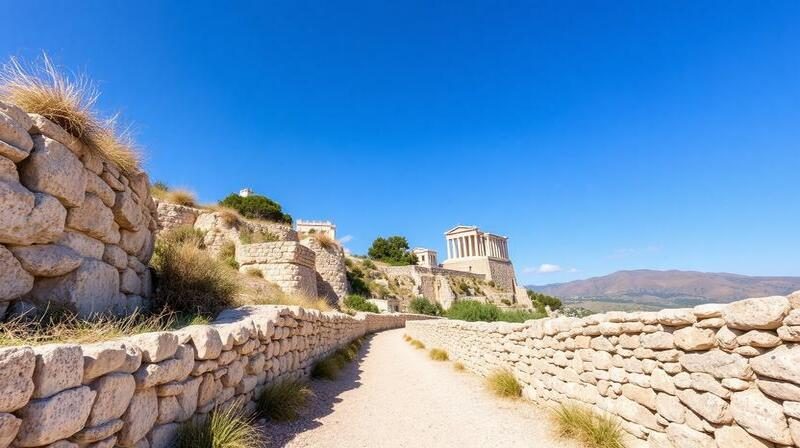
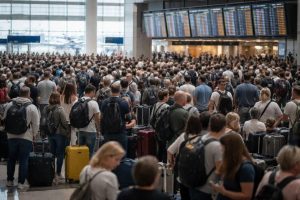
Dimitris stared at the pristine beaches of Santorini through his hotel window, watching cruise ship passengers flood the narrow streets below. “This isn’t the Greece my grandfather told me about,” he muttered to his wife, Eleni. They had saved for three years to visit his ancestral homeland, only to find themselves competing with thousands of tourists for a glimpse of authentic Greek culture.
What Dimitris didn’t know was that just a few weeks later, he could have experienced an entirely different Greece—one that’s now actively promoting off-peak travel to preserve its authentic charm while offering visitors like him the genuine cultural immersion they’re seeking.
This scene is playing out across Europe as countries fundamentally reshape how they approach tourism, moving away from the overcrowded summer rush toward sustainable, authentic travel experiences.
Europe’s Tourism Revolution: Why Countries Are Saying No to Peak Season Chaos
Greece has officially joined the growing movement of European nations embracing off-peak, sustainable tourism. Following in the footsteps of Italy, Spain, France, and Germany, the Mediterranean nation is implementing comprehensive strategies to distribute tourist flows throughout the year while promoting greener travel options.
The shift represents a dramatic departure from traditional tourism models that concentrated visitor arrivals during peak summer months. Instead, these countries are discovering that off-season travel offers superior experiences for visitors while providing more sustainable economic benefits for local communities.

We’re seeing a fundamental change in how travelers want to experience Europe. They’re seeking authenticity over Instagram moments, and that’s driving demand for off-peak experiences.
— Dr. Maria Komnenos, European Tourism Research Institute
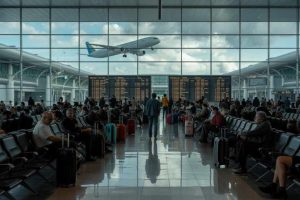
This transformation isn’t happening in isolation. Long-haul tourists, particularly from North America and Asia, are increasingly planning European trips during shoulder seasons. They’re discovering that spring and autumn offer mild weather, lower costs, and genuine cultural interactions that summer’s crowds often prevent.
The movement gained momentum as overtourism reached crisis levels in major European destinations. Venice limiting daily visitors, Barcelona restricting short-term rentals, and Amsterdam discouraging certain tourist demographics all signal a tourism industry in transition.
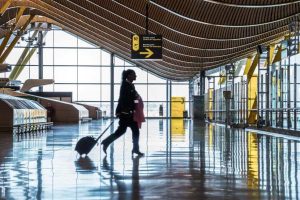
What Off-Peak Travel Really Means for Your European Adventure
The benefits of off-peak European travel extend far beyond avoiding crowds. Here’s what travelers can expect when visiting during shoulder seasons:
- Authentic local interactions: Restaurant owners have time to chat, shopkeepers share neighborhood stories, and cultural sites offer unhurried exploration
- Significant cost savings: Accommodation prices drop 30-60% outside peak season, with flights and dining following similar patterns
- Better weather experiences: Spring temperatures in Greece average 68-75°F, perfect for hiking and outdoor activities without summer’s intense heat
- Enhanced cultural access: Museums, galleries, and historical sites offer guided tours and special exhibitions typically unavailable during busy summer months
- Environmental benefits: Reduced carbon footprint through less crowded transportation and support for sustainable tourism practices
Countries are supporting this shift through targeted incentives. Greece now offers reduced entrance fees to archaeological sites during off-peak months, while Italy provides special cultural programs in smaller cities during shoulder seasons.
Off-peak travelers consistently report higher satisfaction rates. They’re getting the Europe they dreamed about, not the crowded version that peak season often delivers.
— James Mitchell, Sustainable Tourism Consultant
| Country | Best Off-Peak Months | Average Savings | Special Programs |
|---|---|---|---|
| Greece | April-May, September-October | 40-55% | Archaeological site discounts |
| Italy | March-May, September-November | 35-50% | Small city cultural tours |
| Spain | April-June, September-November | 30-45% | Regional gastronomy experiences |
| France | April-June, September-October | 25-40% | Wine harvest participation |
| Germany | April-May, September-October | 20-35% | Christmas market previews |
How This Changes Your European Travel Planning
The shift toward off-peak travel requires different planning strategies, but the rewards justify the adjustment. Smart travelers are discovering that flexibility with travel dates unlocks experiences impossible during traditional peak seasons.
Spring travel in Greece means witnessing wildflower blooms across ancient ruins, while autumn visits offer harvest festivals and comfortable hiking temperatures. Italy’s shoulder seasons provide access to private vineyard tours and cooking classes with local families—experiences often unavailable when tourism peaks.
Long-haul travelers are particularly benefiting from this trend. A two-week European itinerary during off-peak season can cost 40% less than the same trip in July or August, while offering significantly richer cultural experiences.
We’re seeing American and Australian travelers extend their European stays because off-peak pricing makes longer trips affordable. They’re discovering regions they never would have considered during peak season.
— Elena Rossi, European Travel Association
Transportation networks are adapting too. Train companies offer special off-peak passes, while airlines increase direct routes to secondary cities during shoulder seasons. This infrastructure development makes authentic European experiences more accessible than ever.
The environmental impact cannot be overlooked. Off-peak travel reduces strain on local ecosystems, supports year-round employment for tourism workers, and promotes sustainable practices that preserve Europe’s cultural heritage for future generations.
What Travelers Should Know Before Planning Off-Peak European Trips
While off-peak travel offers numerous advantages, successful trips require specific considerations. Weather patterns vary significantly between regions, and some attractions operate on reduced schedules during shoulder seasons.
Research becomes more important when planning off-peak visits. Greek islands may have limited ferry services in early spring, while some German attractions close for maintenance during late autumn. However, countries are addressing these challenges through improved year-round infrastructure and alternative activity programs.
Pack appropriately for variable weather conditions. Spring and autumn temperatures can fluctuate, but modern weather forecasting makes preparation straightforward. The key is embracing seasonal variations as part of the authentic European experience.
Off-peak travelers who do their homework consistently have better experiences than peak-season visitors who assume everything will be available. The planning effort pays off tremendously.
— Roberto Martinez, European Tour Operator
Language barriers may be more noticeable during off-peak seasons in smaller destinations, but this often leads to more meaningful cultural exchanges. Many travelers report that attempting to communicate in local languages during quieter periods creates memorable connections with residents.
The movement toward off-peak, sustainable European travel represents more than a tourism trend—it’s a fundamental shift toward more meaningful, environmentally responsible exploration. As Greece and other European nations continue developing off-peak infrastructure and programs, travelers who embrace shoulder season visits will discover the authentic Europe that mass tourism often obscures.
FAQs
When is the best time to visit Europe for off-peak travel?
April through May and September through October offer the best combination of pleasant weather, reduced crowds, and significant savings across most European destinations.
How much money can I save traveling to Europe during off-peak seasons?
Most travelers save 30-55% on accommodation, dining, and attractions during off-peak periods, with additional savings on flights and transportation.
Are all attractions open during off-peak seasons in Europe?
Most major attractions remain open year-round, though some may have reduced hours or special maintenance periods during shoulder seasons.
What should I pack for off-peak European travel?
Layer-friendly clothing is essential, as spring and autumn temperatures can vary throughout the day. Include a waterproof jacket and comfortable walking shoes.
Is off-peak travel suitable for families with children?
Absolutely. Off-peak travel offers families more space, lower costs, and educational opportunities that crowded peak seasons often prevent.
How do I find off-peak deals and special programs in European countries?
Official tourism websites for each country regularly update off-peak promotions, while travel agents specializing in European destinations can provide current program information.

Leave a Reply