

Elowen pressed her nose against the train window as the Cornish countryside rolled past, her grandmother’s weathered guidebook clutched in her hands. “Nan always said there were secret places here that tourists never find,” she whispered to her partner. The faded pages were filled with handwritten notes about hidden coves and ancient paths that weren’t in any modern travel guide.

This scene will play out thousands of times during English Tourism Week 2026, as travelers rediscover the magic of exploring Britain’s most beloved regions with fresh eyes. Sometimes the greatest adventures lie not in distant lands, but in the hidden corners of places we thought we knew.
English Tourism Week 2026 promises to unveil the secret treasures tucked away in four of England’s most captivating regions: Cornwall, Kent, North Yorkshire, and the North West. While these destinations are hardly unknown, the campaign focuses on the lesser-explored gems that even seasoned travelers often miss.

What Makes This Year’s Tourism Week Special
Unlike previous years that highlighted major attractions, English Tourism Week 2026 takes a deliberately different approach. The initiative encourages visitors to venture beyond the well-trodden paths and discover the authentic character of these regions through their hidden treasures.
Cornwall, famous for its dramatic coastline and seaside towns, harbors secret gardens and forgotten mining villages that tell deeper stories. Kent’s reputation as the “Garden of England” extends far beyond its famous cathedral city, encompassing ancient woodlands and tucked-away vineyards that rival any European destination.

We’re seeing a real shift toward authentic experiences. Travelers want to feel like they’ve discovered something special, not just visited another crowded landmark.
— Rebecca Hartwell, Regional Tourism Director
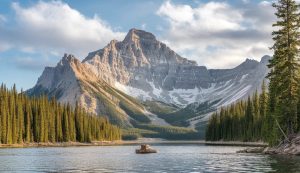
North Yorkshire offers more than just the Yorkshire Dales’ rolling hills. Hidden waterfalls, secret caves, and villages that time forgot await those willing to explore beyond the main routes. Meanwhile, the North West combines industrial heritage with stunning natural beauty in ways that surprise even locals.
Your Guide to Hidden Treasures in Four Remarkable Regions
Each region participating in English Tourism Week 2026 offers distinct experiences that showcase England’s incredible diversity. Here’s what awaits curious travelers:

| Region | Hidden Gems | Best Time to Visit | Special Features |
|---|---|---|---|
| Cornwall | Secret beaches, abandoned tin mines, hidden gardens | Early morning or late afternoon | Dramatic coastal paths, artisan communities |
| Kent | Ancient woodlands, boutique vineyards, historic villages | Spring and early summer | Award-winning wines, medieval architecture |
| North Yorkshire | Hidden waterfalls, secret caves, remote dales | Year-round, each season offers different beauty | Dramatic landscapes, traditional pubs |
| North West | Industrial heritage sites, hidden lakes, mountain villages | Clear weather days for best views | Rich history, diverse landscapes |
Cornwall’s hidden treasures include secluded coves accessible only at low tide and abandoned engine houses that stand as monuments to the region’s mining heritage. These aren’t marked on typical tourist maps, but local guides during Tourism Week will reveal their locations.
The real Cornwall exists in those quiet moments between the waves and the wind. Our hidden spots offer that connection to the land that our ancestors knew.
— Jago Tremaine, Local Heritage Guide
Kent surprises visitors with its sophisticated wine culture and ancient forests that feel like stepping into fairy tales. The county’s hidden vineyards produce award-winning sparkling wines that rival champagne, while its secret woodlands harbor bluebells in spring and golden leaves in autumn.
Practical Tips for Discovering England’s Secret Spots
Making the most of English Tourism Week 2026 requires some insider knowledge and careful planning. Here are the essential strategies for uncovering these regional treasures:
- Start early in the day when hidden spots are most peaceful
- Connect with local tourism offices for insider maps and guides
- Pack appropriate footwear for off-the-beaten-path exploration
- Bring a camera but respect “no photography” requests at sensitive sites
- Support local businesses in small communities you discover
- Follow Leave No Trace principles to preserve these special places
North Yorkshire’s secret waterfalls require short hikes through countryside that changes dramatically with the seasons. Local farmers often provide the best directions, and many hidden gems lie just off public footpaths that have existed for centuries.
The North West combines industrial archaeology with natural beauty in unexpected ways. Former mill towns nestle in valleys that lead to hidden tarns and mountain villages where time seems to move more slowly.
Every region has layers of history waiting to be discovered. The hidden gems often tell the most authentic stories about how people have lived and worked in these landscapes for generations.
— Dr. Margaret Thornfield, Cultural Heritage Specialist
Why These Hidden Gems Matter More Than Ever
English Tourism Week 2026 arrives at a crucial time for regional tourism. While major attractions struggled with overcrowding in recent years, these hidden gems offer sustainable alternatives that benefit local communities directly.
Small villages and remote locations gain economic benefits when visitors discover their unique offerings. Local artisans, family-run pubs, and independent accommodations thrive when tourism spreads beyond major centers.
The environmental impact also differs significantly. Hidden gems typically require walking or cycling to reach, reducing carbon footprints while increasing the sense of discovery and achievement.
When visitors find our hidden waterfall or secret garden, they’ve earned that experience. It means more to them, and they treat these places with greater respect.
— Thomas Weatherby, National Trust Regional Manager
Each region offers different seasonal advantages. Cornwall’s hidden beaches shine in shoulder seasons when crowds disperse. Kent’s secret gardens bloom spectacularly in spring and early summer. North Yorkshire’s hidden dales offer year-round beauty, from snow-covered winter landscapes to summer wildflower meadows.
The North West’s industrial heritage sites gain new meaning when discovered gradually, allowing visitors to understand how landscapes shaped communities and how communities transformed landscapes over centuries.
English Tourism Week 2026 represents more than just another promotional campaign. It’s an invitation to rediscover England through patient exploration and genuine curiosity. These hidden gems reward travelers who take time to look beyond the obvious, offering experiences that feel personal and authentic.
The real treasure isn’t just in finding these secret places, but in understanding how they connect to the larger story of English life, history, and landscape. Whether you’re following ancient footpaths in North Yorkshire or discovering abandoned mines in Cornwall, you’re participating in a tradition of exploration that has shaped these regions for centuries.
FAQs
When is English Tourism Week 2026?
The exact dates haven’t been announced yet, but it typically takes place during spring or early summer when weather conditions are ideal for exploration.
Do I need special equipment to visit these hidden gems?
Most locations require only comfortable walking shoes and weather-appropriate clothing, though some remote spots may need basic hiking gear.
Are these hidden locations suitable for families with children?
Many are family-friendly, but check with local tourism offices about specific sites, as some hidden gems involve challenging walks or terrain.
How can I find out about secret locations during Tourism Week?
Local tourism offices, heritage centers, and participating accommodations will provide special maps and guides during the week.
Will these hidden gems remain accessible after Tourism Week?
Yes, most locations are accessible year-round, though some may have seasonal restrictions or require specific weather conditions for safe access.
Can I visit all four regions during Tourism Week?
While possible, focusing on one or two regions allows for deeper exploration of their hidden treasures and more meaningful experiences with local communities.

Leave a Reply