

Fatima stared at her phone screen in disbelief, reading the notification from Emirates that her upcoming flight to Tehran had been cancelled. She was supposed to visit her elderly mother after two years of separation, and now everything felt uncertain again.
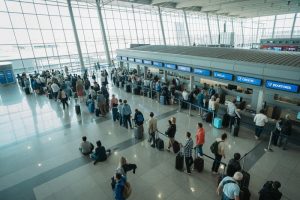
“Not again,” she whispered, thinking about all the regional conflicts that had already disrupted her travel plans multiple times over the past year. What she didn’t realize was that she wasn’t alone – thousands of travelers were receiving similar messages as one of the world’s largest airlines made dramatic operational changes.
Her story reflects a much bigger crisis unfolding across Middle Eastern aviation, where geopolitical tensions are forcing major carriers to make tough decisions that ripple through countless lives.

Emirates Makes Major Flight Cuts Across Volatile Regions
Emirates Airlines has announced significant reductions to its flight operations serving several key destinations amid escalating regional tensions. The Dubai-based carrier is suspending or reducing services to multiple cities across the Middle East and surrounding regions as security concerns mount.
The airline’s decision affects routes to Iran, Iraq, parts of Lebanon, and other destinations where ongoing conflicts pose risks to commercial aviation. This marks one of the most substantial operational adjustments by a major Gulf carrier in recent years.

The safety of our passengers and crew remains our absolute top priority. We continuously monitor global security situations and adjust our operations accordingly.
— Emirates spokesperson
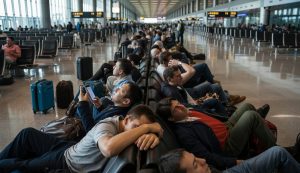
These cuts come as regional tensions have intensified significantly over the past months, creating an increasingly complex operating environment for commercial airlines. The situation has forced carriers worldwide to reassess their Middle Eastern routes.
Emirates operates one of the world’s most extensive international networks, making its route adjustments particularly impactful for global connectivity. The airline serves as a crucial hub linking Asia, Europe, Africa, and the Americas through Dubai.
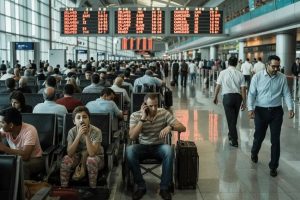
Which Routes Are Being Affected
The flight reductions span multiple critical destinations across the region. Here’s a breakdown of the most significant changes:
| Destination | Previous Frequency | Current Status | Reason |
|---|---|---|---|
| Tehran, Iran | Daily | Suspended | Security concerns |
| Baghdad, Iraq | 10 weekly | Reduced to 5 | Airspace restrictions |
| Beirut, Lebanon | 14 weekly | 7 weekly | Regional instability |
| Damascus, Syria | 7 weekly | Suspended | Ongoing conflict |
The airline is also monitoring situations in other regional destinations and may implement additional changes as circumstances evolve. Passengers with existing bookings are being offered rebooking options or full refunds.
Key factors driving these decisions include:
- Increased military activity in certain airspace corridors
- Insurance cost spikes for flights to high-risk destinations
- Government travel advisories from multiple countries
- Crew safety protocols requiring enhanced security measures
- Airport operational challenges at affected destinations
Airlines are walking a tightrope between maintaining connectivity and ensuring safety. The current regional situation makes this balance extremely challenging.
— Dr. Hassan Al-Mahmoud, Aviation Security Expert
The Ripple Effect on Travelers and Business
These operational changes are creating significant disruptions for different groups of people who depend on these routes for various reasons.
Business travelers face immediate challenges as Emirates served as a primary connector for corporate activities across the region. Many multinational companies rely on Dubai as their regional hub, using Emirates flights to reach subsidiary offices and partners.
Families separated by borders are perhaps feeling the most emotional impact. Thousands of expatriate workers in the Gulf states depend on these routes to visit relatives in Iran, Iraq, and Lebanon. The flight cuts mean longer separation periods or expensive alternative routing through other carriers.
The tourism industry is also taking a hit. Dubai’s position as a stopover destination for travelers heading to these regions means reduced passenger traffic through Dubai International Airport, affecting hotels, restaurants, and other service providers.
We’re seeing travelers scramble to find alternative routes, often paying two or three times more for indirect flights through European or Asian carriers.
— Amira Khalil, Travel Industry Consultant
Medical tourism, which had been growing between Gulf states and countries like Iran, faces particular challenges. Patients who had planned treatments must now navigate complex alternative travel arrangements or postpone medical procedures.
What This Means for the Aviation Industry
Emirates’ decision reflects broader challenges facing Middle Eastern aviation. The region’s airlines have built their business models around connecting global destinations through strategic hub locations, but ongoing conflicts are testing this approach.
Other Gulf carriers are likely monitoring the situation closely and may implement similar measures. Qatar Airways and Etihad have already made selective adjustments to their regional operations in recent months.
The economic implications extend beyond individual airlines. Dubai’s economy heavily depends on its status as a global aviation hub, and sustained route reductions could impact the emirate’s broader economic strategy.
This situation highlights the vulnerability of hub-and-spoke airline models when geopolitical tensions affect key spoke destinations.
— Robert Chen, Airline Industry Analyst
Insurance costs for Middle Eastern routes have increased dramatically, adding financial pressure on top of operational challenges. Airlines must weigh these costs against passenger demand and strategic importance of maintaining connectivity.
The situation also demonstrates how quickly modern aviation must adapt to changing security environments. Airlines now monitor geopolitical developments as closely as they track weather patterns or technical issues.
Looking Ahead: Uncertainty and Adaptation
Emirates has indicated that route resumptions will depend on improvements in regional stability and security conditions. However, predicting when this might occur remains extremely difficult given the complex nature of current conflicts.
The airline is exploring alternative strategies, including potential partnerships with other carriers to maintain some connectivity to affected regions. This could involve codeshare agreements or interline partnerships that allow passengers to reach their destinations through different routing options.
For travelers like Fatima, this means staying flexible and having backup plans. Travel insurance has become more important than ever, and passengers are advised to book refundable tickets when traveling to or through potentially volatile regions.
The broader aviation industry is also adapting by developing more sophisticated risk assessment tools and creating flexible operational procedures that allow for rapid route adjustments when security situations change.
FAQs
Will Emirates resume these cancelled routes soon?
Emirates will restore routes when security conditions improve, but no specific timeline has been announced.
Can I get a refund for my cancelled Emirates flight?
Yes, Emirates is offering full refunds or rebooking options for affected passengers at no additional cost.
Are other airlines still flying to these destinations?
Some carriers continue operating to certain destinations, but many have also reduced frequencies or suspended services.
How can I stay updated on route changes?
Check Emirates’ website regularly and sign up for flight alerts through their mobile app or email notifications.
What alternative routes are available to reach these destinations?
Travelers can consider routing through European hubs like Istanbul, Frankfurt, or Vienna, though this may increase travel time and costs.
Will Emirates expand other routes to compensate?
The airline may increase capacity on unaffected routes, but specific plans haven’t been announced yet.

Leave a Reply