
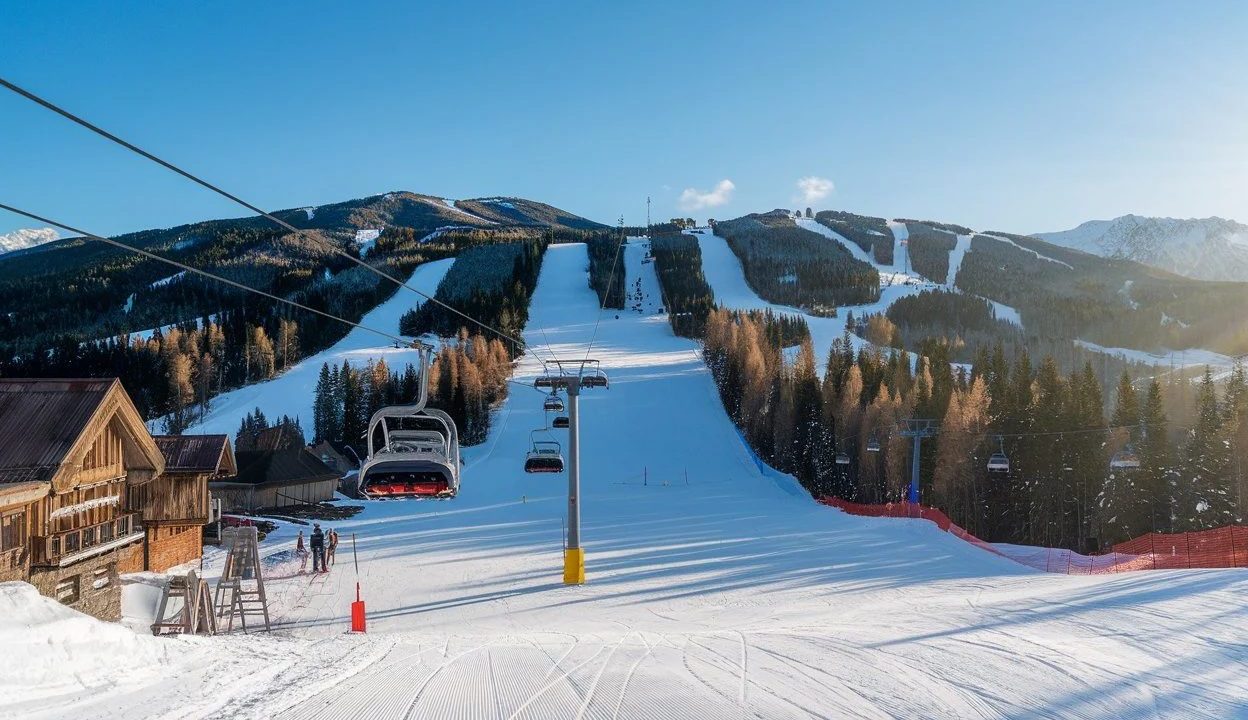
Garrett Mills stared at the bare patches of brown earth cutting through what should have been pristine white slopes at Keystone Resort. The 34-year-old ski instructor from Denver had been looking forward to this spring break trip with his family for months, but now his two young kids were asking why the mountain looked so different from the photos online.

“Dad, where’s all the snow?” his 8-year-old daughter asked, pressing her face against the lodge window. Garrett didn’t have a good answer. Neither did the resort managers scrambling to salvage what’s turning into one of Colorado’s most challenging ski seasons in years.
This scene is playing out across Colorado’s famous ski destinations as an unusually warm winter and minimal snowfall create a perfect storm of disappointment for tourists and financial strain for resort operators.

Colorado’s Snow Crisis Hits Peak Season
Colorado’s ski industry is facing its worst snowfall deficit in over a decade, with many resorts reporting snow depths 40-60% below normal levels. The timing couldn’t be worse, as spring break typically represents one of the most lucrative periods for mountain communities.
Major resorts like Vail, Aspen, and Breckenridge are operating with limited terrain, forcing difficult decisions about which runs to keep open and how to manage increasingly frustrated visitors. Some smaller resorts have already announced early season closures, cutting their losses before operating costs exceed diminishing returns.

We’ve had to close about 30% of our terrain earlier than planned. It’s heartbreaking to turn away families who’ve been planning these trips all year.
— Rebecca Torres, Resort Operations Manager

The snowpack across the Colorado Rockies currently sits at just 65% of historical averages, according to the Natural Resources Conservation Service. February, typically one of the snowiest months, delivered disappointing results with many areas receiving less than half their normal accumulation.
Temperature records haven’t helped either. Denver hit 75 degrees in February, while mountain communities that should be buried under feet of snow experienced unseasonably warm days that melted existing coverage faster than new snow could accumulate.

The Numbers Tell a Stark Story
Resort booking data reveals the immediate impact of poor snow conditions on Colorado’s tourism economy. Cancellations are up dramatically compared to previous years, while new bookings have slowed to a trickle.
| Resort Area | Booking Drop (%) | Terrain Open (%) | Snow Depth vs Normal |
|---|---|---|---|
| Vail/Beaver Creek | -35% | 75% | 58% below |
| Aspen/Snowmass | -42% | 68% | 62% below |
| Breckenridge | -38% | 72% | 55% below |
| Winter Park | -45% | 65% | 67% below |
| Steamboat Springs | -41% | 70% | 59% below |
The financial implications extend far beyond lift ticket sales. Hotels, restaurants, equipment rental shops, and countless other businesses that depend on ski tourism are feeling the pinch. Some estimates suggest the region could lose over $200 million in tourism revenue if conditions don’t improve dramatically.
Families are calling us daily asking about snow conditions before they commit to their trips. We’re having to be honest about what they’ll find when they get here.
— Marcus Chen, Tourism Board Director
Spring break traditionally accounts for 25-30% of annual revenue for many mountain businesses. This year, that crucial income stream is evaporating as families choose alternative destinations or postpone their ski vacations entirely.
Ripple Effects Hit Mountain Communities Hard
The impact goes well beyond disappointed tourists. Seasonal workers who moved to Colorado specifically for ski season jobs are finding their hours cut or positions eliminated entirely. Many of these employees depend on spring break crowds to earn enough money to sustain themselves through the off-season.
Local businesses are implementing emergency measures:
- Restaurants reducing staff hours and menu offerings
- Equipment rental shops offering deep discounts to move inventory
- Hotels providing flexible cancellation policies to retain future bookings
- Ski schools consolidating classes due to lower enrollment
- Retail shops extending winter clearance sales into traditionally busy periods
The psychological impact on resort communities shouldn’t be underestimated either. These towns live and breathe winter sports, and watching their mountains struggle creates a sense of uncertainty about the future.
It’s not just about this season. People are starting to ask bigger questions about climate reliability and whether Colorado can count on consistent winter tourism.
— Dr. Amanda Rodriguez, Tourism Economics Researcher
Some resorts are pivoting quickly, promoting alternative activities like mountain biking, hiking, and scenic chairlift rides. However, these summer-style attractions can’t generate the same revenue density as peak ski season operations.
Looking Ahead: What This Means for Future Seasons
Climate scientists point to this season as potentially indicative of longer-term trends affecting mountain regions across the American West. While individual weather patterns vary year to year, the overall trajectory suggests more frequent low-snow seasons ahead.
Resort operators are already discussing adaptation strategies, including increased snowmaking capabilities, diversified revenue streams, and modified operational calendars. Some are investing heavily in summer activities to reduce dependence on winter weather patterns.
We’re learning to be more flexible and less dependent on natural snowfall alone. The industry has to evolve with changing conditions.
— James Mitchell, Resort Development Consultant
For travelers planning future Colorado ski trips, the message is increasingly clear: flexibility and realistic expectations are essential. Many experts recommend purchasing trip insurance and maintaining backup plans for mountain vacations.
The current situation also highlights the importance of supporting mountain communities during challenging seasons. While the skiing might be limited, these destinations still offer unique experiences and need tourism revenue to survive difficult periods.
As Garrett Mills discovered during his family’s modified spring break trip, sometimes the best memories come from unexpected adventures rather than perfect powder days. His kids ended up enjoying mountain biking and scenic gondola rides, though he admits it wasn’t quite the traditional Colorado ski experience they’d hoped to share.
FAQs
Are Colorado ski resorts still open despite low snow?
Most major resorts remain open but with limited terrain. Check specific resort websites for current conditions and open runs.
Should I cancel my Colorado ski trip this spring?
Consider your flexibility and expectations. Many resorts offer alternative activities, but skiing options may be limited compared to normal years.
Will ski resorts offer refunds for poor conditions?
Policies vary by resort. Some offer credits for future visits or partial refunds, while others maintain standard no-refund policies regardless of snow conditions.
Is this snow shortage temporary or part of a longer trend?
While individual seasons vary, climate data suggests more frequent low-snow years are likely in Colorado’s future due to warming temperatures.
What alternative activities do Colorado mountain towns offer?
Many resorts provide mountain biking, scenic chairlift rides, hiking trails, spas, and cultural attractions that don’t depend on snow conditions.
How can I support mountain communities during low-snow seasons?
Visit anyway and enjoy available activities, dine at local restaurants, shop at mountain retailers, and consider booking future trips to show continued support.

Leave a Reply