
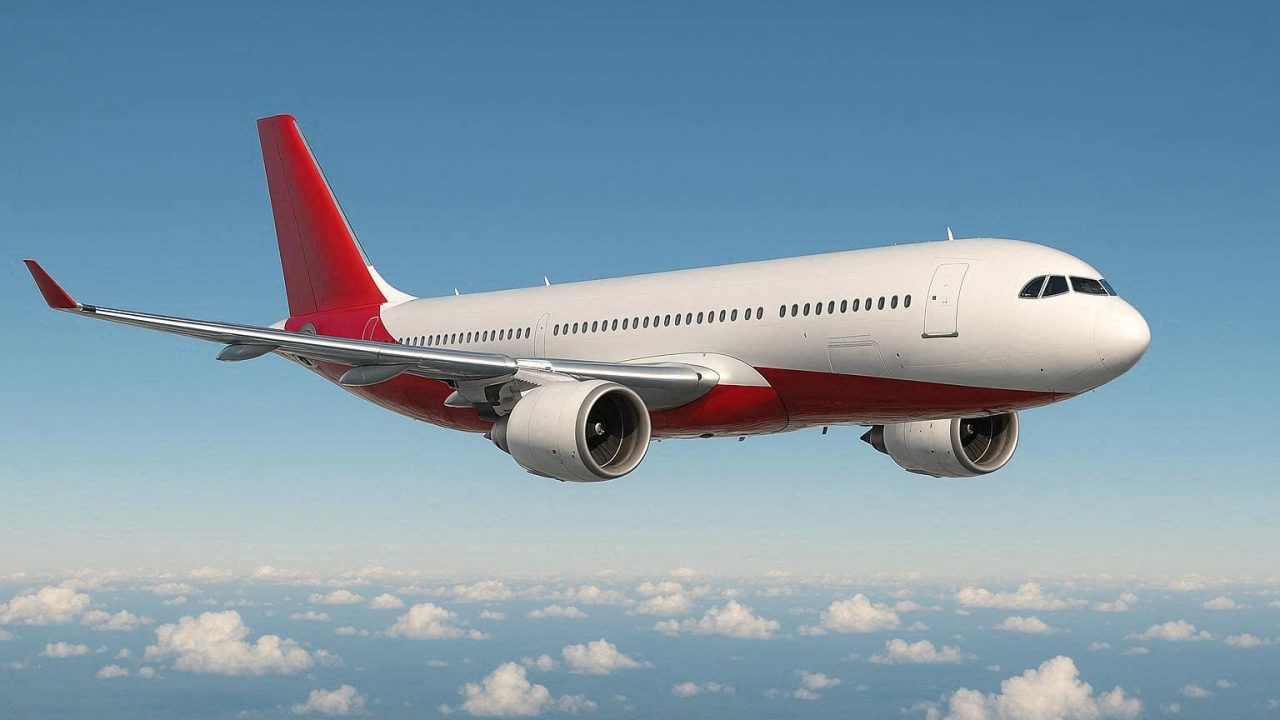
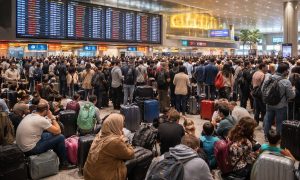
Thaksin was scrolling through his phone at Bangkok’s Suvarnabhumi Airport when the notification popped up on his screen. His connecting flight to Phuket had been delayed indefinitely. Around him, dozens of other passengers were getting the same message, their faces shifting from confusion to concern as airport staff began making announcements about “operational difficulties” at Phuket International Airport.

What Thaksin and thousands of other travelers didn’t know yet was that an Air India Express Boeing 737 MAX had just made a dramatic hard landing at Phuket, with its nose wheels detaching upon impact. The incident would ground flights, strand passengers, and once again put the spotlight on aviation safety in one of Asia’s busiest tourist destinations.
The reality of air travel is that even the smallest mechanical failure can ripple across entire regions, affecting not just the passengers on board, but thousands of others whose journeys suddenly hang in the balance.
What Happened During the Phuket Landing
The Air India Express flight was approaching Phuket International Airport under what appeared to be normal conditions when something went terribly wrong during touchdown. Witnesses on the ground reported seeing the aircraft make contact with the runway harder than usual, followed by visible damage to the aircraft’s nose landing gear.
The nose wheels detached from the aircraft upon impact, creating an immediate emergency situation that required the airport’s full response protocol. Emergency crews rushed to the scene as the pilot worked to bring the damaged aircraft to a safe stop on the runway.

The crew handled the situation professionally, but this type of landing gear failure creates serious safety concerns that require immediate investigation.
— Captain Rajesh Menon, Aviation Safety Expert
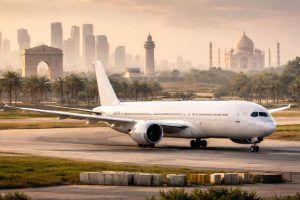
While all passengers and crew members were safely evacuated from the aircraft, the incident effectively shut down Phuket’s main runway for several hours. The damaged Boeing 737 MAX had to be carefully removed from the active runway area, a process that requires specialized equipment and extreme caution.
This wasn’t just about one flight anymore. Phuket International Airport serves as a critical hub for tourism across Thailand and the broader Southeast Asian region, handling hundreds of flights daily during peak season.

The Ripple Effect Across Regional Travel
The immediate impact of the incident extended far beyond the passengers on the affected Air India Express flight. Here’s how the airport disruption unfolded:
| Impact Area | Details | Duration |
|---|---|---|
| Runway Closure | Main runway shut down for aircraft removal | 6+ hours |
| Flight Diversions | Incoming flights redirected to Bangkok and other airports | Throughout day |
| Passenger Impact | Thousands stranded or delayed across multiple airlines | 24+ hours |
| Tourism Disruption | Hotel bookings and tour schedules affected | 2-3 days |
The Boeing 737 MAX’s involvement adds another layer of complexity to this incident. This aircraft model has faced intense scrutiny over the past several years following two fatal crashes that led to a worldwide grounding. While the aircraft has since returned to service after extensive modifications and pilot retraining, any incident involving a 737 MAX draws immediate attention from aviation authorities and the media.
Every 737 MAX incident is closely monitored by aviation authorities worldwide. Even mechanical issues unrelated to the previous problems receive heightened scrutiny.
— Dr. Sarah Chen, Aerospace Engineering Professor
For Air India Express, this incident comes at a particularly challenging time as the airline works to rebuild its reputation and expand its regional operations. The carrier has been investing heavily in fleet modernization and safety protocols, making this kind of mechanical failure especially unwelcome.
Real Impact on Travelers and Tourism
Beyond the immediate safety concerns, this incident highlights the vulnerability of Thailand’s tourism infrastructure to aviation disruptions. Phuket relies almost entirely on air travel to bring in the millions of tourists who visit each year.
Hotels across the island reported sudden waves of cancellations and delayed check-ins as travelers found themselves stuck in Bangkok or other cities. Tour operators had to scramble to reschedule activities, and some visitors ended up cutting their trips short rather than dealing with the uncertainty.
- Over 50 flights were delayed or cancelled on the day of the incident
- Approximately 8,000 passengers experienced travel disruptions
- Hotel occupancy rates dropped by 15% for the following week
- Economic impact estimated at over $2 million in lost tourism revenue
The incident also raised questions about emergency response procedures at one of Thailand’s busiest airports. While the immediate response was effective in ensuring passenger safety, the extended runway closure highlighted potential areas for improvement in rapid aircraft recovery operations.
Airport emergency response teams performed well, but the lengthy runway closure shows we need better equipment for faster aircraft removal in these situations.
— Admiral Prasert Sirisakul, Former Aviation Authority Director
For frequent travelers to the region, this incident serves as a reminder of why travel insurance and flexible booking policies matter. Many passengers found themselves facing unexpected hotel costs, rebooking fees, and extended stays that could cost hundreds or thousands of dollars.
Looking Forward: Safety and Prevention
The investigation into what caused the hard landing and subsequent nose gear failure is ongoing. Preliminary reports suggest that weather conditions were within normal parameters, pointing to either mechanical issues or pilot error as potential factors.
Air India Express has grounded the affected aircraft pending a full investigation and has cooperated fully with Thai aviation authorities. The airline has also arranged alternative transportation for affected passengers and provided accommodation for those stranded overnight.
We’re committed to understanding exactly what happened and taking any necessary steps to prevent similar incidents in the future.
— Spokesperson, Air India Express
For the aviation industry, this incident adds to ongoing discussions about landing gear design, pilot training for hard landing scenarios, and airport emergency response capabilities. While such incidents remain rare, each one provides valuable lessons for improving overall aviation safety.
The tourism industry in Phuket has shown remarkable resilience over the years, bouncing back from everything from natural disasters to global pandemics. This latest disruption, while significant, is likely to be a temporary setback rather than a long-term problem for the destination.
FAQs
Were there any injuries in the Air India Express hard landing?
No, all passengers and crew members were safely evacuated with no reported injuries.
How long was Phuket Airport closed after the incident?
The main runway was closed for approximately 6 hours while the damaged aircraft was removed.
Is the Boeing 737 MAX safe to fly?
Yes, the 737 MAX returned to service after extensive safety modifications and is considered safe by aviation authorities worldwide.
What caused the nose wheels to detach?
The investigation is ongoing, but the detachment occurred due to the force of the hard landing on the runway.
How many flights were affected by the airport closure?
Over 50 flights were delayed or cancelled, affecting approximately 8,000 passengers.
Will this affect future Air India Express flights to Phuket?
The airline continues to operate flights to Phuket, though the specific aircraft involved remains grounded for investigation.

Leave a Reply