

Marcus felt his stomach drop as he read the email notification on his phone during his lunch break. The message appeared to be from Etihad Airways, confirming a refund of $2,847 for a flight he’d never booked. Within minutes, his credit card company was calling about suspicious activity. What seemed like a lucky mistake quickly turned into a nightmare that would take months to resolve.
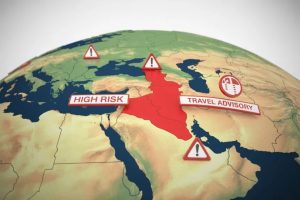
Stories like Marcus’s are becoming alarmingly common as sophisticated fraud schemes target unsuspecting travelers worldwide. This week, Abu Dhabi Police and Etihad Airways issued an urgent global warning about a complex refund fraud operation that’s already affected thousands of victims across multiple continents.
The warning comes as fraudsters have developed increasingly clever methods to exploit both airline refund systems and personal financial information, creating a perfect storm of identity theft and financial fraud.

How This Elaborate Scam Actually Works
Unlike simple email phishing attempts, this fraud operation involves multiple sophisticated steps that make it particularly dangerous. Criminals are using stolen personal information to book legitimate flights, then immediately requesting refunds to different payment methods.
The scheme works by exploiting the gap between when airlines process refunds and when banks verify account ownership. During this window, fraudsters can redirect funds to accounts they control, leaving victims to deal with unauthorized charges and identity theft issues.

We’re seeing a level of coordination and technical sophistication that we haven’t encountered before in travel-related fraud. These aren’t random scammers – this is organized criminal activity.
— Detective Sarah Al-Mahmoud, Abu Dhabi Police Cybercrime Division

What makes this particularly troubling is how legitimate the initial transactions appear. Victims often don’t realize they’ve been targeted until weeks later, when credit card statements arrive or unusual account activity triggers bank alerts.
Red Flags Every Traveler Needs to Recognize
The warning from authorities includes specific indicators that travelers should watch for immediately. These red flags can help you identify if you’ve become a target before significant financial damage occurs.

Here are the key warning signs to monitor:
- Unexpected flight confirmation or cancellation emails from airlines you haven’t contacted
- Refund notifications for trips you never booked
- Credit card charges from travel companies followed quickly by refund credits
- Multiple small airline-related transactions appearing on bank statements
- Phone calls from airlines about bookings you didn’t make
- Emails requesting verification of refund payment methods
| Fraud Stage | What Happens | Timeline | Victim Impact |
|---|---|---|---|
| Initial Booking | Criminals use stolen data to book flights | Day 1 | Unauthorized charges appear |
| Refund Request | Immediate cancellation with refund to different account | Day 1-2 | Confusing credits and debits |
| Fund Diversion | Money redirected to criminal accounts | Day 3-7 | Funds permanently lost |
| Discovery | Victim realizes fraud occurred | Week 2-4 | Complex recovery process begins |
The timing is everything in these scams. By the time most people notice something’s wrong, the money has already been moved through multiple accounts and becomes nearly impossible to recover.
— James Richardson, Etihad Airways Security Director
Who’s Being Targeted and Why
The fraud operation isn’t randomly targeting travelers. Investigators have identified specific patterns in victim selection that reveal the calculated nature of these crimes.
Frequent business travelers appear to be primary targets, likely because their regular travel patterns make suspicious bookings less noticeable initially. Additionally, people who’ve recently made legitimate airline purchases are being targeted, suggesting criminals are accessing recent transaction databases.
The geographic spread is concerning authorities most. Cases have been reported across North America, Europe, Asia, and the Middle East, indicating a coordinated international operation rather than isolated regional activity.
What we’re seeing suggests these criminals have access to multiple airline booking systems and customer databases. This isn’t opportunistic fraud – it’s systematic and well-organized.
— Dr. Lisa Chen, Cybersecurity Research Institute
Young professionals in their 20s and 30s represent nearly 40% of reported victims, possibly because this demographic frequently books travel online and may be less likely to immediately notice unusual account activity.
Immediate Steps to Protect Yourself
Both Abu Dhabi Police and Etihad Airways are recommending specific protective measures that all travelers should implement immediately, regardless of recent travel plans.
The most critical step is enabling real-time notifications for all credit cards and bank accounts. Many victims could have prevented significant losses if they’d received immediate alerts about unusual transactions.
Additionally, experts recommend creating a separate credit card exclusively for travel purchases. This isolation makes it easier to spot fraudulent activity and limits potential damage to your primary financial accounts.
Regular monitoring of airline loyalty program accounts is also essential. Criminals are sometimes using compromised frequent flyer accounts to book flights, making the fraud even harder to detect initially.
Don’t wait for your monthly statement. Check your accounts weekly, especially after any travel-related purchases. Early detection is your best defense against these sophisticated schemes.
— Captain Ahmed Al-Rashid, Abu Dhabi Police Financial Crimes Unit
What Airlines and Authorities Are Doing
The joint warning represents unprecedented cooperation between law enforcement and the airline industry. Etihad Airways has implemented enhanced verification procedures for all refund requests, including additional identity confirmation steps.
Abu Dhabi Police are working with international partners to track the criminal networks involved. They’ve already identified several money laundering operations connected to the travel fraud scheme.
Other major airlines are now reviewing their refund processes and implementing similar security measures. The goal is to close the verification gaps that criminals have been exploiting.
However, authorities emphasize that consumer vigilance remains the most effective protection. Even the best security systems can’t prevent fraud if criminals have already obtained personal financial information through other means.
FAQs
What should I do if I receive an unexpected airline refund notification?
Contact the airline directly using official phone numbers, not contact information from the suspicious email. Verify whether any bookings were actually made in your name.
How quickly do I need to report suspected travel fraud?
Report it immediately to your bank, credit card company, and local police. Most financial institutions have 24-hour fraud reporting hotlines for urgent situations.
Can airlines be held responsible for refund fraud losses?
Liability depends on where the security breach occurred. If criminals used stolen credit card information, your card issuer typically provides fraud protection rather than the airline.
Should I avoid booking flights online until this is resolved?
Online booking is still safe if you use secure networks and official airline websites. Avoid booking flights on public Wi-Fi or through unfamiliar third-party sites.
How can I tell if a travel refund email is legitimate?
Check the sender’s email address carefully, look for spelling errors, and verify any booking reference numbers directly with the airline before taking any action.
What information do criminals need to execute this type of fraud?
They typically need your name, credit card details, and sometimes passport information. This data is often obtained through previous data breaches or phishing attempts.

Leave a Reply