
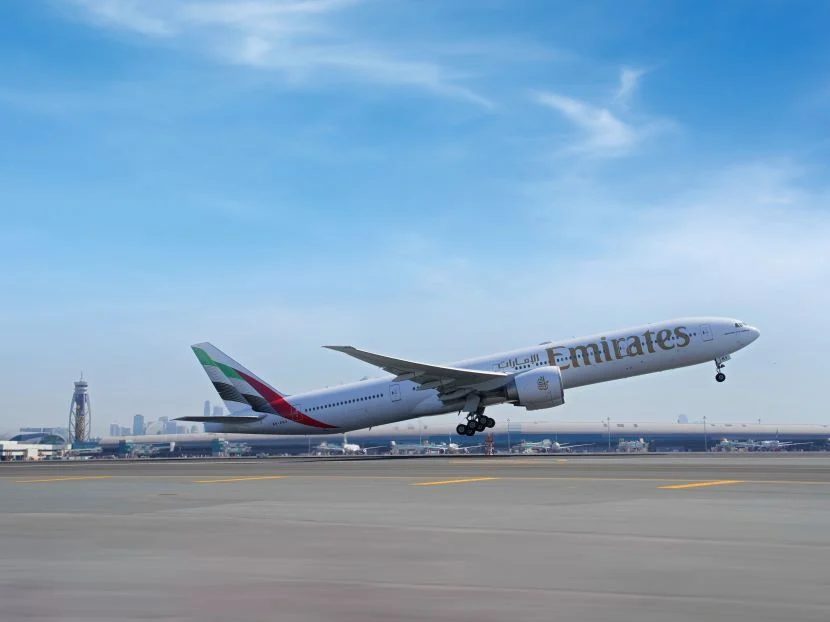
Fatima Al-Rashid stared at the departure board in disbelief, her two young children tugging at her abaya as their flight status changed from “Delayed” to “Cancelled” for the third time in 48 hours. What was supposed to be a joyful family reunion in London had turned into a living nightmare at Dubai International Airport.
“Mama, when are we going to see Grandma?” her 7-year-old son whispered, exhaustion evident in his voice. Fatima had no answer. Like hundreds of other families, they were caught in an unprecedented travel crisis that would expose serious flaws in one of the world’s most prestigious airlines.
This wasn’t just another flight delay. This was Emirates Airlines failing its passengers in ways that would make international headlines and raise serious questions about passenger rights in the UAE.
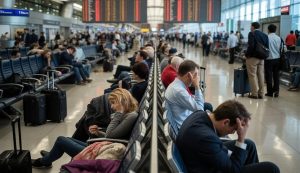
When the World’s “Best” Airline Leaves You Stranded
Emirates, the Dubai-based carrier that has built its reputation on luxury and reliability, found itself at the center of a massive operational breakdown that left thousands of passengers stranded across multiple airports. The crisis began during a particularly busy travel season when a combination of technical issues, staffing shortages, and severe weather created what industry experts are calling a “perfect storm.”
But this story isn’t just about cancelled flights. It’s about how one of the world’s most celebrated airlines handled the crisis – or rather, how it failed to handle it. Families like Fatima’s were left sleeping on airport floors, struggling to get basic information, and watching their vacation budgets drain away on overpriced airport food and emergency accommodation.

The way Emirates handled this crisis was completely unacceptable. Passengers were treated like cargo, not human beings with real needs and emotions.
— Sarah Mitchell, Aviation Consumer Rights Advocate

The breakdown wasn’t limited to Dubai. Emirates flights across Europe, Asia, and North America experienced massive delays and cancellations, creating a domino effect that trapped passengers in airports from London Heathrow to New York JFK.
The Numbers Tell a Devastating Story
The scale of Emirates’ operational failure becomes clear when you look at the hard data. Here’s what passengers faced during the worst 72-hour period:

| Impact Category | Numbers |
|---|---|
| Flights Cancelled | Over 200 flights |
| Passengers Affected | Approximately 85,000 |
| Average Delay Time | 18-36 hours |
| Compensation Claims Filed | 12,000+ |
| Hotels Fully Booked | 95% in Dubai area |
The financial impact on passengers was staggering. Many families spent thousands of dollars on emergency accommodation, meals, and rebooking fees with other airlines. Business travelers missed crucial meetings, while honeymooners watched their dream vacations evaporate.
Key issues that emerged during the crisis included:
- Complete breakdown of customer service communication
- Inadequate compensation for stranded passengers
- Lack of alternative accommodation arrangements
- Confusing and contradictory information from airline staff
- Excessive wait times for rebooking assistance
- Limited meal vouchers despite extended delays
I’ve been covering aviation disasters for 20 years, but this operational breakdown was particularly shocking because it came from an airline known for excellence.
— Marcus Thompson, Aviation Industry Analyst
Real Families, Real Consequences
Behind every cancelled flight was a human story. Elderly passengers with medical conditions were forced to sleep on hard airport benches. Young families burned through their vacation savings just trying to survive the ordeal. Business travelers faced career consequences for missing important meetings.
One particularly heartbreaking case involved the Patel family from Mumbai, who had saved for two years to take their children to Disney World. Their Emirates flight was cancelled three times, and by the time they finally reached Orlando, half their vacation was over and their budget was exhausted.
Medical emergencies became a serious concern as passengers with chronic conditions struggled to access their medications during extended airport stays. Dubai’s extreme heat made outdoor waiting areas unbearable, while indoor spaces became overcrowded and unsanitary.
The human cost of this crisis goes far beyond money. Families lost precious time together, children missed school, and elderly passengers faced serious health risks.
— Dr. Amira Hassan, Travel Medicine Specialist
What Went Wrong and Why It Matters
Industry investigators point to several critical failures that turned routine operational challenges into a full-scale passenger nightmare. Emirates’ crisis management protocols appeared inadequate for handling the scale of disruption, while communication systems failed to provide passengers with accurate, timely information.
The airline’s compensation policies also came under intense scrutiny. While European regulations require substantial compensation for flight delays and cancellations, passengers traveling through Dubai found themselves navigating a complex web of international laws with varying levels of protection.
This crisis has broader implications for the aviation industry. It highlights the vulnerability of hub-and-spoke airline models, where problems at a central airport can cascade into global disruptions. It also raises questions about passenger rights in international travel, where jurisdiction and applicable laws can be confusing.
This incident should serve as a wake-up call for the entire industry. Airlines need robust contingency plans that prioritize passenger welfare, not just operational efficiency.
— Captain James Rodriguez, Former Commercial Pilot
The reputational damage to Emirates may take years to repair. Social media was flooded with passenger complaints, photos of families sleeping on airport floors, and videos of frustrated travelers confronting airline staff. The hashtag #EmiratesNightmare trended globally for several days.
Moving Forward: Lessons and Changes
The Emirates crisis has prompted calls for stronger international passenger protection standards and better crisis management protocols. Consumer advocacy groups are pushing for mandatory compensation regardless of where flights originate, while industry regulators are examining whether current rules adequately protect travelers.
For future travelers, this incident serves as a stark reminder of the importance of comprehensive travel insurance and the risks of booking with any single airline for complex itineraries. It also highlights the need for passengers to understand their rights under different international aviation regulations.
Emirates has promised a complete review of its operational procedures and customer service protocols. However, for the thousands of passengers who lived through this nightmare, those promises may ring hollow without significant structural changes and meaningful compensation.
FAQs
What caused the Emirates flight disruptions?
A combination of technical issues, staffing shortages, and severe weather created operational breakdowns that cascaded into massive delays and cancellations.
Are passengers entitled to compensation for these delays?
Compensation depends on your departure location and applicable regulations. EU passengers may be entitled to substantial compensation under EU261 rules.
How can travelers protect themselves from similar situations?
Purchase comprehensive travel insurance, understand your passenger rights, and consider booking flexible tickets during peak travel periods.
Has Emirates improved its crisis management since this incident?
The airline has promised procedural reviews and improvements, but passengers should research current policies before booking.
What should passengers do if they experience similar treatment?
Document everything, keep receipts for expenses, file formal complaints with the airline, and consider contacting consumer protection agencies.
Could this happen with other major airlines?
Yes, any airline can experience operational breakdowns. The key difference is how well they handle crisis communication and passenger care during disruptions.
Leave a Reply