
The elderly shopkeeper’s weathered hands trembled slightly as he lifted the small chunk of golden resin to his nose, inhaling deeply. “My grandfather sold frankincense from this same stall,” Khalil whispered to the curious tourist. “But now, they say the government wants to build hotels where the ancient caravans once rested.” His eyes reflected both pride and uncertainty as he gazed toward the distant mountains where his ancestors had harvested the precious “tears of the gods” for over 4,000 years.

This scene, playing out across southern Oman today, captures the heart of one of the Middle East’s most ambitious tourism projects. The sultanate is betting hundreds of millions of dollars on transforming the legendary frankincense trade routes into luxury travel destinations, hoping to diversify its economy while preserving its ancient heritage.
For centuries, these routes connected the frankincense groves of Dhofar to markets in Rome, Jerusalem, and beyond, making traders wealthy and kingdoms powerful. Now, Oman believes these same paths can attract a new kind of wealth—high-spending tourists seeking authentic experiences in an increasingly artificial world.
Oman’s Bold Vision for Ancient Trade Routes
The Omani government has unveiled plans to invest over $500 million in developing the frankincense route as a world-class tourism corridor. This isn’t just about building hotels—it’s about creating an entire ecosystem that tells the story of one of history’s most valuable commodities.
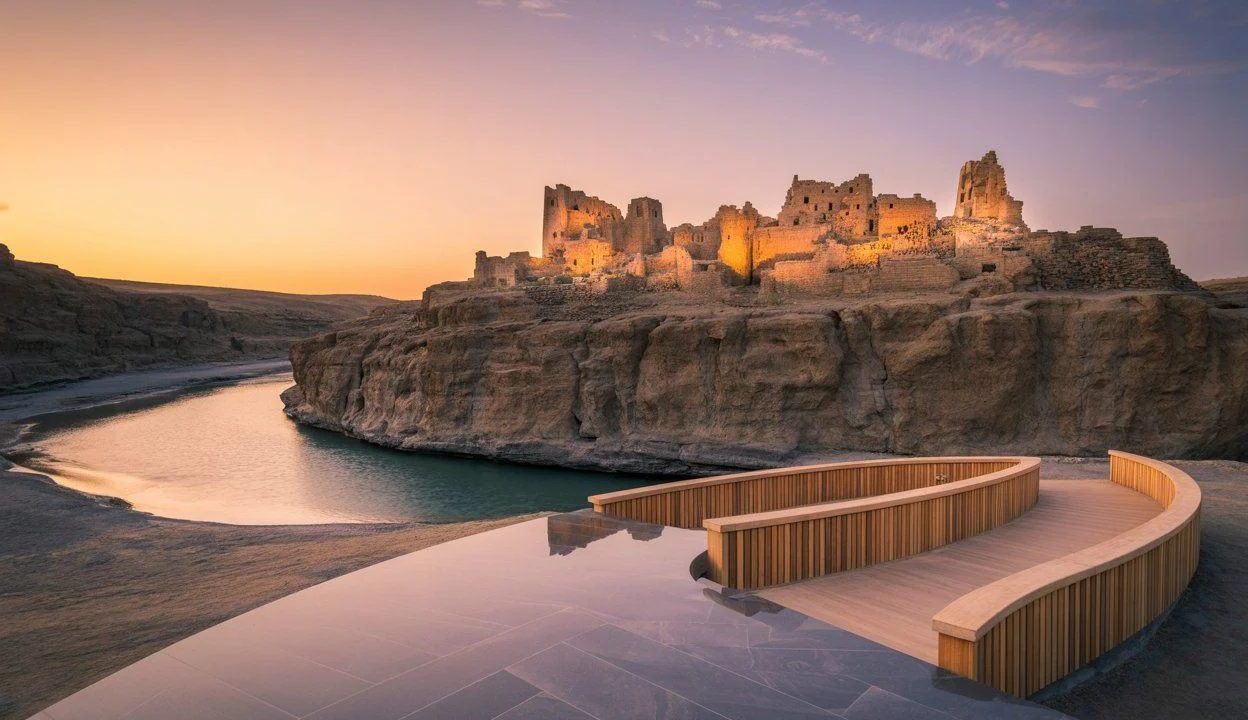
The initiative focuses on four UNESCO World Heritage sites along the ancient route: the frankincense trees of Wadi Dawkah, the archaeological remains of Shisr (the legendary lost city of Ubar), and the historic ports of Khor Rori and Al-Baleed. Each location will receive significant infrastructure upgrades while maintaining strict archaeological and environmental protections.

This project represents our commitment to sharing Oman’s incredible history with the world while creating sustainable economic opportunities for local communities.
— Dr. Salim Al-Mahrouqi, Oman Ministry of Tourism
The development includes luxury eco-lodges positioned strategically along the route, state-of-the-art visitor centers with immersive experiences, and carefully planned hiking and camel trekking trails that follow the original caravan paths.
What Makes This Investment So Significant
The numbers behind Oman’s frankincense route project reveal the scale of this ambitious undertaking:
| Investment Category | Amount (USD) | Timeline |
|---|---|---|
| Infrastructure Development | $200 million | 2024-2027 |
| Luxury Accommodations | $180 million | 2025-2028 |
| Heritage Site Preservation | $75 million | 2024-2026 |
| Marketing & Promotion | $45 million | 2024-2030 |
The project’s key features include:
- Twelve luxury desert camps and eco-lodges designed to blend with the natural landscape
- Interactive museums showcasing frankincense’s role in ancient trade and modern perfumery
- Guided experiences led by local Dhofari families who still harvest frankincense traditionally
- Helicopter and 4WD tours connecting all major sites along the route
- Partnerships with international luxury travel companies to create exclusive packages
- Training programs for local guides and hospitality workers
We’re not just building tourist attractions—we’re creating living museums where visitors can experience how frankincense shaped civilizations for millennia.
— Fatima Al-Zahra, Project Development Director
The investment also includes cutting-edge technology. Augmented reality apps will allow visitors to see how ancient Ubar might have looked at its peak, while GPS-guided audio tours in multiple languages will provide historical context as travelers move between sites.
The Ripple Effects Across Oman and Beyond
This massive investment could transform Oman’s tourism sector and provide a model for other countries looking to monetize their ancient heritage. The government projects the frankincense route will attract 150,000 high-value tourists annually by 2030, contributing over $300 million yearly to the national economy.
Local communities stand to benefit significantly. The project includes provisions for hiring local guides, sourcing food and crafts from regional suppliers, and ensuring that frankincense harvesters receive fair compensation for their traditional knowledge and products.
My son was planning to move to Muscat for work, but now he’s training to become a certified heritage guide. This project is giving our young people reasons to stay.
— Ahmed Al-Kathiri, Frankincense Harvester
The initiative also addresses sustainability concerns that have plagued other luxury tourism developments in sensitive environments. All accommodations must meet strict environmental standards, water usage will be carefully monitored, and visitor numbers at archaeological sites will be limited to prevent damage.
For the broader region, Oman’s approach could inspire similar investments in countries along other ancient trade routes. Saudi Arabia, Jordan, and the UAE are already studying the project as they develop their own heritage tourism strategies.
However, challenges remain. The remote location of many sites requires significant infrastructure investment, and there are ongoing concerns about balancing tourist access with archaeological preservation. Weather patterns in the region also limit the peak tourist season to about six months annually.
The key is creating experiences so compelling that visitors will travel great distances and pay premium prices for them. Oman’s frankincense story has that potential.
— Dr. Michael Roberts, Heritage Tourism Consultant
Early indicators suggest strong international interest. Luxury travel companies report increasing inquiries about Oman, particularly from travelers seeking alternatives to more crowded Middle Eastern destinations. The country’s political stability and reputation for hospitality add to its appeal.
As construction begins on the first phase of developments, Oman is positioning itself as a pioneer in responsible heritage tourism. The success or failure of this multi-million dollar gamble will likely influence how other nations approach the challenge of turning ancient history into modern economic opportunity.
FAQs
When will the frankincense route tourism project be completed?
The project will be developed in phases, with the first luxury accommodations opening in 2025 and full completion expected by 2028.
How much will it cost to experience the frankincense route?
Luxury packages are expected to range from $300-800 per day, positioning it as a premium heritage tourism experience.
Can visitors still see traditional frankincense harvesting?
Yes, the project specifically includes opportunities to observe and participate in traditional harvesting methods with local families.
What makes Oman’s approach different from other heritage tourism projects?
The focus on community involvement, environmental sustainability, and authentic experiences rather than theme park-style attractions sets it apart.
Will the development damage the archaeological sites?
All developments must comply with UNESCO guidelines, and visitor numbers at sensitive sites will be strictly limited to prevent damage.
How can international visitors access these remote locations?
The investment includes improved road infrastructure, helicopter transfers, and partnerships with tour operators to ensure accessibility.

Leave a Reply