
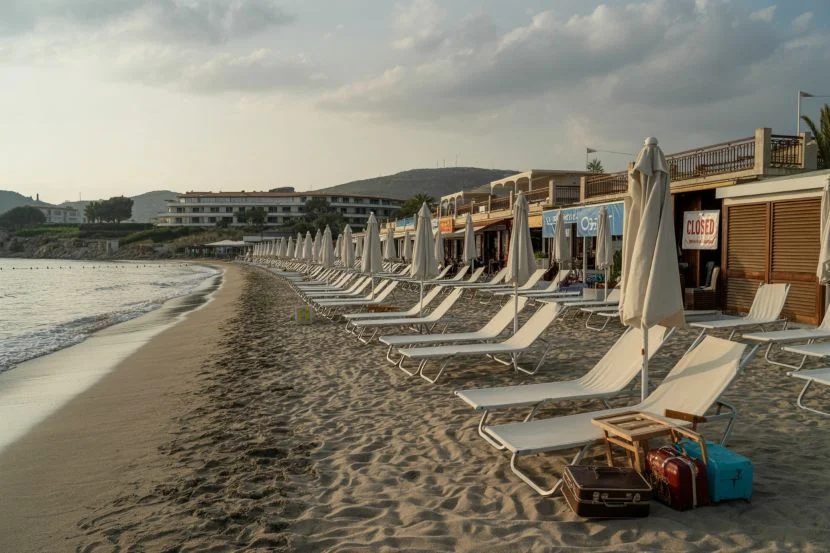
Dimitris stared at his phone screen in disbelief as the thirteenth cancellation email of the day landed in his inbox. His small boutique hotel on the Greek island of Mykonos, which should have been fully booked for the upcoming holiday season, now sat with empty rooms stretching into December.

“We’re sorry, but due to current regional concerns, we’ve decided to postpone our Mediterranean vacation,” read yet another message from what should have been a week-long booking for a family of four.
Dimitris isn’t alone in this struggle. Across the Eastern Mediterranean, from the bustling bazaars of Istanbul to the ancient pyramids of Cairo, tourism operators are watching their holiday bookings evaporate as travelers grow increasingly nervous about the ongoing Middle East conflict.
How Regional Tensions Are Reshaping Holiday Plans
The ripple effects of Middle Eastern conflicts have reached far beyond the immediate war zones, casting a shadow over some of the world’s most beloved vacation destinations. Turkey, Greece, Cyprus, and Egypt—countries that typically see a surge in holiday bookings during this time of year—are experiencing unprecedented cancellations and booking declines.
What makes this situation particularly challenging is that these destinations aren’t directly involved in the conflict, yet they’re suffering from what travel experts call “proximity anxiety”—travelers’ tendency to avoid entire regions when conflicts arise, regardless of actual safety levels.

The psychological impact of regional instability often extends far beyond the actual conflict zones. Travelers tend to paint broad geographic strokes when making safety decisions.
— Dr. Elena Marchetti, Tourism Risk Management Specialist

The numbers tell a stark story. Turkey has seen a 35% drop in advance holiday bookings compared to last year, while Greece’s island destinations report cancellation rates reaching 40% for the typically busy December and January period.
The Real Numbers Behind the Tourism Decline
Travel industry data reveals just how severely these destinations have been impacted. Here’s what the booking trends look like across the affected regions:

| Country | Booking Decline (%) | Cancellation Rate (%) | Most Affected Period |
|---|---|---|---|
| Turkey | 35% | 28% | December 2024 – February 2025 |
| Greece | 32% | 40% | Holiday season 2024 |
| Cyprus | 45% | 35% | Winter holidays |
| Egypt | 42% | 38% | December 2024 – January 2025 |
The impact varies significantly by traveler origin and destination type:
- European travelers are showing more resilience, with only 25% of bookings affected
- American tourists represent the largest cancellation group, accounting for 60% of cancelled reservations
- Luxury resorts are seeing higher cancellation rates than budget accommodations
- Family bookings show the steepest decline, dropping 50% compared to solo and couple travel
- Beach destinations are more affected than cultural and historical sites
Families with children are naturally more risk-averse when it comes to travel planning. Even perceived instability can shift their decision-making process entirely.
— Marcus Rodriguez, International Travel Trends Analyst
What This Means for Travelers and Local Communities
The tourism decline creates a cascading effect that reaches far beyond hotel occupancy rates. In Cyprus, small fishing villages that depend on seasonal tourism are already laying off staff months earlier than usual. Egyptian tour guides who normally work overtime during the winter season are struggling to find even part-time opportunities.
For travelers who do choose to visit these destinations, the situation presents both opportunities and considerations. Hotels are offering unprecedented discounts—some up to 60% off regular rates—while popular attractions report significantly shorter wait times.
However, reduced tourism also means some seasonal services may be limited. Ferry schedules between Greek islands have been reduced, and some restaurants in tourist areas are closing earlier in the season than typical.
We’re seeing a travel paradox—those who do choose to visit are getting exceptional value and authentic experiences, but the infrastructure that supports tourism is under strain.
— Amara Hassan, Mediterranean Tourism Board
The Broader Impact on Regional Economies
Tourism represents a substantial portion of GDP for these affected countries. In Greece, tourism accounts for nearly 25% of the national economy, while in Cyprus, that figure reaches 15%. The holiday season typically generates 40% of annual tourism revenue, making these cancellations particularly devastating.
Local governments are responding with emergency measures. Turkey has launched a new marketing campaign emphasizing safety and stability, while Egypt is offering extended visa validity periods to encourage rescheduled rather than cancelled trips.
The airline industry is also feeling the pressure. Routes to these destinations are seeing load factors drop by an average of 30%, forcing some carriers to reduce flight frequencies or switch to smaller aircraft.
The interconnected nature of the tourism industry means that when bookings drop, everyone from airport vendors to car rental companies feels the impact within weeks.
— Jennifer Park, Aviation Industry Consultant
Travel insurance companies report a 200% increase in policy purchases for Mediterranean destinations, indicating that some travelers are still planning trips but seeking additional protection for their investment.
Looking Ahead: Recovery Patterns and Traveler Sentiment
Historical data suggests that tourism recovery in situations like this typically follows a predictable pattern. Business travel returns first, followed by solo and couple leisure travel, with family tourism being the last segment to recover fully.
Travel agents report that many clients aren’t cancelling permanently but rather postponing their trips until spring or summer 2025. This creates a potential for compressed demand once confidence returns, though it doesn’t help immediate economic needs in these destinations.
Some destinations are adapting by pivoting their marketing focus. Instead of targeting traditional holiday travelers, they’re emphasizing off-season cultural experiences and promoting themselves to travelers specifically seeking less crowded destinations.
The situation remains fluid, with booking patterns changing weekly based on news cycles and perceived stability in the broader region. What’s clear is that the intersection of global conflicts and travel psychology continues to reshape how and where people choose to spend their holidays.
FAQs
Are Turkey, Greece, Cyprus, and Egypt actually unsafe for tourists right now?
These countries maintain normal safety levels for tourists and aren’t directly involved in regional conflicts, though travelers should always check current government travel advisories.
Can I get better deals on trips to these destinations now?
Yes, hotels and tour operators are offering significant discounts, with some deals reaching 60% off regular rates due to reduced demand.
Should I buy travel insurance for trips to these areas?
Travel insurance is always recommended, and policies that cover trip cancellation due to regional instability may provide additional peace of mind.
How long do tourism recoveries typically take after regional conflicts?
Historical patterns suggest 6-18 months for full recovery, depending on conflict duration and resolution, though business travel usually returns much sooner.
Are flight schedules being affected to these destinations?
Some airlines have reduced flight frequencies due to lower demand, so travelers should check current schedules and book early for preferred departure times.
What’s the best way to stay updated on travel conditions?
Monitor official government travel advisories, check with your airline directly, and consider consulting with travel agents who specialize in these regions for real-time updates.

Leave a Reply