
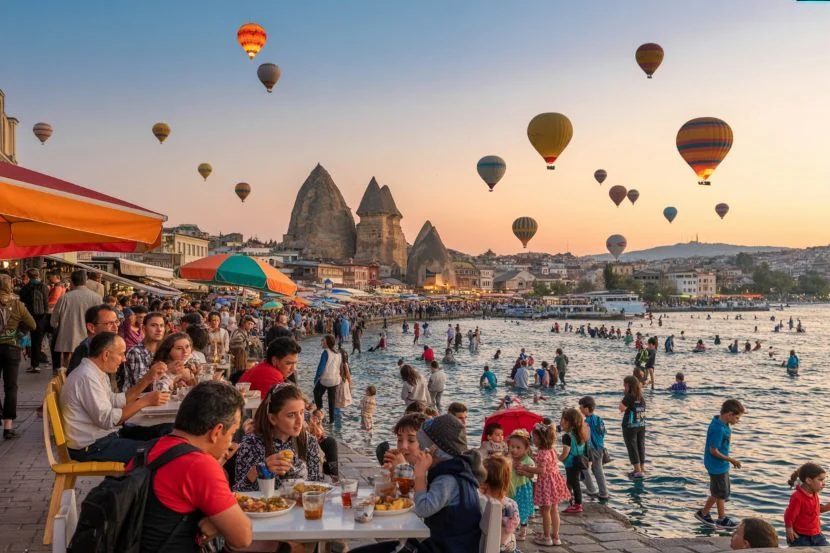
Fatima adjusted her hijab as she scrolled through hotel prices on her phone, her excitement building with each search. After months of planning, she was finally ready to book her family’s first international trip during Ramadan – a spiritual journey to Morocco combined with visits to Spain and Türkiye. But as she clicked through booking sites, something caught her attention: prices were different, restaurant hours had changed, and some attractions offered special experiences she’d never seen before.
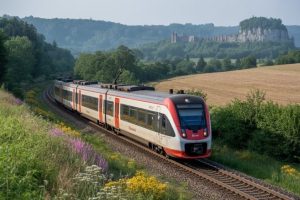
“The whole travel landscape shifts during Ramadan,” she murmured to her husband, showing him the screen. What she was witnessing was part of a massive transformation happening across Mediterranean and Middle Eastern destinations, where millions of Muslim travelers are reshaping the tourism industry during Islam’s holiest month.
Türkiye has now joined the ranks of Italy, Spain, Morocco, Egypt, and Greece in recognizing and adapting to evolving tourism demand during Ramadan travel seasons. This shift represents more than just seasonal adjustments – it’s a fundamental change in how popular destinations cater to Muslim travelers and their unique needs during this sacred time.

How Ramadan is Reshaping Travel Across Six Major Destinations
The tourism industry in these six countries is experiencing unprecedented changes as they adapt to the growing Muslim travel market. During Ramadan, travel patterns shift dramatically, with families seeking destinations that respect their religious practices while offering meaningful experiences.
Türkiye leads this transformation, leveraging its position as a bridge between East and West. The country has implemented comprehensive changes to accommodate Ramadan travelers, from adjusted meal times in hotels to special evening entertainment programs that respect fasting hours.
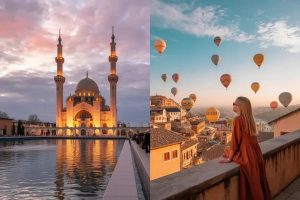
We’re seeing a 40% increase in bookings from Muslim-majority countries during Ramadan periods. Hotels and restaurants are completely reimagining their service models to meet this demand.
— Ahmed Yılmaz, Turkish Tourism Board Director
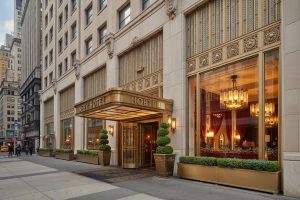
Spain and Italy have followed suit, with major cities like Barcelona, Madrid, Rome, and Milan introducing Ramadan-friendly services. These include halal dining options, prayer facilities in airports and hotels, and modified tour schedules that accommodate daily prayer times.
Morocco and Egypt, being predominantly Muslim countries, have always catered to Ramadan travelers but are now enhancing their offerings to attract international Muslim tourists seeking authentic spiritual experiences.
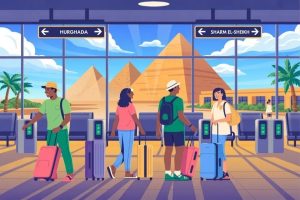
Greece has emerged as a surprising leader in this space, with islands like Mykonos and Santorini developing specialized packages for Muslim families during Ramadan.
Essential Information for Ramadan Travelers
Understanding what to expect when visiting these destinations during Ramadan can make or break your travel experience. Here’s what every visitor needs to know:
| Country | Key Ramadan Services | Best Travel Periods | Special Considerations |
|---|---|---|---|
| Türkiye | Suhoor/Iftar hotel packages, mosque tours | Last 10 days of Ramadan | Extended evening shopping hours |
| Spain | Halal dining, prayer rooms | Mid-Ramadan | Reduced alcohol service in some areas |
| Italy | Muslim-friendly tours, halal restaurants | Throughout Ramadan | Vatican offers special interfaith programs |
| Morocco | Traditional Ramadan experiences | Entire month | Daytime restaurant closures |
| Egypt | Historical Islamic site tours | Avoid first week | Ramadan night markets |
| Greece | Halal cruise options, family resorts | Last two weeks | Limited but growing halal options |
What This Means for All Travelers
These changes affect everyone, not just Muslim tourists. Non-Muslim travelers visiting during Ramadan will notice significant differences in local customs, dining hours, and cultural experiences.
Restaurant schedules shift dramatically. Many establishments in Muslim-majority areas close during daylight hours, then come alive after sunset with special Iftar menus and extended evening service.
The energy completely transforms after sunset. Streets that seemed quiet during the day suddenly burst with life, food, and celebration. It’s actually magical for any traveler to experience.
— Isabella Rodriguez, Travel Blogger
Hotels across all six destinations now offer dual programming – traditional services for conventional tourists alongside specialized Ramadan packages. This includes:
- Pre-dawn Suhoor meal services
- Sunset Iftar buffets with traditional foods
- Prayer time notifications and Qibla direction indicators
- Modified entertainment schedules respecting religious observances
- Special family-friendly evening activities
Shopping and entertainment districts have adapted too. Major shopping centers in Istanbul, Barcelona, and Rome now extend evening hours during Ramadan, capitalizing on increased nighttime activity.
Transportation systems have also evolved. Airlines flying to these destinations during Ramadan often provide special meal services and adjust flight schedules to accommodate prayer times and fasting requirements.
We’ve had to completely rethink our approach to hospitality. It’s not just about providing halal food anymore – it’s about understanding and respecting an entire lifestyle during this sacred month.
— Maria Gonzalez, Spanish Hotel Association
Planning Your Visit During Ramadan Season
Whether you’re Muslim or not, traveling during Ramadan requires different preparation than typical vacation planning. The experience can be incredibly rewarding if you understand what to expect.
For Muslim travelers, these destinations now offer unprecedented convenience and spiritual enrichment. You can maintain religious observances while exploring world-class attractions and creating family memories.
For non-Muslim travelers, Ramadan periods offer unique cultural insights and experiences unavailable during other times. You’ll witness centuries-old traditions, enjoy special foods, and see local communities come together in ways that provide authentic cultural immersion.
Booking considerations have changed too. Peak demand during Ramadan means earlier reservations are essential, especially for hotels offering specialized Ramadan packages. Many properties now book up months in advance for these periods.
The demand has exceeded all our projections. We’re seeing families book their Ramadan travel experiences a full year in advance now.
— Hassan Al-Mahmoud, Middle East Travel Specialist
The weather factor also plays differently during Ramadan travel. Since the Islamic calendar follows lunar months, Ramadan dates shift each year, affecting seasonal considerations for each destination.
This evolution in Ramadan tourism represents a broader trend toward inclusive travel experiences. These six countries are setting standards that other destinations worldwide are beginning to follow, recognizing the significant economic and cultural value of Muslim tourism.
As this trend continues growing, travelers can expect even more destinations to join this list, creating a global network of Ramadan-friendly tourism hubs that cater to diverse spiritual and cultural needs while maintaining the universal appeal that makes travel enriching for everyone.
FAQs
Do I need to fast if I’m not Muslim when visiting these countries during Ramadan?
No, non-Muslim visitors are not required to fast, but being respectful by not eating or drinking publicly during daylight hours is appreciated in Muslim-majority areas.
Are restaurants completely closed during the day in these destinations?
Not all restaurants close, but many reduce hours or close during daylight. Tourist areas typically maintain some dining options, especially in hotels and major attractions.
Is it more expensive to travel during Ramadan?
Prices can vary significantly. Some destinations see higher demand and prices, while others offer special Ramadan packages that provide good value for specialized services.
What should I pack differently for Ramadan travel?
Consider modest clothing regardless of your religion, and pack accordingly for extended evening activities since social life shifts to nighttime hours during Ramadan.
Are tourist attractions open normal hours during Ramadan?
Most major tourist attractions maintain regular hours, though some may adjust schedules. Museums and historical sites typically operate normally to accommodate both Muslim and non-Muslim visitors.
Can I drink alcohol during Ramadan in these countries?
Alcohol availability varies by country and location. Turkey, Spain, Italy, and Greece maintain normal alcohol service, while Morocco and Egypt may have restrictions in certain areas during Ramadan.

Leave a Reply