
Kendra sat in her art studio in Miami, staring at the canvas that had been calling to her for weeks. As a second-generation Haitian-American artist, she’d always felt torn between honoring her heritage and finding her place in the contemporary art world. “I wish there was somewhere I could see how other Black artists navigate this journey,” she confided to her mentor over coffee last month.
Little did she know that just 30 minutes north, Fort Lauderdale was preparing to answer that exact wish on a grand scale.
The announcement has cultural enthusiasts buzzing with anticipation: Fort Lauderdale will host the 2026 Africana Arts & Humanities Festival, promising to become one of the most significant celebrations of Black history and culture in the southeastern United States.
A Cultural Celebration Unlike Any Other
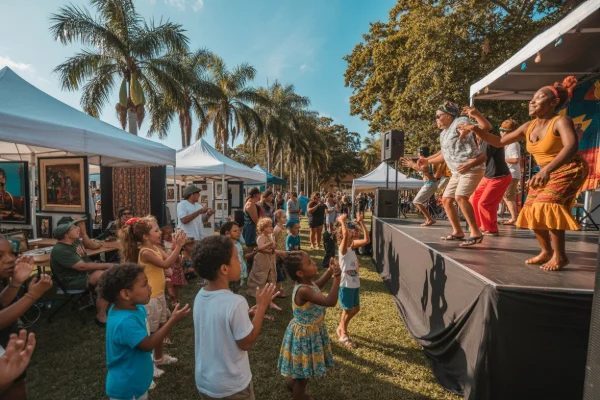
This isn’t just another arts festival. The 2026 Africana Arts & Humanities Festival represents a comprehensive cultural journey that will span multiple venues across Fort Lauderdale, transforming the city into a living museum of African diaspora experiences.
The festival aims to showcase the rich tapestry of African and African-American contributions to art, literature, music, science, and social progress. From interactive historical exhibits to contemporary art installations, visitors will experience centuries of cultural evolution in one immersive celebration.
This festival will serve as a bridge connecting our past with our present, allowing visitors to understand how African heritage continues to shape modern culture in profound ways.
— Dr. Amara Johnson, Cultural Heritage Specialist
What sets this festival apart is its commitment to authenticity and education. Rather than surface-level entertainment, organizers are crafting experiences that dive deep into historical narratives often overlooked in mainstream cultural events.
What Global Travelers Can Expect
The festival promises an unprecedented array of experiences designed to engage visitors of all backgrounds and interests. Here’s what’s planned for this cultural extravaganza:
| Experience Category | Featured Elements | Expected Duration |
|---|---|---|
| Historical Exhibitions | Interactive displays, artifacts, multimedia presentations | 3-day rotation |
| Live Performances | Music, dance, theater, spoken word | Daily evening shows |
| Culinary Journey | Traditional foods, cooking demonstrations, tastings | Throughout festival |
| Artist Workshops | Hands-on creative sessions, masterclasses | Weekend intensives |
| Educational Symposiums | Scholar presentations, panel discussions | Morning sessions |
The festival will feature multiple themed zones throughout Fort Lauderdale, each focusing on different aspects of the African diaspora experience:
- Heritage Square: Focusing on traditional African cultures and their preservation
- Innovation Alley: Highlighting Black contributions to science, technology, and innovation
- Freedom Path: Chronicling the civil rights movement and ongoing social justice efforts
- Creative Commons: Showcasing contemporary Black artists, writers, and performers
- Community Circle: Celebrating modern African-American community life and achievements
We’re creating spaces where visitors don’t just observe culture—they participate in it, learn from it, and hopefully carry those experiences back to their own communities.
— Marcus Williams, Festival Creative Director
Why Fort Lauderdale Makes Perfect Sense
Fort Lauderdale’s selection as host city wasn’t accidental. The city’s diverse population, strong cultural infrastructure, and commitment to inclusive tourism make it an ideal backdrop for this celebration.
South Florida’s significant Caribbean and African-American populations provide authentic cultural foundations for the festival. Local communities have been actively involved in planning, ensuring the event reflects genuine experiences rather than stereotypical representations.
The city’s tourism infrastructure can accommodate the expected international attendance, while its year-round favorable weather allows for both indoor and outdoor programming.
Fort Lauderdale has always been a crossroads of cultures. This festival celebrates that diversity while educating visitors about the profound impact of African heritage on American society.
— Lisa Rodriguez, Fort Lauderdale Tourism Board
Planning Your Cultural Journey
For travelers interested in attending, early planning is essential. The festival organizers recommend booking accommodations well in advance, as Fort Lauderdale expects significant international interest.
Festival passes will be available in multiple tiers, from single-day admission to comprehensive week-long experiences that include workshops, meals, and exclusive access to artist meet-and-greets.
The timing—tentatively scheduled for late February to early March 2026—coincides with Black History Month celebrations, creating opportunities for extended cultural exploration throughout South Florida.
Transportation partnerships with local hotels and Miami International Airport will provide convenient access for international visitors. Special cultural tour packages are being developed to extend the experience beyond the festival dates.
A Lasting Impact Beyond the Festival
The 2026 Africana Arts & Humanities Festival aims to create lasting change in how communities approach cultural education and celebration. Organizers are working with local schools to develop educational programs that will continue long after the festival ends.
Plans include establishing a permanent cultural center in Fort Lauderdale, creating year-round programming that builds on the festival’s foundation. This would position South Florida as a major destination for cultural tourism focused on African diaspora experiences.
Our goal isn’t just to host a successful festival—it’s to plant seeds for ongoing cultural dialogue and education that will benefit communities for generations.
— Dr. Kenya Thompson, Educational Outreach Coordinator
The economic impact extends beyond tourism. Local artists, performers, vendors, and cultural organizations will benefit from increased visibility and networking opportunities with international visitors and industry professionals.
For travelers seeking meaningful cultural experiences, the 2026 Africana Arts & Humanities Festival promises to deliver education, entertainment, and inspiration in equal measure. It represents an opportunity to engage with history, celebrate creativity, and participate in important cultural conversations.
As planning continues, one thing is certain: Fort Lauderdale is preparing to offer the world something truly special—a chance to experience the richness, complexity, and ongoing influence of African heritage in an authentic, educational, and deeply moving way.
FAQs
When exactly will the 2026 Africana Arts & Humanities Festival take place?
The festival is tentatively scheduled for late February to early March 2026, coinciding with Black History Month celebrations.
How much will tickets cost for the festival?
Ticket pricing hasn’t been announced yet, but organizers plan to offer multiple tiers from single-day passes to comprehensive week-long experiences with workshops and exclusive access.
Will there be activities suitable for children and families?
Yes, the festival is designed to be family-friendly with educational workshops, interactive exhibits, and cultural activities specifically designed for younger visitors.
Do I need to book accommodations far in advance?
Festival organizers strongly recommend early booking, as Fort Lauderdale expects significant international attendance and hotel availability may be limited during the event.
Will the festival be accessible to visitors with disabilities?
All festival venues and activities are being planned with full accessibility in mind, including wheelchair access, assistive listening devices, and accommodations for various needs.
Are there opportunities for visitors to participate in workshops or interactive experiences?
Absolutely! The festival features hands-on workshops, artist masterclasses, cooking demonstrations, and other interactive experiences designed to engage visitors directly with the culture and arts being celebrated.

Leave a Reply