
The jeepney driver’s hands gripped the steering wheel tighter as he stared at the fuel pump display. ₱85 per liter. Dante Reyes had been driving the same route through Butuan City for fifteen years, but he’d never seen prices like this. “How am I supposed to feed my family?” he whispered to himself, watching his daily earnings disappear into the gas tank.

Just last month, Dante could fill his tank for ₱3,500. Now? Nearly ₱5,000 for the same amount of fuel. The worst part wasn’t even the money—it was telling his regular passengers that he couldn’t afford to run his usual schedule anymore.
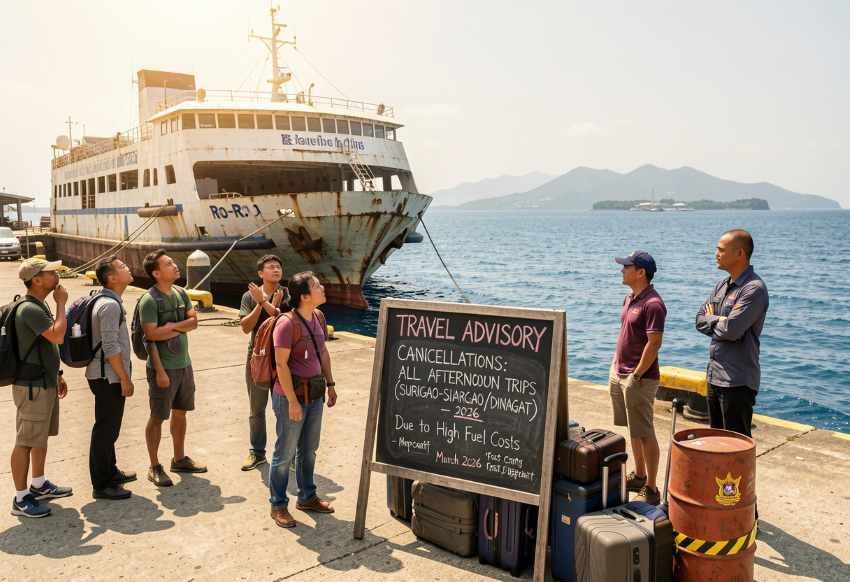
Dante’s struggle isn’t unique. Across the entire Caraga region, rising fuel costs are creating a transportation crisis that’s rippling through every corner of daily life, hitting both locals and visitors hard.

The Perfect Storm Hitting Caraga’s Transportation Network
The Caraga region, known for its pristine beaches and rich cultural heritage, is facing an unprecedented transportation emergency. Fuel prices have skyrocketed by 45% since early 2025, making it one of the most expensive regions for travel in the Philippines.
This isn’t just about numbers on a gas pump. The crisis is fundamentally changing how people move around the region, affecting everything from daily commutes to tourist itineraries. Local transport operators are reducing routes, hiking fares, or shutting down entirely.

The situation is becoming unsustainable for both operators and passengers. We’re seeing routes that have operated for decades suddenly become economically impossible.
— Rosa Magbanua, Caraga Transport Cooperative President
The timing couldn’t be worse. Caraga was just recovering from the pandemic’s impact on tourism when this transportation crisis hit. Now, visitors who do make it to the region find themselves stranded or facing unexpected costs that can double their travel budgets.
What Travelers Need to Know Right Now
If you’re planning to visit Caraga or you’re already in the region, here’s the reality on the ground:
| Transportation Type | Previous Cost | Current Cost | Availability |
|---|---|---|---|
| Jeepney (city routes) | ₱12-15 | ₱20-25 | Limited schedule |
| Bus (inter-city) | ₱150-200 | ₱280-350 | Reduced frequency |
| Tricycle (short trips) | ₱50-80 | ₱100-150 | Available but expensive |
| Habal-habal (mountain areas) | ₱100-150 | ₱200-300 | Very limited |
The most affected routes include:
- Butuan to Surigao City – Multiple operators suspended services
- Tandag to Bislig – Reduced to twice daily instead of hourly
- Island hopping in Siargao – Boat operators increasing minimum group sizes
- Mountain access to Enchanted River – Limited habal-habal availability
We’ve had to turn away tourists because we simply can’t guarantee reliable transportation to popular destinations. It’s heartbreaking for our local economy.
— Miguel Santos, Siargao Tourism Officer
Airport transfers have become particularly problematic. What used to be a ₱200 shared van ride from Butuan Airport now costs ₱500 or more, assuming you can find available transport at all.
How Local Communities Are Adapting and Surviving
The transportation crisis isn’t just inconveniencing tourists—it’s reshaping entire communities. In remote barangays, residents are pooling resources to charter vehicles for essential trips to town centers.
Maria Fernandez, a teacher in Prosperidad, now travels to work only three days a week instead of five. “I spend the night at my cousin’s house near school because I can’t afford daily transport,” she explains. Her situation reflects thousands of similar adjustments happening across the region.
Local businesses are getting creative. Some hotels now offer package deals that include guaranteed transportation, absorbing the extra costs to attract visitors. Others have partnered with transport operators to secure dedicated vehicles for guests.
We’re treating transportation like a premium amenity now. It’s not something guests can take for granted anymore.
— Carlos Mendoza, Surigao Beach Resort Manager
The ripple effects extend beyond transportation. Local markets report reduced foot traffic as people combine trips and shop less frequently. Restaurants near transport hubs see fewer customers as people avoid unnecessary travel.
What’s Being Done and What’s Not Working
Regional government officials have announced several measures, but implementation remains patchy. A fuel subsidy program for public transport operators launched in January, but drivers report delays in receiving payments.
The Department of Transportation issued new guidelines allowing temporary fare increases, but many operators say the approved rates still don’t cover their actual costs. This has led to a gray market where unofficial surcharges are common.
The official fare is one thing, but on the ground, drivers need to charge what it actually costs to operate. Nobody wants to exploit passengers, but we also can’t operate at a loss indefinitely.
— Antonio Cruz, Regional Transport Union Representative
Some creative solutions are emerging from the ground up. Ride-sharing groups have formed on social media, connecting travelers heading to the same destinations. Community-organized shuttle services are filling gaps left by suspended commercial routes.
However, these informal arrangements come with their own risks. Insurance coverage is unclear, schedules are unreliable, and safety standards vary widely.
Planning Your Caraga Trip in This New Reality
If you’re determined to visit Caraga despite these challenges, careful planning is essential. Book accommodations that include transportation or can arrange reliable transfers. Budget at least double your usual transport costs, and always have backup plans.
Consider staying longer in fewer locations rather than trying to cover multiple destinations. The classic island-hopping itinerary that was affordable six months ago might now cost more than your flights.
Some areas remain more accessible than others. Butuan City and immediate surroundings have better transport availability than remote beaches or mountain destinations. Siargao still has transport options, but expect to pay premium prices.
The situation changes rapidly, so connect with local contacts or recent visitors for real-time updates. Social media groups for Caraga travelers have become invaluable resources for current transportation information.
FAQs
Are flights to Caraga affected by the transportation crisis?
No, flights operate normally, but ground transportation from airports is significantly more expensive and less available.
Should I cancel my Caraga trip planned for this year?
Not necessarily, but budget extra for transportation and plan for longer stays in fewer locations to minimize travel needs.
Which areas of Caraga are least affected by transport disruptions?
Butuan City and central Surigao have the most reliable transport options, while remote beaches and mountain areas are most affected.
Are there any government assistance programs for tourists?
Currently, government programs focus on local transport operators rather than tourists, though some local tourism offices offer assistance with connections.
How long is this transportation crisis expected to last?
Officials haven’t provided clear timelines, but most expect significant challenges to continue through at least mid-2026.
What’s the safest way to arrange transportation in Caraga right now?
Book through established hotels or tourism operators who can guarantee vehicles, rather than relying on walk-up public transport availability.

Leave a Reply