
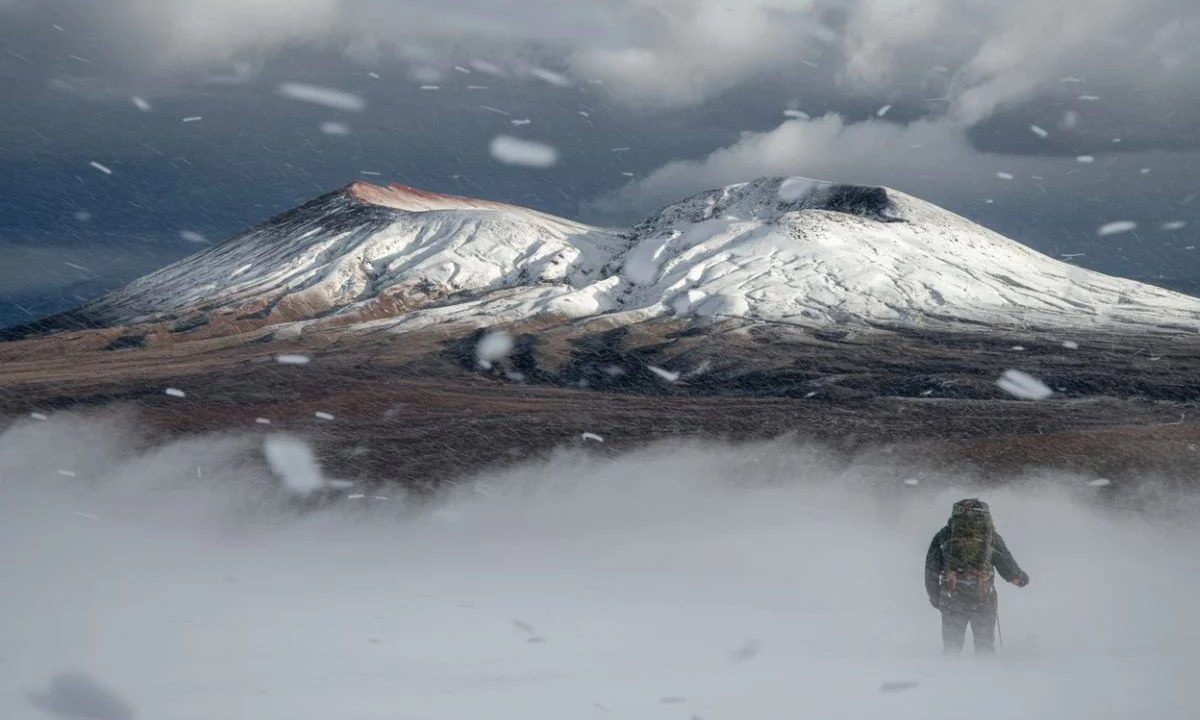
Keiko pressed her face against the airplane window, excitement bubbling as she caught her first glimpse of Hawaii’s Big Island. After months of planning, she was finally here for her dream vacation – complete with a sunrise hike to the summit of Mauna Kea. But as her phone buzzed with weather alerts, her heart sank. The message was clear: winter storm conditions ahead.

“Ma’am, I’m sorry to tell you this, but we’re strongly advising all visitors to postpone summit trips for the next few days,” the hotel concierge explained gently when Keiko inquired about her planned excursion. “The mountains are under a winter storm watch.”
If you’re like Keiko and have plans to visit Hawaii’s towering peaks, you need to know what’s happening right now. A significant winter storm watch has been issued for both Mauna Kea and Mauna Loa, and it’s not something to take lightly – even in paradise.

What’s Really Happening on Hawaii’s Highest Peaks
When most people think of Hawaii, they picture beaches and tropical weather. But here’s what many visitors don’t realize: Mauna Kea and Mauna Loa rise nearly 14,000 feet above sea level, high enough to experience true winter conditions that would make a Colorado ski resort jealous.
The current winter storm watch means these volcanic giants are expecting heavy snow, dangerous winds, and temperatures that can drop well below freezing. We’re talking about conditions that can turn a dream vacation into a life-threatening situation in a matter of hours.

The weather up there changes faster than most people can react. What starts as a clear morning can become a whiteout blizzard by afternoon.
— Dr. Michael Chen, National Weather Service Meteorologist

The storm system approaching the Big Island is packing serious punch. Wind speeds could reach 60+ mph near the summits, with snow accumulations potentially measuring in feet rather than inches. Visibility can drop to near zero, and the combination of wind and snow creates conditions that even experienced mountaineers respect.
Critical Safety Information Every Traveler Must Know
Here’s the essential information you need if you’re planning any high-altitude adventures on the Big Island:

Current Conditions and Restrictions
- Summit access roads may close without notice
- Emergency services become extremely limited during storms
- Cell phone service is unreliable at high elevations
- Temperature differences between sea level and summit can exceed 40°F
- Hypothermia risk increases dramatically in wet, windy conditions
| Elevation | Expected Conditions | Risk Level |
|---|---|---|
| Sea Level – 6,000 ft | Normal tropical weather | Low |
| 6,000 – 10,000 ft | Cool, potentially wet | Moderate |
| 10,000 – 14,000 ft | Snow, high winds, freezing temps | Extreme |
What Summit Tour Companies Are Doing
Reputable tour operators are taking this storm watch seriously. Most have already begun contacting customers to reschedule trips, and many are offering full refunds or flexible rebooking options.
We’d rather disappoint a customer today than put them in danger tomorrow. These mountains demand respect, and we never compromise on safety.
— Lisa Nakamura, Hawaii Summit Adventures
Who This Storm Watch Affects Most
This isn’t just about disappointed tourists. The winter storm watch impacts several groups of people who depend on or frequent these mountain areas:
Visitors and Tourists
Thousands of travelers come to Hawaii specifically to experience the unique opportunity of seeing snow in a tropical paradise. Summit sunrise tours are among the most popular activities on the Big Island, often booked weeks or months in advance.
Astronomers and Researchers
Mauna Kea hosts some of the world’s most important astronomical observatories. Storm conditions can shut down research operations and prevent critical maintenance work.
Local Communities
Native Hawaiian communities hold these mountains sacred. Mauna Kea, in particular, is deeply significant in Hawaiian culture and spirituality. Storm conditions affect access for cultural practices and ceremonies.
These mountains are our ancestors. We’ve learned over generations to read their moods and respect their power. Visitors need to understand that nature sets the schedule here, not us.
— Kauanoe Hoomanawanui, Cultural Practitioner
Smart Alternatives While You Wait
Just because the summits are off-limits doesn’t mean your Hawaiian adventure is ruined. Here are some incredible alternatives that keep you safe while the storm passes:
- Explore Hawaii Volcanoes National Park at lower elevations
- Visit the fascinating Imiloa Astronomy Center in Hilo
- Take a helicopter tour (weather permitting) for aerial mountain views
- Experience the unique black sand beaches along the coast
- Tour local coffee farms on the gentler slopes
When Will Conditions Improve?
Weather patterns in Hawaii can be notoriously unpredictable, especially at high elevations. Storm systems can linger for days or clear up more quickly than expected. The key is staying flexible with your plans.
Most weather experts suggest waiting at least 24-48 hours after a storm watch is lifted before attempting summit trips. This gives time for road crews to clear access routes and for conditions to stabilize.
Mountain weather is like a wild animal – even when it looks calm, it can turn dangerous without warning. Patience isn’t just smart, it’s essential for survival up there.
— James Rodriguez, Mountain Safety Instructor
Planning Your Next Steps
If you’re currently on the Big Island or planning to arrive soon, here’s what you should do:
Contact your tour operators immediately to understand their policies. Most reputable companies will work with you to reschedule without penalties during weather emergencies.
Stay connected with local weather services and heed all official warnings. The National Weather Service provides regular updates specifically for Hawaii’s high-elevation areas.
Consider travel insurance for future trips. Mountain weather can be unpredictable, and having coverage for weather-related cancellations can save you significant money.
Remember, these storms are temporary, but the mountains will be there long after the weather clears. Your safety is worth more than any photo or experience, no matter how long you’ve planned for it.
FAQs
How often do winter storms hit Mauna Kea and Mauna Loa?
Winter storms typically occur several times each year between November and March, with the most severe conditions usually happening between December and February.
Can I still visit the lower elevations of these mountains during a storm watch?
Yes, areas below 8,000 feet are generally safe, but always check current road conditions and weather updates before traveling.
Will my summit tour be automatically cancelled?
Most reputable tour companies will proactively cancel trips during storm watches, but you should contact them directly to confirm and discuss rescheduling options.
How much advance notice do storm watches typically provide?
Weather services usually issue storm watches 24-48 hours in advance, but conditions can change rapidly in mountain environments.
Is it ever safe to attempt summit trips during winter months?
Yes, but only with proper preparation, appropriate gear, and favorable weather conditions. Many successful summit visits happen during winter months between storm systems.
What should I pack if I’m rescheduling my summit trip?
Bring warm, layered clothing, waterproof gear, sturdy boots, snacks, water, and emergency supplies. Temperatures can drop 40+ degrees from sea level to summit.

Leave a Reply