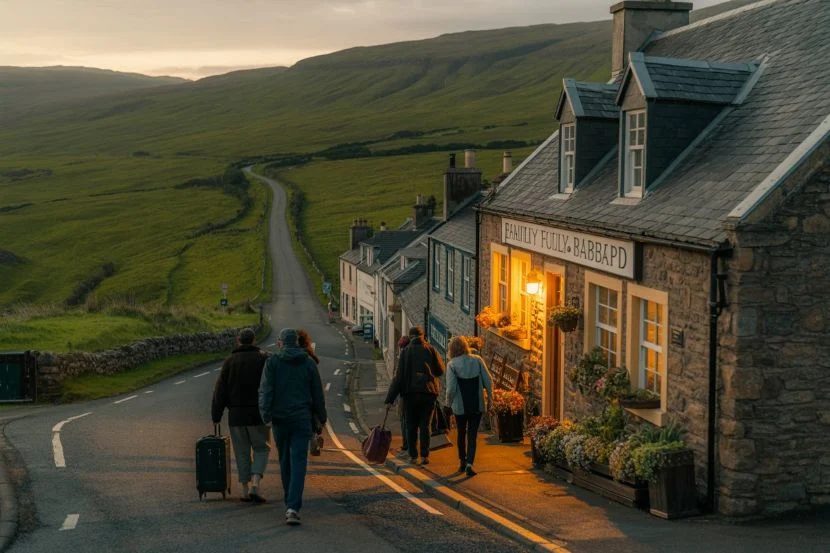
Euan MacLeod never expected to see a tour bus queue stretching down his quiet Highland village street. The 67-year-old retired fisherman stepped out of his cottage in Plockton last Tuesday morning to find dozens of international visitors photographing his garden gate.
“Forty years I’ve lived here, and suddenly the whole world wants to visit,” he chuckled, watching a group of Japanese tourists pose beside his stone wall. “My neighbor says it’s because of that Netflix show, but I think people are just discovering what we’ve known all along – Scotland’s got something special.”
Euan’s experience isn’t unique. Across Scotland, from remote islands to bustling cities, locals are witnessing an unprecedented tourism explosion that’s reshaping their communities and putting this small nation firmly on the global travel map.

Scotland’s Tourism Revolution Takes the World by Storm
Scotland is experiencing a tourism boom that’s defying all expectations. While traditional powerhouse destinations struggle with post-pandemic recovery, this nation of 5.5 million people is attracting visitors at record-breaking rates.
The numbers tell an extraordinary story. Scotland welcomed over 3.5 million international visitors in 2023, representing a 25% increase from pre-pandemic levels. More remarkably, tourism revenue has surged to £12.4 billion annually, outpacing recovery rates in France, Spain, and Italy.
Scotland isn’t just bouncing back – it’s leaping ahead. We’re seeing visitor satisfaction scores that rival anywhere in the world, and repeat visit rates that would make any destination envious.
— Malcolm Roughead, VisitScotland Chief Executive
What makes this surge particularly impressive is Scotland’s ability to attract diverse demographics. While Instagram-worthy landscapes draw younger travelers, the country’s rich history and cultural heritage appeal to older, higher-spending tourists.
The tourism explosion spans every corner of Scotland. Edinburgh’s Royal Mile buzzes with international accents, while remote locations like the Outer Hebrides report accommodation bookings months in advance.

What’s Driving Scotland’s Irresistible Appeal
Several factors have converged to create Scotland’s tourism perfect storm. The “Outlander effect” continues drawing fans to filming locations, while Netflix’s “The Crown” sparked renewed interest in Scottish castles and estates.
But beyond screen tourism, Scotland offers something increasingly rare – authentic, unspoiled experiences. Here’s what’s pulling visitors from around the globe:
- Dramatic landscapes: From Skye’s otherworldly terrain to Loch Lomond’s serene beauty
- Rich cultural heritage: Ancient castles, Highland games, and traditional music
- World-class whisky: Over 130 active distilleries offering unique tasting experiences
- Adventure activities: Hiking, wildlife watching, and outdoor pursuits
- Warm hospitality: Genuine Scottish friendliness that creates lasting memories
- Accessibility: Compact size allows visitors to experience diverse regions easily
| Top Scottish Attractions | 2023 Visitors | Growth Rate |
|---|---|---|
| Edinburgh Castle | 2.2 million | +18% |
| Loch Lomond & Trossachs | 4.5 million | +22% |
| Isle of Skye | 650,000 | +35% |
| Stirling Castle | 780,000 | +15% |
| Whisky Trail | 1.3 million | +28% |
Visitors tell us Scotland feels authentic in ways many destinations don’t anymore. You can still find places where locals genuinely welcome you into their community.
— Dr. Sarah Henderson, Tourism Research Institute
The country’s compact geography works in its favor. Visitors can experience Highland mountains, historic cities, and coastal beauty within a single week-long trip. This efficiency appeals to time-conscious travelers seeking maximum impact from their holidays.
How Tourism Success Is Transforming Scottish Communities
Scotland’s tourism explosion is creating ripple effects throughout the economy and society. Rural communities that once faced population decline are experiencing revitalization as tourism brings jobs and investment.
The Highlands have seen remarkable transformation. Villages that struggled economically now host boutique hotels, artisan shops, and restaurants showcasing local produce. Young Scots who might have left for cities are finding opportunities in their home communities.
However, success brings challenges. Popular destinations like Skye struggle with overcrowding during peak seasons. Housing costs in tourist hotspots have risen, affecting local residents. Infrastructure strain is visible in parking shortages and overtaxed facilities.
We’re working hard to ensure tourism benefits everyone. That means managing visitor flows, supporting local businesses, and protecting the natural beauty that draws people here in the first place.
— Fiona Hyslop, Cabinet Secretary for Culture, Tourism and External Affairs
Smart tourism initiatives are emerging across Scotland. Dynamic pricing for attractions helps distribute visitors across different times and seasons. Digital platforms provide real-time information about crowding levels, encouraging travelers to explore lesser-known gems.
Local businesses are adapting creatively. Traditional Highland estates offer luxury glamping experiences. Former fishing villages provide sea-to-table dining adventures. Even remote islands have developed sustainable tourism models that preserve their character while welcoming visitors.
The economic impact extends beyond obvious tourism sectors. Scottish food producers, craftspeople, and manufacturers benefit from increased exposure and sales. The “Made in Scotland” brand carries new weight in international markets.
Scotland’s Tourism Future Looks Brighter Than Ever
Industry experts predict Scotland’s tourism momentum will continue growing. Planned infrastructure improvements, including upgraded transport links and expanded accommodation options, will support further growth while addressing current challenges.
Sustainability initiatives position Scotland as a responsible destination. The country’s commitment to renewable energy, wildlife conservation, and cultural preservation appeals to environmentally conscious travelers.
Scotland is proving that small countries can compete with anyone when they offer genuine experiences and authentic hospitality. We’re not trying to be everywhere to everyone – we’re being distinctly Scottish, and the world loves it.
— James Crawford, Scottish Tourism Alliance
New developments on the horizon include expanded whisky tourism experiences, adventure tourism facilities, and cultural heritage sites. The government’s £50 million tourism infrastructure fund will address bottlenecks while preserving Scotland’s natural beauty.
International recognition continues building Scotland’s reputation. Recent awards from Lonely Planet, National Geographic, and Condé Nast Traveler cement its status as a must-visit destination.
For visitors planning Scottish adventures, the message is clear: this small nation offers big experiences. Whether seeking dramatic landscapes, rich history, outdoor adventures, or warm hospitality, Scotland delivers in ways that larger, more established destinations struggle to match.
FAQs
When is the best time to visit Scotland to avoid crowds?
Spring (April-May) and early autumn (September-October) offer pleasant weather with fewer tourists than peak summer months.
How long should I plan for a Scotland trip?
A week allows you to see major highlights, while 10-14 days lets you explore more remote areas and experience local culture deeply.
Is Scotland expensive for tourists?
Costs vary widely, but Scotland offers options for all budgets from hostels to luxury hotels, with many free attractions like hiking trails and historic sites.
Do I need a car to explore Scotland?
While a car provides maximum flexibility, excellent public transport connects major cities and tourist areas, with organized tours reaching remote locations.
What should I pack for a Scotland trip?
Waterproof clothing and layers are essential year-round, as Scottish weather can change quickly regardless of season.
Are Scottish people really as friendly as they seem?
Yes! Scottish hospitality is genuine, and locals often go out of their way to help visitors and share recommendations about their homeland.

Leave a Reply