
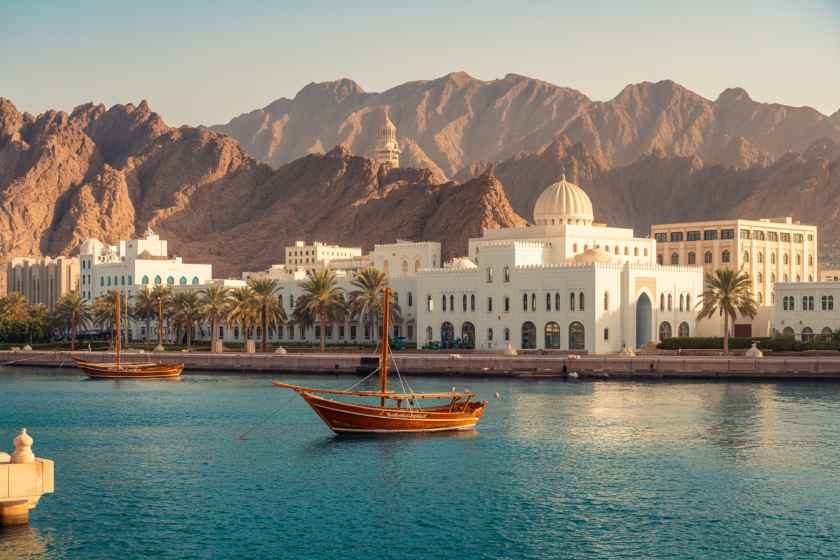
Khalid Al-Rashid had been refreshing his phone for twenty minutes, watching flight after flight from Dubai get delayed or cancelled. The Emirati businessman needed to get to London for a crucial merger meeting, but the aviation chaos gripping the Gulf had other plans. That’s when his travel agent called with an unexpected suggestion: “What about flying through Muscat instead?”

Al-Rashid wasn’t alone in that moment of frustration turning into relief. Across the region, thousands of travelers are discovering what he did – that sometimes the best route forward isn’t always the most obvious one.
What started as a travel headache for many has become an unexpected boom for Oman’s capital city, as Muscat emerges as the region’s most reliable alternative hub amid widespread aviation disruptions affecting major Gulf airports.

When Plan A Becomes Plan B: The Great Gulf Reroute
The numbers tell a story that travel industry veterans haven’t seen in years. While Dubai, Abu Dhabi, and Doha grapple with operational challenges ranging from weather-related delays to air traffic congestion, Muscat’s hotels are experiencing occupancy rates they haven’t enjoyed since before the pandemic.
The ripple effect is reshaping how people think about Gulf travel. What was once a region dominated by three major hubs is suddenly revealing the strength of its quieter alternative.
We’re seeing business travelers, families, and even tour groups that never considered Muscat before. The city is proving it can handle the unexpected surge beautifully.
— Fatima Al-Zahra, Regional Travel Operations Manager
The aviation disruptions hitting the region’s major airports have created a domino effect. Flight cancellations in Dubai lead to rebookings through Abu Dhabi, which then faces its own capacity issues, pushing travelers to seek alternatives they might never have considered.
Enter Muscat – a city that’s been quietly building its infrastructure and suddenly finds itself in the spotlight.

The Muscat Advantage: Why Travelers Are Choosing Oman
The reasons behind Muscat’s sudden popularity go beyond just available hotel rooms. The city offers something that stressed travelers desperately need right now: reliability and peace of mind.
Here’s what’s driving the surge:
- Shorter security lines and faster processing times at Muscat International Airport
- More flexible rebooking policies from Oman Air and other carriers
- Competitive hotel rates compared to peak-season pricing in Dubai and Abu Dhabi
- Strategic location offering efficient connections to Europe, Asia, and Africa
- Less crowded attractions and restaurants for extended layovers
| City | Average Hotel Occupancy | Average Nightly Rate | Flight Delays (Weekly) |
|---|---|---|---|
| Muscat | 87% | $145 | 12% |
| Dubai | 72% | $280 | 35% |
| Abu Dhabi | 69% | $220 | 28% |
| Doha | 74% | $195 | 31% |
The numbers reveal more than just statistics – they show travelers voting with their wallets and their time. Muscat isn’t just benefiting from others’ problems; it’s demonstrating genuine value.
I came here out of necessity, but I’m leaving genuinely impressed. The service level and the ease of everything has been a pleasant surprise.
— Marcus Thompson, International Business Consultant
Hotel managers across Muscat are working overtime to accommodate the influx. Properties that were running at 60-70% capacity just months ago are now turning away walk-in guests and extending staff hours to meet demand.
What This Means for Your Next Gulf Trip
The current situation is forcing travelers to reconsider their assumptions about Gulf travel. For years, the conversation revolved around Dubai’s glamour, Abu Dhabi’s business appeal, or Doha’s connectivity. Suddenly, Muscat is proving it belongs in that conversation.
Smart travelers are already adapting. Instead of fighting for rebooking through overcrowded hubs, they’re exploring what Muscat offers as a destination in its own right, not just a transit point.
The practical implications are significant:
- Business travelers are building Muscat stops into their regular itineraries
- Families are discovering Oman’s cultural attractions during extended layovers
- Corporate travel departments are updating their backup routing protocols
- Tour operators are creating new packages that feature Muscat as a starting point
This isn’t just about crisis management anymore. We’re seeing fundamental shifts in how people plan Gulf travel. Muscat has earned a permanent spot on many travelers’ consideration lists.
— Ahmed Al-Balushi, Tourism Industry Analyst
The hospitality sector in Muscat is responding with impressive agility. Hotels are extending check-out times for travelers with delayed connections, restaurants are accommodating unusual meal timing requests, and tour operators are creating flexible half-day packages for unexpected layovers.
But perhaps the most significant change is psychological. Travelers who once saw disruptions as disasters are finding that rerouting through Muscat often improves their overall experience.
Looking Beyond the Current Crisis
While the aviation disruptions affecting Dubai, Abu Dhabi, and Doha will eventually resolve, the impact on Muscat’s profile appears likely to outlast the immediate crisis. The city has proven it can handle pressure, deliver quality service, and offer genuine value.
Tourism officials in Oman are already planning to capitalize on this unexpected exposure. Marketing campaigns that once struggled to compete with Dubai’s flash or Abu Dhabi’s business focus now have a compelling story: Muscat works when you need it most.
We’ve always believed in our city’s potential. Now the world is seeing what we’ve known all along – Muscat isn’t just an alternative, it’s often the better choice.
— Layla Al-Kindi, Muscat Tourism Development Authority
The long-term implications extend beyond tourism. Airlines are reviewing their route structures, corporate travel policies are being updated, and Oman’s position as a regional business hub is gaining credibility it’s sought for years.
For travelers planning future Gulf trips, the lesson is clear: flexibility and open-mindedness often lead to better experiences than rigid adherence to familiar routines. Muscat’s moment in the spotlight may have started with others’ challenges, but it’s continuing because the city is delivering genuine value.
FAQs
Is it more expensive to route through Muscat instead of Dubai?
Actually, many travelers are finding overall costs lower due to reduced hotel rates and competitive airfares, despite potential routing changes.
How long do I need for a connection through Muscat International Airport?
Minimum connection times are typically 90 minutes for international flights, but the airport’s efficiency often allows for comfortable connections even with tight schedules.
Can I get a transit visa for Oman if I have a long layover?
Yes, many nationalities can obtain free transit visas for stays up to 36 hours, and paid visas are available for longer visits.
Are there good hotel options near Muscat airport?
Several quality hotels operate shuttle services to the airport, and the city center is only about 30 minutes away by taxi.
Will this trend continue after the current aviation disruptions end?
Industry experts believe Muscat has permanently raised its profile, with many travelers likely to consider it for future trips regardless of disruptions elsewhere.
What’s there to do in Muscat during a long layover?
The city offers everything from traditional souks and museums to modern malls and coastal attractions, with many sites accessible during layovers of six hours or more.

Leave a Reply