
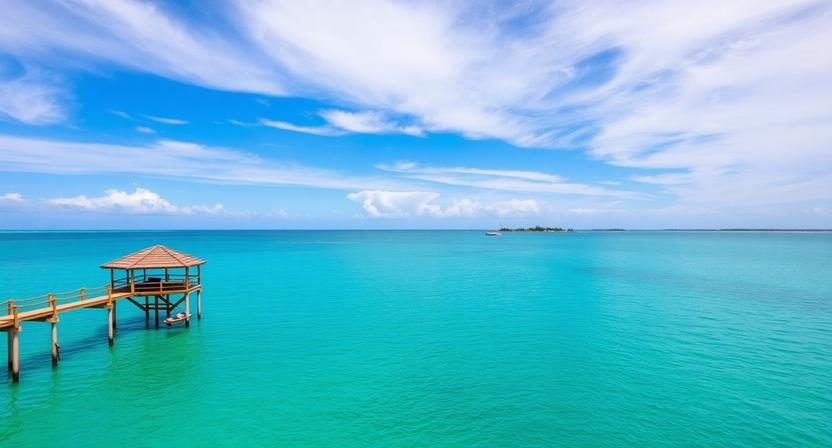
Amara pressed her face against the airplane window as the turquoise waters of the Indian Ocean came into view, her heart racing with anticipation. After saving for two years as a travel blogger from Portland, she was finally making her dream trip to Zanzibar—and she wasn’t alone. The flight attendant mentioned that their plane was packed with tourists, something that seemed to be happening more and more lately.

“I’ve never seen this route so busy,” the seasoned crew member told passengers during the safety demonstration. “Zanzibar is definitely having a moment.”
That moment is turning into something much bigger. The spice islands of Zanzibar just recorded an impressive milestone that has tourism officials celebrating and planning for an even brighter future.

Zanzibar’s Tourism Boom Reaches New Heights
February 2026 brought exceptional news for Zanzibar’s tourism industry, with international visitor arrivals jumping by nearly five percent compared to the same period last year. This surge isn’t just a number on a spreadsheet—it represents thousands of travelers like Amara discovering the magic of this East African archipelago.
The increase comes as Zanzibar aggressively expands into new markets and rolls out enhanced services, all part of an ambitious plan to welcome one million annual visitors. For an island destination that has traditionally relied on European and regional African tourism, this growth signals a fundamental shift in global travel patterns.
We’re seeing visitors from markets we never imagined would discover Zanzibar just five years ago. The diversity of our guests now is remarkable.
— Hassan Mwalimu, Zanzibar Tourism Board Director

The February surge reflects broader changes in how people travel and what they’re seeking. Post-pandemic travelers are gravitating toward authentic cultural experiences, pristine beaches, and destinations that offer both relaxation and adventure—exactly what Zanzibar delivers.
Breaking Down the Numbers and New Market Expansion
The tourism growth isn’t happening by accident. Zanzibar has been methodically expanding its reach into previously untapped markets while upgrading infrastructure and services to handle increased demand.

| Tourism Metric | February 2026 | Growth Rate |
|---|---|---|
| International Arrivals | 87,450 | +4.8% |
| New Market Visitors | 23,100 | +18.2% |
| Average Stay Duration | 8.3 days | +0.7 days |
| Tourism Revenue | $42.3 million | +7.1% |
The expansion strategy focuses on several key areas:
- North American Market: New direct marketing campaigns and partnership with U.S. tour operators
- Asian Markets: Targeted outreach to Singapore, Malaysia, and India with cultural exchange programs
- South American Connections: Leveraging historical ties to attract Brazilian and Argentinian travelers
- Digital Nomad Services: High-speed internet infrastructure and co-working spaces for remote workers
- Luxury Eco-Tourism: Sustainable resort development that preserves the island’s natural beauty
The goal isn’t just more tourists—it’s about attracting visitors who appreciate our culture and contribute meaningfully to local communities.
— Dr. Fatma Baraka, Sustainable Tourism Consultant
Infrastructure improvements are keeping pace with demand. The government has invested heavily in upgrading Abeid Amani Karume International Airport, expanding flight connections, and improving road networks between major tourist areas.
What This Growth Means for Travelers and Locals
For travelers planning Zanzibar visits, the increased tourism brings both opportunities and considerations. More flight options and competitive pricing make the destination more accessible than ever. However, popular attractions and accommodations are booking up faster, especially during peak seasons.
Local communities are experiencing the economic benefits directly. Tourism employment has increased by 12% over the past year, with new jobs in hospitality, transportation, and cultural tourism. Small business owners are seeing increased demand for local crafts, spice tours, and authentic dining experiences.
My family’s spice farm tour business has grown from hosting maybe 20 people per month to over 200. We’ve hired three more guides and expanded our offerings.
— Mohammed Juma, Local Tour Operator
The growth is also driving innovation in sustainable tourism practices. New eco-lodges are opening with solar power and water conservation systems. Marine conservation programs are expanding to protect the coral reefs that attract snorkelers and divers.
However, the rapid growth brings challenges. Housing costs in tourist areas are rising, and there’s increased pressure on infrastructure during peak periods. The government is working to balance tourism growth with quality of life for residents.
Looking Ahead: The Path to One Million Visitors
Zanzibar’s ambitious goal of reaching one million annual visitors is becoming increasingly realistic. Current projections suggest the milestone could be reached by late 2027 if growth continues at the current pace.
The strategy involves careful planning to ensure sustainable development. New resort developments must meet strict environmental standards, and there’s increasing emphasis on community-based tourism that directly benefits local families.
We’re not just counting visitors—we’re building a tourism industry that will thrive for generations while preserving what makes Zanzibar special.
— Ali Mufuruki, Tourism Development Coordinator
For potential visitors, the message is clear: Zanzibar is ready for the world stage while maintaining its authentic charm. Whether you’re drawn by the historic Stone Town, pristine beaches, or rich cultural heritage, the infrastructure and services are rapidly improving to meet international standards.
The February tourism surge represents more than statistics—it’s evidence that Zanzibar is successfully positioning itself as a premier Indian Ocean destination. As more travelers like Amara discover its unique blend of African, Arab, and Indian influences, the island is proving that sustainable growth and authentic experiences can go hand in hand.
FAQs
What’s driving the increase in Zanzibar tourism?
Expanded marketing to new international markets, improved infrastructure, and growing interest in authentic cultural destinations are the main factors.
When is the best time to visit Zanzibar?
June through October offers the driest weather, while December through February provides warm temperatures with occasional rain showers.
Do I need a visa to visit Zanzibar?
Most visitors need a Tanzanian visa, which can be obtained online or upon arrival at the airport.
How long should I plan to stay in Zanzibar?
Most visitors stay 7-10 days to experience both the cultural sites and beach relaxation, though the average is now 8.3 days.
Is Zanzibar suitable for budget travelers?
Yes, there are accommodation and dining options for various budgets, from backpacker hostels to luxury resorts.
What’s the best way to get around the island?
Rental cars, motorcycles, and organized tours are popular options, with improved road infrastructure making travel easier than before.

Leave a Reply