
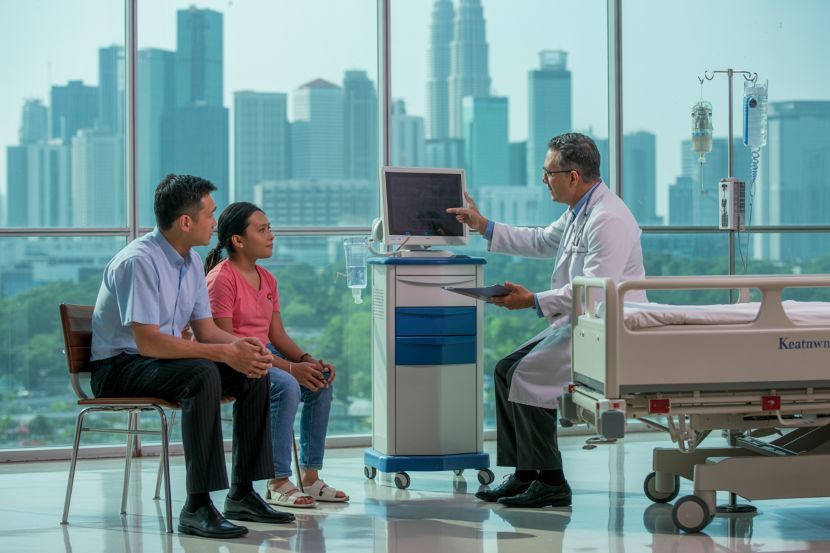
Rajesh winced as he looked at the surgical quote from his local hospital in Toronto. “$45,000 for a knee replacement,” he muttered to his wife, shaking his head. “We’d have to drain our entire savings account.”

His wife pulled up her laptop and started typing. “Remember what your cousin said about getting his heart surgery done in Thailand? Maybe we should look into that.”
What started as a desperate search for affordable healthcare has become a global phenomenon. Millions of patients like Rajesh are discovering that countries like India, Thailand, Malaysia, and Singapore offer world-class medical treatments at a fraction of Western prices—without compromising on quality.

The Medical Tourism Revolution is Here
Medical tourism isn’t just a trend anymore—it’s a booming industry that’s reshaping how people think about healthcare. These four Asian powerhouses have positioned themselves as the go-to destinations for patients seeking high-quality medical care without the crushing financial burden.
The numbers tell an incredible story. While a heart bypass surgery might cost $150,000 in the United States, the same procedure performed by internationally trained surgeons in India costs around $10,000. Hip replacements that run $40,000 in America? You’re looking at $7,000 in Thailand.

We’re seeing a 300% increase in international patients over the past five years. People are realizing they don’t have to choose between their health and their financial security.
— Dr. Priya Sharma, Medical Director at Apollo Hospitals

But this isn’t about cutting corners or accepting substandard care. These countries have invested billions in state-of-the-art medical infrastructure, attracted top-tier medical professionals, and earned international accreditations that rival any Western facility.
What Makes These Destinations So Attractive
The appeal goes far beyond just cost savings. Each of these countries brings something unique to the table:

| Country | Specialties | Average Cost Savings | Key Advantages |
|---|---|---|---|
| India | Cardiac surgery, Orthopedics, Cancer treatment | 70-90% | English-speaking staff, Advanced technology |
| Thailand | Cosmetic surgery, Dental care, Wellness | 60-80% | Tourism infrastructure, Luxury facilities |
| Malaysia | Fertility treatments, Cardiology, Eye surgery | 65-85% | Cultural diversity, Strong regulatory framework |
| Singapore | Complex surgeries, Cancer care, Neurology | 40-70% | Cutting-edge technology, Strict quality standards |
- World-class facilities: Many hospitals boast JCI (Joint Commission International) accreditation, the gold standard in healthcare quality
- Highly trained doctors: Surgeons often trained at top medical schools in the US, UK, or Europe
- No waiting lists: Procedures that might have months-long waits in other countries can be scheduled within weeks
- Comprehensive packages: Many facilities offer all-inclusive deals covering surgery, accommodation, and recovery
- Cultural hospitality: Patient care extends beyond medical treatment to genuine personal attention
The quality of care I received in Singapore was exceptional. The surgeon took time to explain everything, and the nursing staff was incredibly attentive. I felt more cared for than I ever did at hospitals back home.
— Patricia Chen, Medical Tourist from Australia
The Real Impact on Patients and Families
For families facing medical crises, these destinations represent hope. Take the case of retirement-age couples who discover they can afford life-saving procedures they thought were financially out of reach. Or young parents who can get fertility treatments without going into debt for decades.
The ripple effects extend beyond individual patients. Insurance companies are starting to take notice, with some offering “international coverage” options that include treatment abroad. Employers are exploring medical tourism benefits as a way to provide better healthcare options while controlling costs.
We’re partnering with international hospitals to offer our employees more choices. It’s a win-win—they get excellent care at lower costs, and we can provide better benefits without breaking our budget.
— Marcus Thompson, HR Director at TechFlow Solutions
The experience often exceeds expectations. Patients frequently report feeling like VIPs rather than just another case number. Recovery resorts in Thailand offer beachfront rehabilitation. Indian hospitals provide dedicated international patient coordinators who handle everything from airport transfers to insurance paperwork.
Overcoming the Concerns and Myths
Despite the obvious benefits, some people still hesitate. Common concerns include language barriers, different medical standards, or complications with follow-up care. The reality is quite different.
Most international hospitals in these countries have English-speaking staff specifically trained to work with foreign patients. Medical standards often match or exceed those in Western countries, thanks to international accreditations and regular audits.
Follow-up care has evolved too. Many facilities now offer telemedicine consultations, detailed medical records transfer, and partnerships with doctors in patients’ home countries to ensure continuity of care.
The biggest surprise was how seamless everything was. From the initial consultation via video call to the post-surgery follow-ups, I felt connected to my medical team throughout the entire process.
— Dr. Amanda Rodriguez, Orthopedic Consultant
The medical tourism industry has also developed robust support systems. Specialized agencies help patients navigate the process, from selecting the right hospital to arranging travel and accommodation. Many offer package deals that include medical treatment, flights, hotels, and even sightseeing opportunities for accompanying family members.
Looking Toward the Future
This surge in medical tourism is reshaping global healthcare. Countries are investing heavily in medical infrastructure, knowing that healthcare exports can be as valuable as any traditional industry. Medical schools are expanding, technology is advancing, and patient care standards continue to rise.
For patients, this means more options, better care, and affordable prices. The days of choosing between financial ruin and necessary medical treatment are becoming a thing of the past.
The medical tourism revolution is here to stay, and it’s giving people like Rajesh—and millions of others—a chance to reclaim both their health and their financial future.
FAQs
Is medical tourism safe?
Yes, when you choose accredited hospitals with international certifications. Many facilities in India, Thailand, Malaysia, and Singapore meet or exceed Western medical standards.
How much can I really save with medical tourism?
Savings typically range from 40-90% compared to US prices, depending on the procedure and destination country.
Will my insurance cover medical tourism?
Some insurance plans are beginning to cover international treatments. Check with your provider about international coverage options.
What if something goes wrong during my treatment abroad?
Reputable international hospitals carry malpractice insurance and have protocols for handling complications, including partnerships with facilities in your home country.
How do I choose the right hospital and doctor?
Look for JCI accreditation, check doctor credentials, read patient reviews, and consider working with a reputable medical tourism agency.
Do I need to stay abroad for a long time after surgery?
Recovery time varies by procedure, but many hospitals offer comfortable recovery facilities and can arrange extended stays if needed.

Leave a Reply