
Dimitris glanced at his phone as the boarding announcement echoed through Athens International Airport. “Gate change again,” he muttered to his wife, but this time he wasn’t frustrated. After two years of canceled trips and empty terminals, even the chaos of a packed airport felt like a small miracle.

His family wasn’t alone in their excitement to travel again. Across Europe, millions of passengers are flooding back to airports, and airlines are scrambling to meet the surging demand. For some carriers, this travel renaissance is translating into impressive financial results that few could have imagined just a year ago.
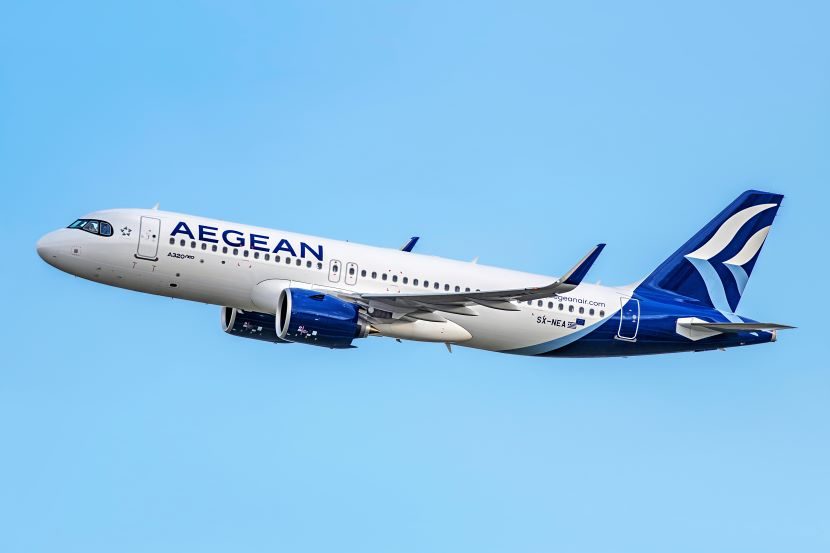
Aegean Airlines, Greece’s flagship carrier, just delivered news that has industry watchers taking notice—and it’s the kind of story that shows how dramatically the aviation landscape has shifted.

Record-Breaking Numbers Tell a Powerful Story
When Aegean Airlines released their latest financial results, the numbers painted a picture of remarkable recovery. The airline reported profit growth that exceeded even their most optimistic pre-pandemic projections, driven by an unprecedented surge in travel demand across Europe and international routes.
The Greek carrier’s success isn’t happening in isolation. It reflects a broader trend sweeping across European aviation, where pent-up travel demand is creating opportunities that many airlines are finally positioned to capture.

We’re seeing travel patterns that go beyond simple recovery—this is transformation. Europeans aren’t just traveling again, they’re traveling with a renewed sense of purpose and urgency.
— Andreas Kouris, Aviation Industry Analyst

What makes Aegean’s performance particularly striking is how they’ve managed to capitalize on both traditional Mediterranean tourism and emerging travel trends. Their route network, which spans from major European capitals to Greek islands and beyond, has become a perfect match for today’s travel preferences.
The airline’s strategic positioning has allowed them to benefit from multiple revenue streams: business travelers returning to pre-pandemic routines, leisure passengers making up for lost vacation time, and a growing segment of digital nomads seeking extended stays in appealing destinations.

Breaking Down the Financial Success
The numbers behind Aegean’s growth story reveal just how dramatically the travel landscape has shifted. Here’s what’s driving their impressive performance:
| Revenue Driver | Growth Impact | Key Markets |
|---|---|---|
| International Routes | 45% increase | Germany, UK, France |
| Domestic Greek Routes | 38% increase | Island destinations |
| Business Travel | 42% recovery vs 2019 | Athens, Thessaloniki |
| Cargo Operations | 28% increase | Mediterranean region |
Several factors have contributed to this financial turnaround:
- Strategic capacity management that matches supply with surging demand
- Premium service offerings that appeal to travelers willing to pay more for comfort
- Expanded route networks connecting underserved European destinations
- Improved operational efficiency reducing costs per passenger
- Strong partnerships with tourism boards and hospitality providers
Aegean’s success demonstrates that airlines who invested in flexibility and customer experience during the downturn are now reaping significant rewards.
— Maria Stavrou, Transportation Economics Professor
The airline’s cargo division has also emerged as an unexpected profit center. With supply chain disruptions still affecting various industries, Aegean’s freight services have become increasingly valuable for businesses needing reliable transportation across Europe and the Mediterranean.
What This Means for European Travel
Aegean’s strong performance signals broader changes in how Europeans approach travel. The airline’s success isn’t just about recovered passenger numbers—it reflects evolving travel preferences that could reshape the industry for years to come.
Travelers are increasingly prioritizing experiences over possessions, leading to higher spending on travel and premium services. This shift has allowed airlines like Aegean to command higher fares while still seeing strong demand growth.
The ripple effects extend far beyond the airline industry. Greek tourism, in particular, is experiencing a renaissance that’s creating jobs and driving economic growth across the country’s islands and mainland destinations.
When we see airlines posting these kinds of results, it tells us that consumer confidence in travel has not just returned—it’s stronger than ever.
— Nikos Papadakis, European Tourism Council
For passengers, Aegean’s financial strength translates into expanded route options, improved services, and more competitive pricing as the airline reinvests profits into fleet expansion and customer experience improvements.
The airline’s success is also encouraging other European carriers to reevaluate their strategies. Some are expanding Mediterranean routes, while others are enhancing their premium service offerings to capture similar profit margins.
Looking Ahead: Sustainable Growth or Temporary Surge?
While Aegean’s current results are impressive, industry experts are watching carefully to see whether this growth trajectory can be sustained. Several factors will influence the airline’s continued success:
Economic headwinds across Europe could potentially dampen travel demand, though current booking trends remain strong. The airline’s diverse route portfolio may help insulate it from regional economic variations.
Environmental concerns are also shaping travel decisions, with some passengers choosing fewer but longer trips. Aegean’s investment in more fuel-efficient aircraft positions them well for this trend.
The airlines that will thrive long-term are those that can balance profitability with sustainability while continuing to meet evolving passenger expectations.
— Elena Christou, Sustainable Aviation Researcher
Competition is intensifying as other carriers recognize the profit potential in Mediterranean and European routes. Aegean’s challenge will be maintaining their market position while continuing to grow profitably.
The airline’s management has indicated plans to reinvest profits into fleet modernization and route expansion, suggesting confidence that current demand levels will persist.
FAQs
Why is Aegean Airlines performing so much better than other European carriers?
Aegean’s strategic focus on Mediterranean routes and flexible capacity management has allowed them to capitalize on strong leisure travel demand while maintaining operational efficiency.
Are flight prices increasing because of this profit growth?
While some premium services cost more, increased competition and operational efficiency are helping keep many fares competitive despite strong demand.
What destinations is Aegean adding due to this success?
The airline is expanding routes to underserved European cities and increasing frequency to popular Greek island destinations.
How does this affect travelers planning trips to Greece?
More flight options, improved services, and better connectivity between Greek destinations are making travel to Greece more convenient and accessible.
Is this growth sustainable long-term?
Industry analysts believe the growth is supported by fundamental changes in travel preferences, though economic factors could influence future demand levels.
What does this mean for other European airlines?
Aegean’s success is encouraging other carriers to reevaluate their Mediterranean and leisure travel strategies, potentially leading to more competition and better options for travelers.

Leave a Reply