
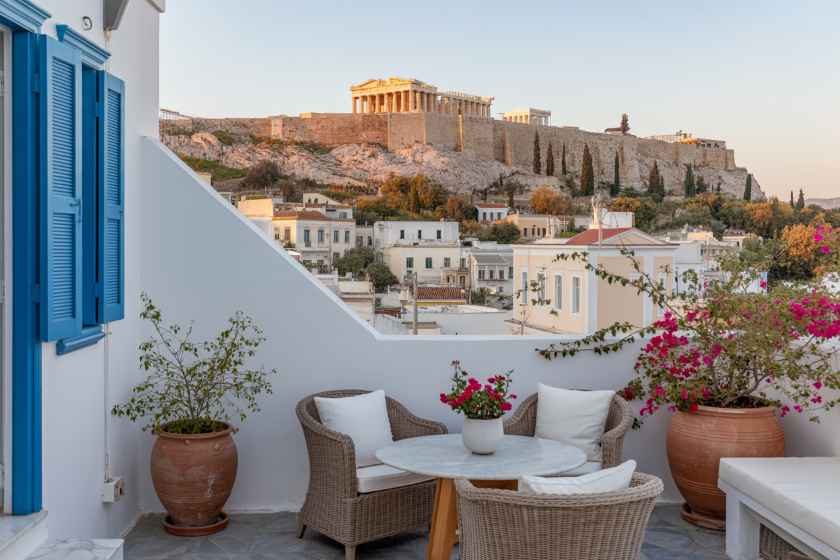
Dimitris wiped the sweat from his brow as he looked out over the pristine waters surrounding Alonissos, watching yet another ferry arrive packed with tourists. “I’ve never seen anything like this,” he told his wife as they prepared their small taverna for another busy evening. “The phones haven’t stopped ringing.”

What Dimitris was witnessing wasn’t just a typical summer surge. As conflicts rage across the Middle East, Greece’s tourism industry finds itself caught in an unexpected crosscurrent—facing uncertainty in some regions while experiencing unprecedented demand in others.
The small island of Alonissos, part of the Northern Sporades, has become an unlikely beneficiary as travelers seek safer, more secluded destinations away from traditional Middle Eastern vacation spots.

How Middle East Tensions Are Reshaping Greek Tourism
The ongoing conflict has created a ripple effect across Mediterranean tourism patterns. While Greece as a whole grapples with the broader implications of regional instability, certain destinations are experiencing a dramatic shift in visitor demographics and booking patterns.
Traditional tourism flows have been disrupted as travelers reconsider their vacation plans. Many who previously visited destinations like Turkey, Lebanon, or Israel are now looking westward to Greek islands that offer similar cultural experiences without the security concerns.

The geopolitical situation has definitely changed traveler behavior. We’re seeing bookings from demographics that typically went elsewhere.
— Elena Papadakis, Greek Tourism Board Representative
This shift isn’t uniform across all Greek destinations. While some areas benefit from increased demand, others face challenges related to economic uncertainty and changing travel patterns from affected regions.
Alonissos: The Unexpected Winner in Tourism’s New Landscape
Alonissos, once considered a quiet backwater compared to flashier destinations like Mykonos or Santorini, has emerged as a standout beneficiary. The island’s remote location and pristine natural environment suddenly align perfectly with what modern travelers are seeking.
Here’s what’s driving the surge in Alonissos tourism:
- Safety perception: Remote location feels secure from regional conflicts
- Authentic experience: Less commercialized than mainstream Greek islands
- Natural beauty: Marine park status attracts eco-conscious travelers
- Accessibility improvements: Better ferry connections established recently
- Word-of-mouth marketing: Social media buzz from satisfied visitors
The island’s accommodation capacity has been stretched to its limits. Small family-run hotels that typically struggled to fill rooms are now booked solid through the season.
| Metric | 2022 | 2023 | 2024 (Projected) |
|---|---|---|---|
| Hotel Occupancy Rate | 68% | 78% | 95% |
| Average Daily Rate (€) | 85 | 95 | 120 |
| Ferry Passengers | 45,000 | 52,000 | 78,000 |
| Restaurant Revenue Growth | -2% | 12% | 35% |
We’ve had to turn away guests for the first time in twenty years. It’s a good problem to have, but we’re scrambling to meet demand.
— Nikos Stavros, Local Hotel Owner
The Broader Impact on Greek Tourism Strategy
While Alonissos celebrates its newfound popularity, Greece’s tourism authorities are carefully monitoring the situation’s broader implications. The country’s tourism industry, which contributes roughly 25% of GDP, must balance opportunity with stability.
Some regions are experiencing challenges as traditional visitor patterns shift. Areas that relied heavily on Middle Eastern tourists or business travelers are seeing decreased activity, creating an uneven recovery landscape.
The Greek government has responded by:
- Increasing marketing budgets for lesser-known destinations
- Improving infrastructure to handle unexpected demand surges
- Developing contingency plans for various conflict scenarios
- Strengthening partnerships with European tour operators
Tourism officials recognize that current patterns may be temporary, making strategic planning more complex than ever.
What This Means for Travelers and Local Communities
For travelers, the current situation presents both opportunities and challenges. Destinations like Alonissos offer authentic experiences at premium prices, while traditional hotspots may have more availability but less predictable atmospheres.
Local communities are adapting rapidly to changing circumstances. On Alonissos, residents are investing in property improvements and expanding services, but also worrying about preserving their island’s character amid rapid growth.
We want to welcome visitors, but we also need to protect what makes our island special. It’s a delicate balance.
— Maria Kostas, Alonissos Mayor
The environmental impact is also a concern. The National Marine Park of Alonissos, home to the endangered Mediterranean monk seal, faces increased pressure from tourism activities.
Economic benefits are undeniable, however. Local unemployment has dropped significantly, and young people who previously left for Athens are returning to work in the expanding tourism sector.
Looking Ahead: Sustainability Meets Opportunity
The challenge now lies in managing growth sustainably. Alonissos authorities are implementing visitor caps and promoting off-season tourism to distribute impact more evenly throughout the year.
Meanwhile, the broader Greek tourism industry watches carefully as geopolitical situations evolve. The current boom in alternative destinations could become permanent if travelers develop lasting preferences for smaller, safer locations.
This crisis has shown us the importance of diversifying our tourism offerings. We can’t rely solely on the big-name islands anymore.
— Andreas Michalopoulos, Tourism Industry Analyst
For now, places like Alonissos are making the most of their moment in the spotlight, hoping to build lasting relationships with new visitors who might return even after regional tensions ease.
FAQs
How has the Middle East conflict specifically affected Greek tourism?
It has redirected tourists from Middle Eastern destinations to Greek islands, particularly benefiting smaller, less-known locations like Alonissos while creating uncertainty in traditional tourism patterns.
Why is Alonissos experiencing such high demand?
The island offers a safe, authentic Greek experience away from crowds, plus its marine park status appeals to eco-conscious travelers seeking pristine natural environments.
Are prices increasing on Greek islands due to this demand?
Yes, particularly on islands like Alonissos where demand has surged unexpectedly, with hotel rates increasing by roughly 25% compared to previous years.
Is this tourism boom expected to last?
It’s uncertain and depends on regional stability, but many Greek destinations are working to build lasting relationships with new visitor demographics to maintain growth.
What are the environmental concerns with increased tourism?
Areas like Alonissos’ marine park face pressure from increased visitors, prompting authorities to implement visitor caps and promote sustainable tourism practices.
Should travelers book Greek islands in advance now?
Yes, especially for lesser-known destinations experiencing sudden popularity, as accommodation availability has become much more limited than in previous years.

Leave a Reply