
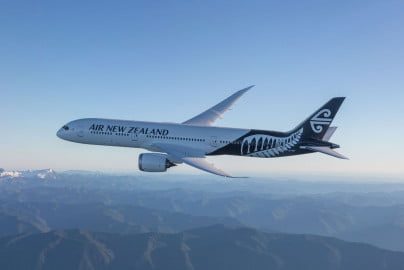
Trevor had already packed his bags for what was supposed to be his dream retirement trip to New Zealand when his phone buzzed with an email notification. “Flight cancellation – immediate action required,” read the subject line from Air New Zealand. His heart sank as he realized his carefully planned three-week adventure across the South Island was now in jeopardy.

“I’ve been saving for this trip for five years,” Trevor told his wife Margaret, staring at his phone in disbelief. “How can they just cancel like this?”
Unfortunately, Trevor’s story is becoming all too common as Air New Zealand faces one of its most challenging periods in recent history, forcing the airline to make drastic operational changes that will affect thousands of travelers worldwide.
The Perfect Storm Hitting Air New Zealand
Air New Zealand has announced plans to cancel over 1,000 flights throughout 2026, marking a significant operational reduction that stems from multiple crisis factors converging simultaneously. The airline is grappling with soaring fuel costs that have increased by nearly 40% compared to pre-pandemic levels, while disrupted energy supply routes have created unprecedented logistical challenges.
The financial struggles facing New Zealand’s flag carrier run deeper than surface-level operational issues. Global supply chain disruptions, combined with fluctuating demand patterns and increased operational costs, have created a challenging environment that’s forcing airlines worldwide to reassess their capacity and route networks.
The aviation industry is facing headwinds unlike anything we’ve seen in decades. Airlines are having to make tough decisions to ensure long-term sustainability.
— Rebecca Chen, Aviation Industry Analyst

What makes this situation particularly challenging for travelers is the timing. Many passengers have already made significant financial commitments, booking accommodations, tours, and connecting flights based on their original Air New Zealand itineraries.
What Travelers Need to Know Right Now
If you’re planning to travel with Air New Zealand or have existing bookings, here’s the critical information you need to understand about the upcoming changes:

Affected Routes and Timeframes:
- Domestic New Zealand routes will see the heaviest impact, with approximately 60% of cancellations
- Trans-Pacific routes to North America face significant reductions
- Asian routes, particularly to Japan and Singapore, will experience moderate cuts
- European connections through partner airlines may see delays in rebooking options
- Peak season flights (December-February) are prioritized for retention
The airline has committed to automatic rebooking for affected passengers, but the reality is more complex than it sounds. With reduced capacity, many travelers are finding themselves rescheduled to dates weeks or even months from their original plans.
| Route Type | Cancellation Impact | Rebooking Timeline | Compensation Options |
|---|---|---|---|
| Domestic NZ | High (60%) | 2-4 weeks | Full refund or credit |
| Trans-Pacific | Moderate (35%) | 1-3 weeks | Partner airline transfer |
| Asian Routes | Low (25%) | 1-2 weeks | Schedule adjustment |
| European Connections | Variable | 3-6 weeks | Case-by-case basis |
We’re working around the clock to minimize disruption to our passengers, but we need travelers to understand that flexibility will be essential during this transition period.
— James Morrison, Air New Zealand Customer Service Director
How This Impacts Your Travel Plans
The ripple effects of these cancellations extend far beyond just changing your flight dates. Travelers are discovering that hotel bookings, car rentals, and tour packages are all affected when flight schedules shift dramatically.
Many travel insurance policies don’t cover airline operational decisions, leaving passengers potentially responsible for change fees and additional costs associated with rebooking accommodations and activities. This has created a secondary crisis for travelers who thought they were protected.
Financial Impact on Travelers:
- Hotel cancellation fees for non-refundable bookings
- Tour package rescheduling costs
- Car rental modification charges
- Lost wages for extended or shortened trips
- Additional accommodation costs during travel delays
The hidden costs of flight cancellations can easily double a traveler’s unexpected expenses. It’s not just about the airfare anymore.
— Patricia Williams, Travel Rights Advocate
Business travelers face particularly acute challenges, as corporate travel policies often have strict guidelines about rebooking timeframes and approved airlines. Some companies are scrambling to revise their travel policies to accommodate the ongoing disruptions.
Your Options and Next Steps
If you’re affected by these cancellations, you have several paths forward, though none are without complications. Air New Zealand is offering full refunds for canceled flights, but many travelers are finding that rebooking with alternative airlines costs significantly more than their original tickets.
The airline is also providing travel credits valid for up to two years, which might be attractive if you’re flexible about when you travel. However, these credits come with restrictions that may limit your rebooking options during peak travel periods.
For travelers with immediate travel needs, partner airlines are offering some accommodation, but availability is limited and often requires significant schedule adjustments. Some passengers are finding success by being flexible with their departure airports or accepting longer layovers.
The key is to act quickly and be prepared with alternative dates. The passengers who reach out first are getting the best rebooking options.
— Michael Torres, Travel Agent
Travel experts recommend documenting all additional expenses related to flight changes, as there may be opportunities for compensation through credit card travel protection or future airline goodwill gestures.
Looking Ahead: What This Means for Future Travel
The challenges facing Air New Zealand reflect broader industry trends that travelers should expect to continue throughout 2026 and potentially beyond. Fuel price volatility, supply chain disruptions, and operational staffing challenges are affecting airlines globally.
This situation serves as a stark reminder of the importance of flexible travel planning and comprehensive travel insurance. Travelers are increasingly learning that the cheapest ticket isn’t always the best value when operational reliability becomes a factor.
For those still planning to visit New Zealand, consider building extra buffer time into your itineraries and having backup plans for critical travel dates. The country remains an incredible destination, but getting there may require more patience and flexibility than in previous years.
FAQs
Will I get a full refund if my Air New Zealand flight is canceled?
Yes, Air New Zealand is offering full refunds for all canceled flights, though processing may take 2-4 weeks.
Can I rebook with a different airline at no extra cost?
Air New Zealand will help arrange partner airline bookings, but you may need to pay fare differences for comparable service levels.
How much advance notice will I get if my flight is canceled?
The airline aims to provide at least 14 days notice, though some cancellations may occur with shorter timeframes due to operational needs.
Are connecting flights with other airlines affected?
If Air New Zealand issued your entire ticket, they’re responsible for rebooking all segments, but separate tickets may require individual handling.
Should I buy travel insurance for future Air New Zealand bookings?
Given the ongoing operational challenges, comprehensive travel insurance with airline failure coverage is highly recommended for any travel plans.
Will this affect Air New Zealand’s frequent flyer program?
Status credits and points from canceled flights will be honored, and the airline is extending status validity periods for affected members.

Leave a Reply