
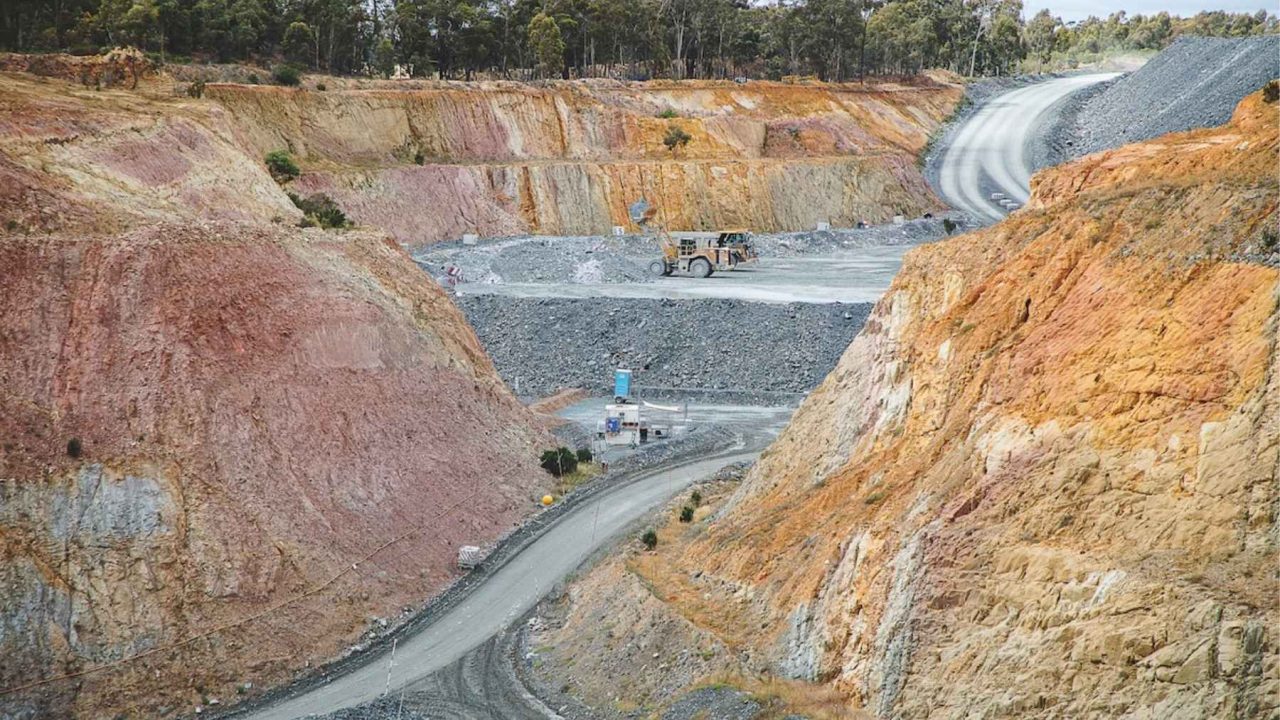
Geologist Ewan McBride crouched beside a rocky outcrop in Victoria’s Maldon region, running his weathered fingers across what looked like ordinary stone. “This isn’t gold,” he told his field assistant with a grin, “but it might be worth more than gold in ten years.” The metallic gleam catching the afternoon sun wasn’t the precious metal that built Victoria’s reputation—it was antimony, and it was about to change everything.

That conversation happened just two years ago. Today, McBride’s prediction is looking remarkably prescient as Victoria emerges as an unexpected powerhouse in the global antimony market, contributing 5% of the world’s supply of this critical mineral.
While tourists still flock to Ballarat and Bendigo to learn about the gold rush that shaped Australia’s destiny, a quieter revolution is unfolding across Victoria’s mining landscape. The same geological forces that deposited gold throughout the state also left behind substantial reserves of antimony—a silvery metalloid that’s become essential for everything from flame retardants to battery technology.

Why Victoria’s Antimony Boom Matters Now
The timing of Victoria’s antimony emergence couldn’t be better. Global supply chains have been disrupted, and countries worldwide are scrambling to secure reliable sources of critical minerals. China has historically dominated antimony production, controlling roughly 60% of global output, but geopolitical tensions and supply chain vulnerabilities have created urgent demand for alternative sources.
Victoria’s antimony deposits are scattered across familiar gold mining regions, from the Bendigo zone to areas around Ballarat and extending into the state’s central highlands. What makes this particularly fascinating is that many of these antimony-rich areas were overlooked during the original gold rush because miners simply didn’t know what they were looking at.
“We’re literally walking over resources that previous generations of miners passed by. The technology and market demand just wasn’t there 150 years ago, but now these deposits are incredibly valuable.”
— Dr. Patricia Chen, Mining Industry Analyst

The state’s largest antimony operation, the Costerfield mine northeast of Melbourne, has become a case study in modern mining efficiency. Unlike the labor-intensive gold mining of the 1850s, today’s antimony extraction relies on sophisticated processing techniques and automated systems.
The Numbers Behind Victoria’s Mining Renaissance
Victoria’s antimony production has grown dramatically over the past five years, transforming the state from a minor player to a significant contributor in the global market. Here’s how the state’s antimony output compares to other major producers:

| Country/Region | Annual Production (tonnes) | Global Market Share |
|---|---|---|
| China | 60,000 | 60% |
| Russia | 18,000 | 18% |
| Tajikistan | 8,000 | 8% |
| Victoria, Australia | 5,000 | 5% |
| Myanmar | 3,000 | 3% |
| Other regions | 6,000 | 6% |
Key factors driving Victoria’s antimony success include:
- Advanced geological mapping revealing previously unknown deposits
- Stable political environment attracting international investment
- Existing mining infrastructure from gold operations
- Skilled workforce with generations of mining experience
- Proximity to Asian markets demanding antimony products
- Environmental regulations ensuring sustainable extraction practices
“Victoria offers something rare in today’s mining world—political stability, skilled workers, and rich deposits all in one package. That’s why we’re seeing major international players establish operations here.”
— James Morrison, Victorian Mining Council
The economic impact extends far beyond the mines themselves. Each antimony mining job supports approximately 2.5 additional jobs in related industries, from equipment manufacturing to transportation and processing services.
What This Means for Communities and Workers
The antimony boom is breathing new life into regional Victorian communities that have struggled since traditional industries declined. Towns like Maldon and Heathcote, which have relied heavily on tourism related to their gold rush heritage, are now seeing young families return as mining jobs become available again.
Unlike the chaotic gold rush era, modern antimony mining operates under strict environmental and safety regulations. Mining companies must demonstrate sustainable practices and provide comprehensive rehabilitation plans for extraction sites.
Local employment has been a major beneficiary. The average antimony mine worker in Victoria earns between $85,000 and $120,000 annually, significantly higher than median regional incomes. Many positions require specialized training, leading to partnerships between mining companies and TAFE institutions to develop antimony-specific skills programs.
“My grandfather worked the gold mines, and now I’m working the same hills for antimony. It’s like history repeating itself, but with better safety gear and environmental protections.”
— Marcus Thompson, Costerfield Mine Operator
The antimony industry has also attracted significant research and development investment. Universities across Victoria are studying antimony applications in renewable energy storage, creating potential spin-off industries that could further diversify the state’s economy.
However, challenges remain. Antimony prices can be volatile, influenced by international politics and changing technology demands. Communities are working to ensure they don’t become overly dependent on a single commodity, learning lessons from previous mining booms and busts.
Environmental groups have generally been supportive of antimony mining, particularly because many operations can utilize existing disturbed land from historical gold mining. This approach minimizes new environmental impact while maximizing economic benefit from previously mined areas.
“When done responsibly, antimony mining can actually help rehabilitate areas that were damaged by historical mining practices. It’s a win-win situation.”
— Dr. Rebecca Walsh, Environmental Mining Specialist
Looking ahead, Victoria’s antimony industry appears positioned for continued growth. Global demand for antimony is expected to increase by 15-20% over the next decade, driven primarily by renewable energy storage needs and advanced manufacturing applications.
The state government has recognized this opportunity, streamlining approval processes for antimony projects while maintaining environmental standards. New geological surveys are identifying additional deposits, suggesting Victoria’s 5% global market share could grow even larger.
For a state built on gold, antimony represents more than just another mining opportunity—it’s proof that Victoria’s geological wealth extends far beyond what the original forty-niners ever imagined. The picks and shovels may have been replaced by sophisticated machinery, but the spirit of discovery that drove the 1850s gold rush lives on in today’s antimony revolution.
FAQs
What exactly is antimony and why is it valuable?
Antimony is a silvery metalloid used in flame retardants, battery technology, and electronics manufacturing. Its value comes from increasing demand for these applications, especially in renewable energy systems.
How does antimony mining differ from gold mining?
Modern antimony mining uses sophisticated processing techniques and automated systems, unlike the labor-intensive methods of historical gold mining. It also operates under much stricter environmental and safety regulations.
Will Victoria’s antimony boom last?
Global demand for antimony is projected to grow 15-20% over the next decade, primarily driven by renewable energy storage needs, suggesting sustained demand for Victorian production.
Are there environmental concerns with antimony mining?
Environmental groups generally support responsible antimony mining, especially when it utilizes previously disturbed land from historical mining operations, minimizing new environmental impact.
How many jobs has the antimony industry created in Victoria?
Each direct antimony mining job supports approximately 2.5 additional jobs in related industries, with mine workers earning $85,000-$120,000 annually on average.
Could Victoria increase its global market share beyond 5%?
Yes, new geological surveys are identifying additional antimony deposits across the state, and the government is streamlining approval processes, suggesting potential for growth in market share.

Leave a Reply