
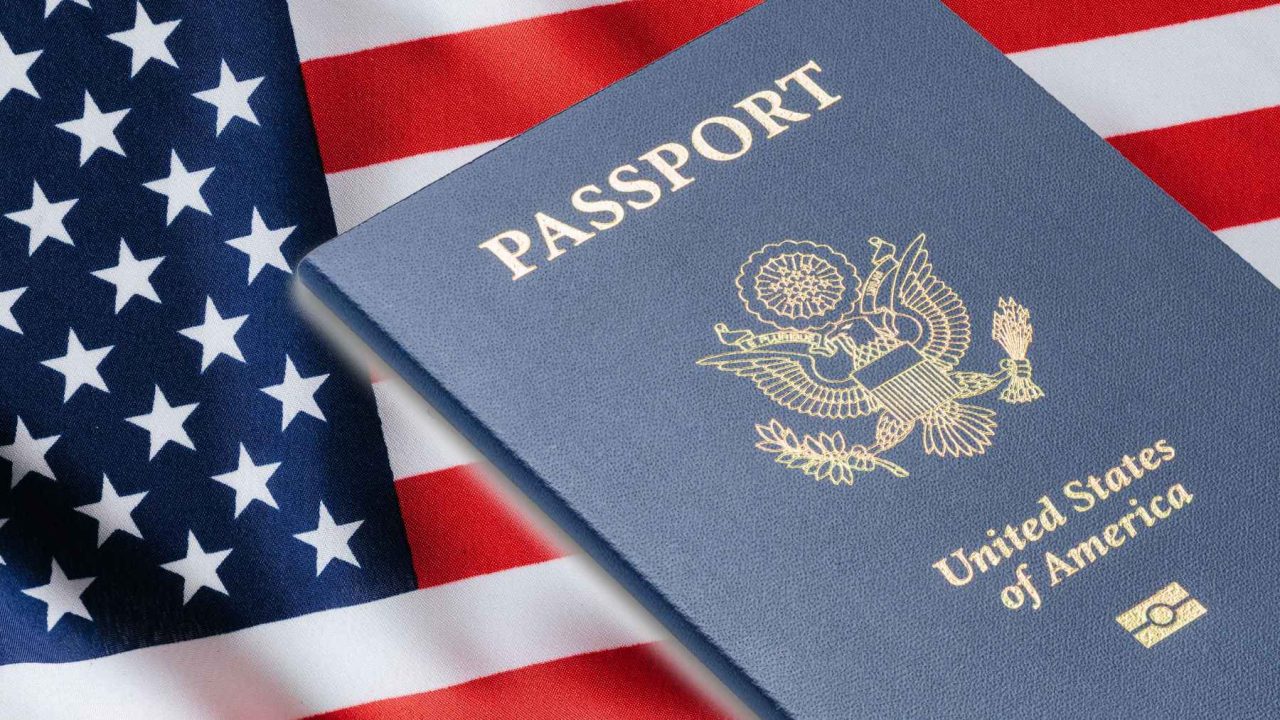
Garrett Morrison had been looking forward to his European business trip for months. The tech consultant from Portland had renewed his passport by mail six weeks earlier, following what he thought were standard procedures. But when he opened the envelope from the State Department last Tuesday, his heart sank. Instead of his new passport, he found a rejection letter and his old passport – still expired and useless for travel.

“I couldn’t believe it,” Morrison recalls. “I thought I’d done everything right, but apparently I made one critical mistake that cost me my trip and thousands in non-refundable bookings.”
Morrison’s story is becoming increasingly common as the U.S. State Department enforces a strict new policy that’s catching thousands of Americans off guard. The rule is simple but unforgiving: if you renew your passport by mail and fail to return your previous passport, your application will be automatically rejected – no exceptions, no second chances.

The New Reality of Passport Renewals
This policy shift represents a significant change in how passport renewals are processed. Previously, the State Department had some flexibility in handling incomplete applications. Now, the system operates with zero tolerance for missing documentation.
The requirement isn’t entirely new, but the automatic rejection certainly is. For decades, applicants were supposed to include their most recent passport with renewal applications, but enforcement was inconsistent. Some people received their new passports even when they forgot to include the old one. Others got follow-up requests for missing documents.

The automated system doesn’t distinguish between an honest mistake and intentional non-compliance. If the old passport isn’t in the envelope, the application gets rejected immediately.
— David Chen, Immigration Attorney

The State Department implemented this stricter approach to combat passport fraud and ensure proper tracking of all issued documents. Every passport contains security features and chips that must be properly decommissioned when a new one is issued.
What You Need to Know About the Requirements
Understanding the exact requirements can save you weeks of delays and hundreds of dollars in expedited processing fees. Here’s what the State Department now requires for mail-in renewals:

- Your most recent U.S. passport (the actual booklet, not a copy)
- Completed Form DS-82
- One passport photo meeting current specifications
- Payment for applicable fees
- Legal documentation for any name changes
The following table shows current processing times and fees:
| Service Type | Processing Time | Fee |
| Routine Service | 6-8 weeks | $130 |
| Expedited Service | 2-3 weeks | $190 + $60 expedite fee |
| Emergency Service | 1-3 business days | $190 + additional fees |
But here’s what many people don’t realize: if your application gets rejected for any reason, you’re starting completely over. Those processing times reset to day one, and you’ll need to pay all fees again if you want expedited service.
We’re seeing people who thought they had plenty of time suddenly scrambling to get emergency passports at the last minute. The financial impact can be devastating.
— Lisa Rodriguez, Travel Industry Consultant
Who Gets Hit Hardest by These Changes
The automatic rejection policy affects different groups in varying ways, but some demographics are particularly vulnerable to these costly mistakes.
Business travelers face the steepest consequences. Unlike vacation travelers who might be able to postpone trips, business commitments often can’t be rescheduled. Missing an international conference or client meeting can have career implications that extend far beyond the immediate inconvenience.
Families planning international vacations also struggle with the new reality. When one family member’s passport renewal gets rejected, it can derail entire family trips. The emotional toll on children who’ve been anticipating a special vacation adds another layer of stress to an already frustrating situation.
Military families and expatriates returning to the U.S. face unique challenges. They often renew passports from overseas locations where getting help from U.S. passport agencies becomes exponentially more complicated and expensive.
The policy doesn’t account for special circumstances. Whether you’re deployed overseas or dealing with a family emergency, the system treats every application the same way.
— Michael Torres, Veterans Affairs Advocate
Senior citizens represent another vulnerable group. Many grew up in an era when government processes allowed for more human discretion and second chances. The rigid automation can feel particularly harsh to older Americans who remember when a phone call could resolve bureaucratic hiccups.
Protecting Yourself from Costly Mistakes
Prevention remains your best defense against passport renewal rejections. The State Department won’t bend rules, but you can create systems to ensure you don’t become another casualty of the automated process.
Start by creating a physical checklist and checking off each item as you place it in your envelope. This might seem excessive, but the cost of missing something far outweighs the few minutes spent double-checking.
Take photos of everything before sealing your envelope. If questions arise later, you’ll have proof of what you submitted. This documentation can also help if items get lost in mail processing.
Consider using certified mail with tracking for your application. While it costs extra, the ability to confirm delivery can provide peace of mind and evidence if problems occur.
The small additional cost of tracking and insurance is nothing compared to the price of having to start over or missing important travel plans.
— Jennifer Walsh, Consumer Protection Attorney
For high-stakes travel, many experts now recommend applying for renewals much earlier than the standard recommendations. Instead of the typical 8-10 week buffer, consider allowing 12-16 weeks for important trips.
If you discover you’ve made an error after mailing your application, contact the State Department immediately. While they won’t stop the automatic rejection, you can sometimes expedite the corrected application to minimize delays.
FAQs
What happens to my old passport if my renewal gets rejected?
The State Department returns your old passport along with the rejection notice, but it remains expired and invalid for travel.
Can I appeal an automatic rejection?
No, these rejections cannot be appealed. You must submit a new, complete application with all required documents.
Will I get my fees refunded if my application is rejected?
No, passport fees are non-refundable even when applications are rejected for incomplete documentation.
What if I lost my old passport?
You cannot use mail-in renewal if you don’t have your previous passport. You must apply in person using Form DS-11 and provide additional documentation.
How can I track my passport application status?
Use the State Department’s online tracking system at travel.state.gov with your last name, date of birth, and last four digits of your Social Security number.
Is there any way to expedite a rejected application?
Yes, but you’re treated as a completely new applicant and must pay all expedite fees again, with processing times starting from scratch.

Leave a Reply