
Ranger Callum McKenzie crouched beside the weathered fence post, running his fingers along the deep grooves carved into the wood. “See these marks?” he asked his companion, pointing to the damage. “Twenty years ago, this was solid timber. Now look at it.”
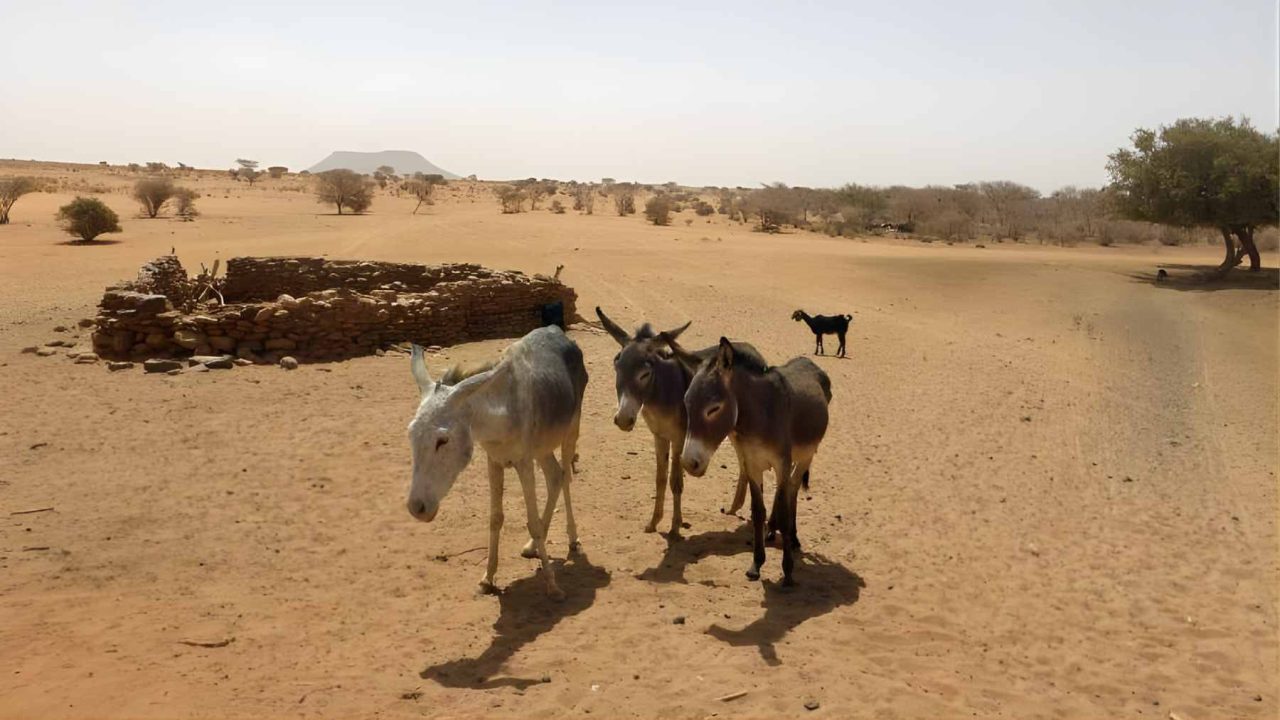
The fence post told a story that’s playing out across Australia’s vast rural landscape – one where thousands of feral donkeys are literally eating the country’s agricultural infrastructure into the ground. But what’s happening next might surprise you: Australia is turning to an unlikely four-legged army to solve this growing crisis.
McKenzie has witnessed firsthand how feral donkeys have transformed from a manageable nuisance into an ecological and economic disaster that’s forcing farmers to make impossible choices about their land and livelihoods.
Why Australia’s Donkey Problem Has Reached Breaking Point
Across northern Australia, an estimated 1.6 million feral donkeys are wreaking havoc on farms, water sources, and native ecosystems. These aren’t the gentle donkeys you might picture in petting zoos – they’re hardy survivors that have multiplied exponentially since European settlers first brought them to the continent in the 1860s.
The numbers paint a stark picture. Feral donkey populations can double every four years under ideal conditions, and Australia’s vast, sparsely populated regions provide exactly those conditions.
“We’re not dealing with a few stray animals anymore. We’re facing an ecological invasion that’s costing farmers millions in damaged infrastructure and lost water access every year.”
— Dr. Rebecca Chen, Wildlife Management Specialist

The donkeys destroy fencing, contaminate water sources, compete with livestock for food, and cause serious erosion problems. But traditional culling methods – helicopter shooting and ground-based hunting – have proven expensive and often ineffective in Australia’s remote terrain.
That’s where an innovative solution comes in: specially trained dogs are now being deployed to help manage donkey populations while simultaneously protecting the resources that farmers desperately need.

How Dogs Are Becoming Australia’s Secret Weapon
The program represents a dramatic shift in wildlife management strategy. Instead of relying solely on lethal control methods, conservationists and farmers are partnering to use livestock guardian dogs and specially trained herding dogs to manage donkey movements and protect critical areas.
Here’s how the program works across different regions:
| Dog Type | Primary Role | Coverage Area | Success Rate |
|---|---|---|---|
| Livestock Guardian Dogs | Protect water sources and crops | Up to 500 acres per dog | 78% reduction in donkey damage |
| Border Collies | Herd donkeys away from sensitive areas | Variable based on terrain | 85% effective in open grassland |
| Kelpie-Cross Breeds | Long-distance tracking and deterrence | Up to 1,000 acres per team | 72% success in remote areas |
The dogs serve multiple purposes beyond just donkey management. They’re protecting water points that are critical for both livestock and native wildlife, reducing the need for expensive fencing repairs, and helping farmers maintain productive grazing areas.
“These dogs don’t just chase donkeys away – they create a psychological barrier. Donkeys learn to avoid areas where the dogs patrol, which gives us back control over our own land.”
— Marcus Thompson, Cattle Rancher
The training process is intensive. Dogs learn to distinguish between different types of animals, understand property boundaries, and work independently for hours at a time. Some are even equipped with GPS collars so farmers can monitor their movements and effectiveness remotely.
The Real Impact on Australian Farms and Communities
For farming families across northern Australia, this isn’t just about animal management – it’s about survival. The feral donkey crisis has pushed some operations to the brink of bankruptcy.
Water access represents the most critical issue. Donkeys can consume up to 20 liters of water per day and often damage pumping equipment and contaminate sources that farmers rely on for their livestock.
The economic impact breaks down like this:
- Average annual fence repair costs: $12,000-$18,000 per property
- Water infrastructure damage: $8,000-$25,000 per incident
- Lost grazing capacity: 15-30% reduction in carrying capacity
- Emergency water supply costs during contamination events: $3,000-$8,000 per week
But the dog program is showing measurable results. Early adopters report significant improvements in their ability to maintain productive operations.
“Before we got our guardian dogs, we were spending every weekend fixing fences and cleaning out water troughs. Now we can focus on actually running cattle instead of just managing damage.”
— Janet Morrison, Mixed Farming Operation
The program also addresses animal welfare concerns that have surrounded traditional culling methods. While targeted culling continues where necessary, the dogs provide a more sustainable long-term solution that doesn’t rely solely on lethal control.
What This Means for Australia’s Agricultural Future
The success of dog-assisted donkey management could revolutionize how Australia handles other invasive species problems. The country faces similar challenges with feral pigs, goats, and camels across different regions.
Scaling up the program faces several challenges, though. Training quality dogs takes time and expertise, and not every property has the right conditions for dog-based management. The initial investment can be substantial – a trained livestock guardian dog can cost between $2,000 and $5,000, plus ongoing care and maintenance.
However, government support is growing. Several state programs now offer subsidies for farmers who want to participate in the dog management initiative, recognizing both the economic and environmental benefits.
“This represents a paradigm shift toward more sustainable wildlife management. Instead of just reacting to problems, we’re creating systems that prevent them while supporting rural livelihoods.”
— Professor Alan Davies, Agricultural Policy Institute
The environmental benefits extend beyond just protecting farms. By keeping donkeys away from sensitive waterways and native vegetation areas, the dogs help preserve ecosystems that support threatened native species.
Climate change adds urgency to the program. As Australia faces more frequent droughts and extreme weather events, protecting water resources becomes even more critical for both agricultural productivity and ecosystem health.
For farmers like McKenzie, who started this story examining damaged fence posts, the dog program represents hope for a more sustainable future. His property now employs three guardian dogs, and donkey-related damage has dropped by more than 80% over the past two years.
The success of Australia’s innovative approach could serve as a model for other countries facing similar invasive species challenges, proving that sometimes the best solutions combine traditional methods with creative new approaches.
FAQs
How many feral donkeys are currently in Australia?
Current estimates suggest around 1.6 million feral donkeys across northern and central Australia, with populations growing rapidly.
Are the dogs safe around other farm animals?
Yes, the dogs receive specialized training to distinguish between donkeys and livestock like cattle or sheep, protecting rather than harassing farm animals.
How much does it cost to get a trained donkey management dog?
Trained dogs typically cost between $2,000-$5,000, though some government programs offer subsidies to eligible farmers.
Do the dogs actually kill the donkeys?
No, the dogs primarily serve as deterrents, using their presence and barking to keep donkeys away from protected areas rather than harming them.
How long does it take to train these specialized dogs?
Training typically takes 12-18 months, including basic obedience, livestock protection skills, and property-specific boundary training.
Can this method work in all parts of Australia?
The program works best in open grassland and semi-arid regions, but may be less effective in heavily forested or extremely remote areas.

Leave a Reply